Diabetic retinopathy is a common but serious eye condition that affects people living with diabetes. It develops when high blood sugar levels damage the small blood vessels in the retina, the light-sensitive tissue at the back of the eye responsible for clear vision. Over time, these damaged vessels may leak fluid or blood, causing swelling in the retina and affecting visual clarity. If not diagnosed and treated early, diabetic retinopathy can lead to progressive vision problems and, in severe cases, permanent vision loss.
Dr. Charu Chaudhary is an experienced retina specialist with more than 15 years of expertise in diagnosing and managing complex retinal diseases. Practicing at Medanta Hospital in Lucknow, she provides advanced evaluation and treatment for diabetic retinopathy using modern diagnostic tools and treatment techniques such as retinal laser therapy, eye injections, and retinal surgery when required. Early consultation with a retina specialist can help detect the condition in its early stages and prevent long-term complications.
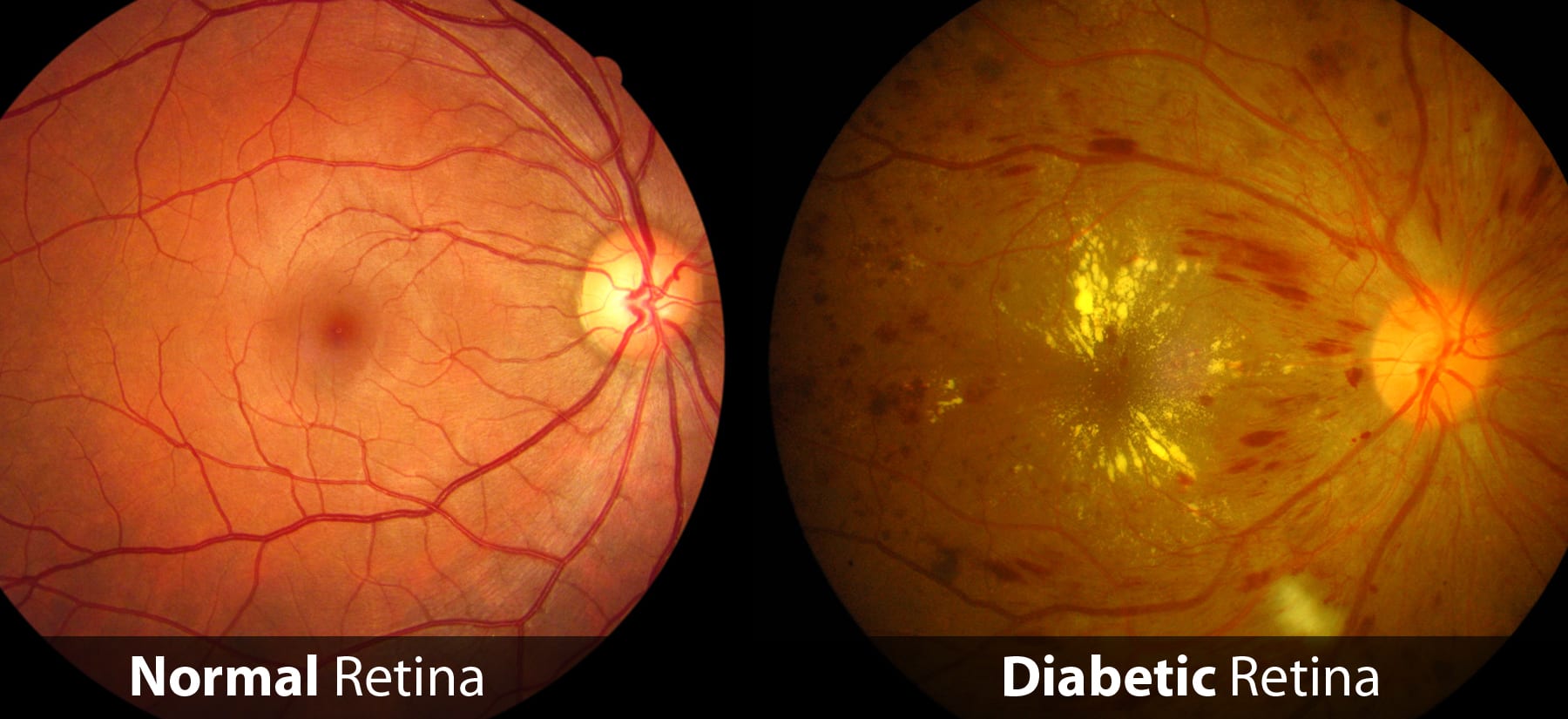
Diabetic retinopathy is a complication of diabetes that occurs when prolonged high blood sugar levels damage the delicate blood vessels supplying the retina. The retina plays an essential role in vision by capturing light and sending visual signals to the brain. When these blood vessels weaken, they may swell, leak fluid, or become blocked, interfering with normal retinal function. In some cases, abnormal new blood vessels may form, which can bleed inside the eye and cause serious vision problems.
The condition typically progresses through different stages. In the early stage, known as non-proliferative diabetic retinopathy, small changes occur in the retinal blood vessels and may not immediately affect vision. In more advanced stages, called proliferative diabetic retinopathy, abnormal blood vessel growth can lead to complications such as bleeding in the eye or retinal detachment. Regular eye examinations are crucial for early detection, as the disease may develop silently without noticeable symptoms in the beginning.
Symptoms may develop slowly. Common signs include blurred vision, floaters, dark spots, or difficulty seeing at night. However, some patients experience no symptoms initially. Because of this, routine retinal screening becomes important. Early detection allows timely treatment and better outcomes.
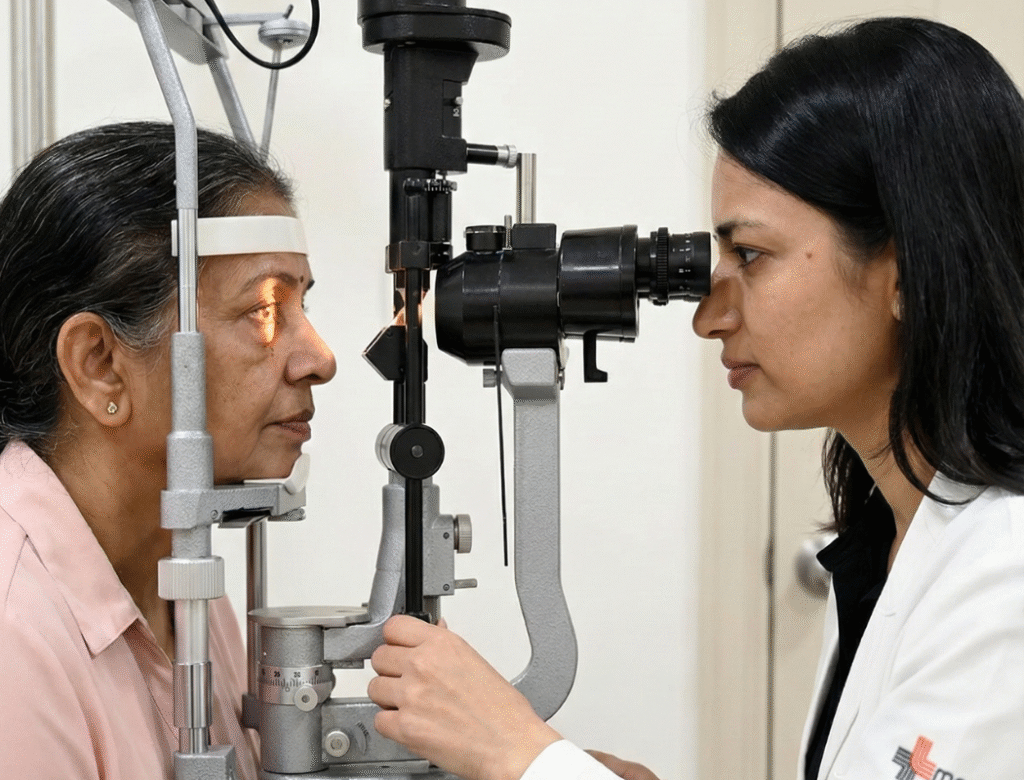
Early diagnosis of diabetic retinopathy is essential for preventing vision loss and managing the condition effectively. A detailed eye examination performed by a retina specialist allows doctors to detect even the earliest signs of retinal damage. During the examination, eye drops are used to dilate the pupils so that the retina can be carefully examined for abnormalities such as swelling, leaking blood vessels, or bleeding.
Advanced diagnostic tests are often used to obtain detailed images of the retina. Optical Coherence Tomography (OCT) helps detect swelling or fluid accumulation in the retina, while fundus photography captures high-resolution images that allow doctors to monitor disease progression. In some cases, fluorescein angiography may be recommended to evaluate blood flow in the retinal vessels and identify areas of leakage. These tests help determine the severity of the condition and guide the retina specialist in selecting the most appropriate treatment plan.
Treatment for diabetic retinopathy depends on the stage of the disease and the extent of retinal damage. In the early stages, careful monitoring and improved control of blood sugar levels may help slow the progression of the disease. However, when retinal swelling, abnormal blood vessel growth, or bleeding occurs, medical treatment becomes necessary to protect vision and prevent further damage.
One of the most common treatments is retinal laser therapy, which helps seal leaking blood vessels and prevent abnormal vessel growth. Intravitreal injections are another effective treatment used to reduce retinal swelling and block the signals that stimulate abnormal blood vessel formation. In advanced cases, a surgical procedure called vitrectomy may be required to remove blood or scar tissue from inside the eye. These treatment options have significantly improved the ability to preserve vision when diabetic retinopathy is diagnosed early.
Diabetic retinopathy is a complex condition that requires expert evaluation and specialized treatment. A retina specialist has advanced training in diagnosing and managing diseases that affect the retina and vitreous. These specialists use sophisticated imaging technology and specialized treatment techniques to detect subtle changes in the retina and provide targeted treatment before the condition becomes severe.
Receiving care from a specialized retina doctor ensures that patients benefit from the latest advancements in retinal medicine. Modern treatments such as retinal lasers, intravitreal injections, and advanced retinal surgeries require precision and expertise to achieve the best outcomes. In addition, regular monitoring by a retina specialist helps detect any changes in the disease early, allowing for timely intervention. Specialized retina care plays an important role in preserving vision and improving the long-term eye health of patients with diabetes.
Maintaining good control of diabetes is one of the most effective ways to reduce the risk of diabetic retinopathy and protect eye health. High blood sugar levels can damage the small blood vessels in the retina, leading to swelling, leakage, and impaired vision. By managing blood glucose levels through proper diet, medication, and lifestyle changes, patients can significantly lower the chances of developing diabetic eye complications.
In addition to controlling blood sugar, it is important to manage other health factors such as blood pressure and cholesterol levels. Regular exercise, a balanced diet, and routine medical checkups help support overall health and reduce the risk of complications related to diabetes. Patients with diabetes should also schedule regular comprehensive eye examinations, even if they do not notice any vision problems. Early detection combined with good diabetes management is key to preserving vision and maintaining long-term eye health.
Diabetic retinopathy treatment in Lucknow includes eye exams, retinal imaging, laser therapy, and injections based on disease stage. Early treatment helps prevent vision loss.
All people with diabetes should get regular eye exams, even if vision feels normal. Early screening helps protect eyesight.
Early stages can be controlled but not fully reversed. Advanced damage can be managed to prevent further vision loss. Timely treatment improves outcomes.
Laser treatment is usually well tolerated. Mild discomfort may occur, but it is temporary. The procedure helps preserve vision effectively.
Most diabetic patients should have a retinal exam at least once a year. However, frequency may increase if retinopathy is detected.
You can consult Dr Charu Chaudhary in Lucknow for comprehensive diabetic eye evaluation and treatment guidance.
Yes, patients visit from Gomti Nagar, Indira Nagar, Alambagh, and nearby regions. Trusted expertise attracts patients from across Lucknow.
Yes, patients receive evaluation, treatment, and follow-up care at a single location for convenience and continuity.