
 No Comments
The success of a retinal procedure does not end when the surgeon steps out of the operating room. In fact, for many patients, the most critical phase begins the moment they head home. The retina is a delicate, light-sensitive tissue at the back of the eye, responsible for translating light into the images we see. Because it is so fragile, surgery involving the retina—whether to repair a detachment, clear a hemorrhage, or fix a macular hole—requires a meticulous and disciplined recovery process.
Understanding the do’s and don’ts after retina surgery is essential for protecting your vision and ensuring the surgical site heals correctly. Many patients feel anxious about what they can and cannot do. This guide is designed to provide comprehensive, expert-backed information to help you navigate your recovery journey with confidence.
Recovery after retina surgery requires careful eye protection, proper medication use, follow-up appointments, and activity restrictions. Following your surgeon’s instructions can reduce complications, support healing, and improve long-term visual outcomes.
Understanding Retina Surgery
What Is the Retina?
The retina is a thin layer of neural tissue lining the inner back surface of the eye. Think of it as the “film” in a traditional camera. It captures light rays that enter the eye and converts them into electrical impulses that the brain interprets as images. If the retina is damaged, scarred, or detached, the “film” becomes distorted or blank, leading to significant vision loss or even permanent blindness.
Common Conditions Requiring Retina Surgery
Retinal surgery is usually recommended when conservative treatments are insufficient. Common conditions include:
- Retinal Detachment: When the retina pulls away from its underlying layer of blood vessels.
- Macular Hole: A small break in the macula, the part of the retina responsible for central, sharp vision.
- Diabetic Retinopathy: Advanced stages involving vitreous hemorrhage or tractional detachment.
- Epiretinal Membrane: A thin sheet of scar tissue that develops over the macula, distorting vision.
- CMV Retinitis or Endophthalmitis: Severe internal eye infections.
Types of Retina Surgery
Modern ophthalmology utilizes advanced techniques to repair these issues. According to Dr Charu Chaudhary, a renowned expert and the Best Retina Specialist in Lucknow, understanding your specific procedure helps in adhering to recovery protocols.
Vitrectomy
This is the most common retina surgery. The surgeon removes the vitreous gel (the clear fluid filling the eye) to better access the retina. The vitreous is then replaced with a saline solution, a gas bubble, or silicone oil.
Retinal Detachment Surgery
Techniques include Scleral Buckling (placing a flexible band around the eye to push the wall against the retina) or Pneumatic Retinopexy (injecting a gas bubble into the eye to push the retina back into place).
Macular Hole Surgery
Usually involves a vitrectomy followed by “peeling” a very thin membrane from the surface of the retina to encourage the hole to close. A gas bubble is almost always used here.
Epiretinal Membrane Surgery
Similar to macular hole surgery, the surgeon removes the vitreous and then delicately peels the scar tissue (membrane) off the retina to reduce distortion.
What to Expect Immediately After Retina Surgery
The first few hours and days following surgery are often the most uncomfortable, but they are also the most vital for long-term success.
First 24 Hours
Immediately after surgery, you will likely wear an eye patch and a protective plastic shield. You may feel groggy from sedation. It is normal to feel a “scratchy” sensation, as if there is sand in your eye. This is often due to the tiny incisions or sutures used during the procedure.
Vision Changes After Surgery
Do not be alarmed if your vision is extremely blurry or if you can only see light and shadows immediately after surgery. If a gas bubble was used, your vision will be blocked by the bubble, making it feel like you are looking through water or a dark curve. As the bubble dissipates, your vision will gradually clear from the top down.
Eye Discomfort and Redness
The white part of your eye (the sclera) may appear very red or even bloodshot. This is a common side effect of the surgical manipulation and will resolve over 2–3 weeks. Mild aching is normal and can usually be managed with over-the-counter pain relief recommended by your specialist.
Protective Eye Shield
You will be instructed to wear a protective shield, especially while sleeping, for at least the first week. This prevents accidental rubbing or pressure on the eye during the night.
Recovery Timeline After Retina Surgery
Recovery is a marathon, not a sprint. Below is a general timeline for recovery after retina surgery.
| Recovery Period | What Patients Can Expect |
| First 24 Hours | Patching of the eye, significant blurring, mild pain, and the need for total rest. |
| First Week | Frequent use of antibiotic/steroid eye drops; strict head positioning (if a bubble was used); restricted activity. |
| 2–4 Weeks | Redness fades; vision begins to stabilize; gas bubble (if used) starts to shrink; can often return to light office work. |
| 1–3 Months | Most activity restrictions are lifted; vision continues to improve; final eye glass prescription may be updated. |
| 3–6 Months | Full healing achieved; the “new normal” for vision is established; long-term monitoring continues. |
Note: Every patient heals differently. Always follow the specific timeline provided by Dr Charu Chaudhary or your attending retina specialist.
Important Do’s After Retina Surgery
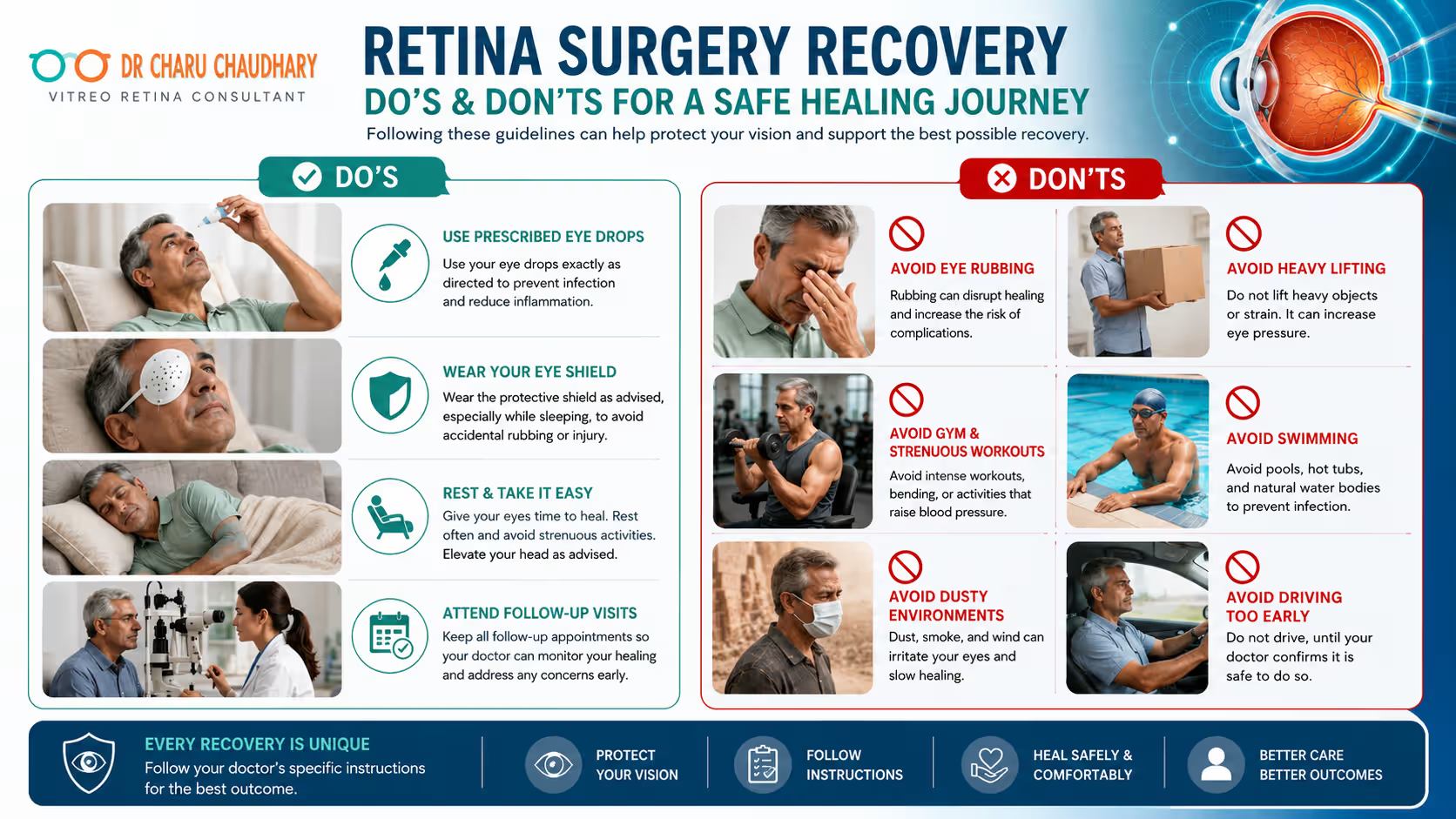
Use Eye Drops Exactly as Prescribed
Your surgeon will prescribe a combination of antibiotic drops (to prevent infection) and steroid drops (to reduce inflammation).
- Do: Wash your hands before applying drops.
- Do: Wait at least 5 minutes between different types of drops.
- Do: Finish the entire course, even if the eye feels better.
Attend All Follow-Up Visits
Post-operative appointments are non-negotiable. Your surgeon needs to monitor the intraocular pressure (IOP) and ensure the retina is staying in place. Missing an appointment could mean missing early signs of a complication.
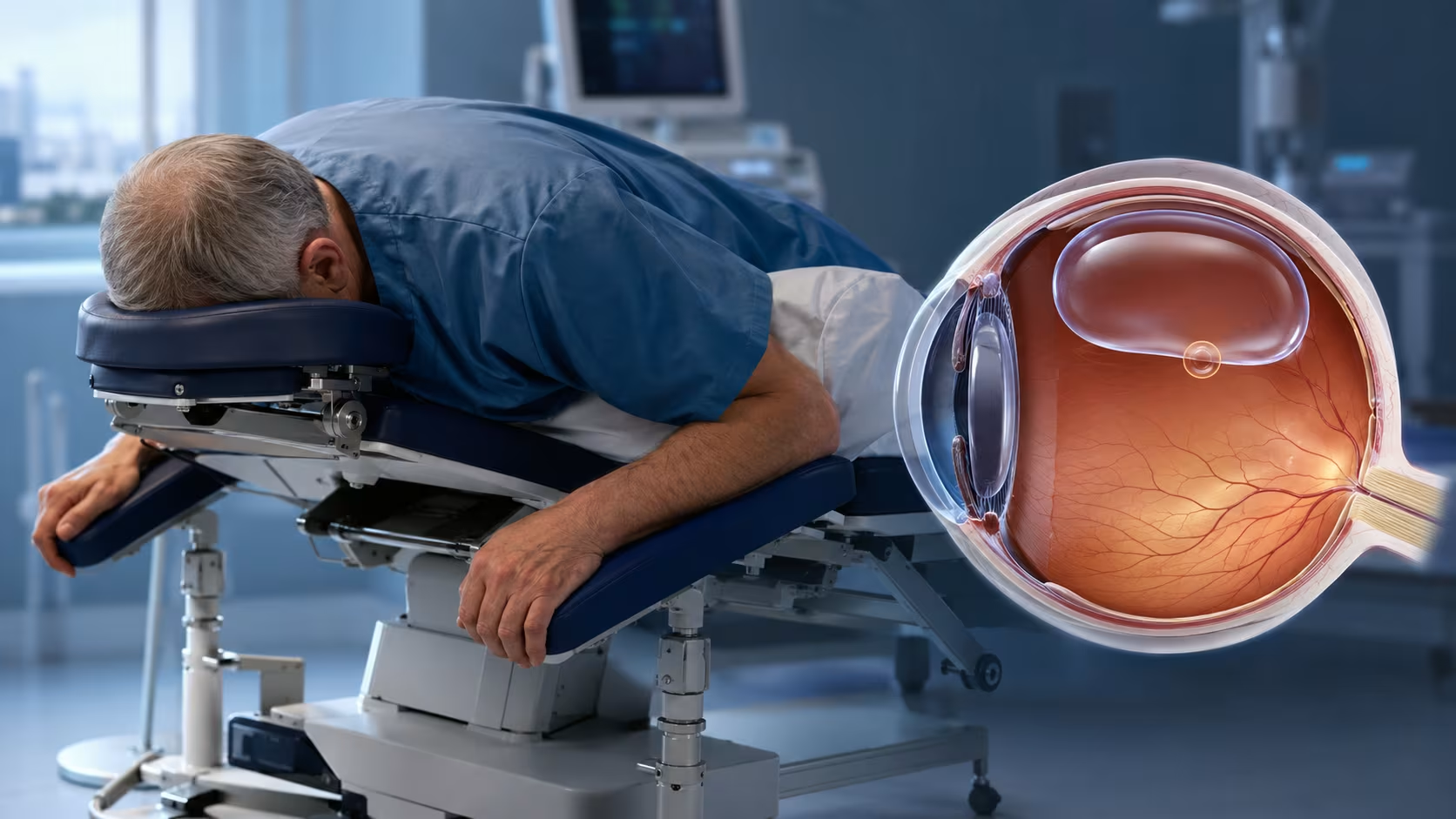
Maintain Proper Head Positioning
If a gas or oil bubble was placed in your eye, you may be required to maintain a specific head position (face-down or side-lying) for 23 hours a day for 1–2 weeks. This ensures the bubble floats to the correct spot to “plug” the retinal tear or hole.
Protect Your Eye From Injury
Wear your eye shield as instructed. Even during the day, wearing your regular glasses can provide a physical barrier against accidental pokes or dust.
Get Adequate Rest
Your body heals faster when it is well-rested. Avoid the temptation to “be productive” during the first week. Focus on sleeping and staying relaxed.
Keep Blood Sugar and BP Under Control
High blood sugar or blood pressure can interfere with the healing of delicate retinal blood vessels. This is especially critical for patients with diabetic retinopathy.
Follow Activity Restrictions
Stick to light activities like listening to audiobooks, talking on the phone (hands-free), or gentle walking inside the house.
Important Don’ts After Retina Surgery
Do Not Rub Your Eyes
This is the single most important “don’t.” Rubbing your eye can open incisions, displace a gas bubble, or introduce bacteria, leading to a sight-threatening infection (endophthalmitis).
Avoid Heavy Lifting
Avoid lifting anything heavier than 5–10 pounds. Straining increases the pressure inside your eye (intraocular pressure), which can damage the surgical site.
Avoid Strenuous Exercise
No running, gym workouts, or yoga (especially inversions) for at least 2–4 weeks, depending on your surgeon’s advice.
Do Not Skip Medications
Missing even a few doses of anti-inflammatory drops can lead to a “rebound” of swelling, which can permanently scar the macula.
Avoid Swimming and Hot Tubs
Water in pools, lakes, and hot tubs is teeming with bacteria. Wait at least 3–4 weeks before submerging your head in water. Even during showers, keep your eyes tightly closed.
Avoid Dusty Environments
Construction sites, gardening, or cleaning out a dusty attic should be avoided. Small particles can easily irritate the healing eye.
Avoid Driving Too Early
Your depth perception will be significantly altered after surgery. Do not drive until your retina specialist gives you the explicit “green light.”
Special Precautions if a Gas Bubble Was Used
The use of an intraocular gas bubble is a cornerstone of vitrectomy recovery and retinal detachment surgery recovery. However, it comes with strict rules.
Why Gas Bubbles Are Used
The bubble acts as an internal splint. Because gas is lighter than the fluid in your eye, it floats upward. By positioning your head correctly, you use the buoyancy of the bubble to press against the retinal tear, keeping it dry and allowing it to heal.
Head Positioning Requirements
You may be asked to remain “face-down” (prone). Specialized equipment, such as face-down chairs or mirrors, can make this more comfortable. Dr Charu Chaudhary, the Best Retina Specialist in Lucknow, often emphasizes that the success of the surgery is 50% the surgeon’s skill and 50% the patient’s commitment to positioning.
Air Travel Restrictions
DANGER: You must NOT fly if you have a gas bubble in your eye. At higher altitudes, atmospheric pressure drops, causing the gas bubble inside your eye to expand rapidly. This can lead to excruciating pain and permanent blindness due to extreme intraocular pressure.
High Altitude Travel Risks
Similarly, avoid traveling to mountain resorts or high-altitude regions until the bubble has completely dissolved.
When the Gas Bubble Disappears
As the eye heals, it replaces the gas with its own natural fluid. You will notice a line in your vision that looks like a spirit level. This line will drop lower and lower until the bubble becomes a small “black ball” at the bottom of your vision before disappearing entirely.
Diet and Lifestyle Tips for Faster Recovery
Hydration
Drink plenty of water. Proper hydration supports the health of the vitreous and helps the body process post-surgical medications.
Retina-Friendly Nutrition
Focus on foods rich in:
- Lutein and Zeaxanthin: Found in leafy greens like spinach and kale.
- Omega-3 Fatty Acids: Found in walnuts, flaxseeds, and fatty fish.
- Vitamin C and E: Found in citrus fruits and nuts.
Protein Intake
Protein is the building block of tissue repair. Include lean meats, beans, or dairy to support the healing of surgical incisions.
Diabetes Management
If you are diabetic, keep your glucose levels within the target range. Fluctuating sugars can cause the macula to swell (macular edema), delaying vision recovery.
Sleep and Recovery
Try to get 8 hours of sleep. If you are required to maintain a specific position, use pillows or specialized foam blocks to stay in that position while asleep.
When Can You Resume Normal Activities?
Resuming life after retina surgery recovery is a gradual process.
| Activity | Typical Resumption Time |
| Reading | 2–3 days (in short intervals) |
| Screen Time | 2–3 days (use artificial tears as needed) |
| Walking | 1–2 days (gentle, indoor) |
| Light Chores | 1 week (no bending over) |
| Driving | 2–4 weeks (consult your doctor) |
| Heavy Gym/Sports | 4–6 weeks |
| Air Travel | Only after the gas bubble is 100% gone |
Warning Signs You Should Never Ignore
While some discomfort is normal, certain symptoms indicate a medical emergency. Contact your retina specialist immediately if you experience:
- Sudden Vision Loss: A dramatic drop in vision or the return of a “curtain” or “shadow.”
- Increasing Eye Pain: Pain that gets worse instead of better, or pain not relieved by medication.
- New Floaters or Flashes: A sudden shower of black dots or bright lightning streaks.
- Severe Redness: Increasing redness accompanied by swelling of the eyelids.
- Eye Discharge: Thick, yellow, or green pus-like discharge (a sign of infection).
- Nausea/Vomiting: This can be a sign of a dangerous spike in eye pressure.
Common Mistakes Patients Make During Recovery
- Skipping Follow-Up Appointments: Thinking the eye “looks fine” and missing the 1-week or 1-month checkup.
- Stopping Medications Early: Patients often stop steroid drops because the eye feels normal, leading to delayed inflammation.
- Ignoring Positioning Instructions: Failing to stay face-down for the required time is the leading cause of macular hole surgery failure.
- Returning to Work Too Soon: Especially jobs that require heavy lifting, bending, or exposure to dust.
- Excessive Screen Use: While not “dangerous,” it causes the eye to blink less, leading to severe dryness and discomfort on the surgical site.
Frequently Asked Questions
1. How long does recovery after retina surgery take?
Initial healing takes about 2 to 4 weeks. However, complete visual stabilization and the total disappearance of a gas bubble can take 6 to 8 weeks. Final visual outcomes may continue to improve for up to a year.
2. Can I watch TV after retina surgery?
Yes, you can generally watch TV after the first 24–48 hours. However, if you are required to stay face-down, you may need to place the TV on the floor or use specialized prismatic “lazy glasses” to see the screen while maintaining your position.
3. When can I use a mobile phone after retina surgery?
You can use a mobile phone within a few days, but keep it brief. Screen use can cause eye strain and dryness. If you had surgery for a macular hole, your vision may be too distorted to read small text initially.
4. Can I travel after retina surgery?
Car travel is fine, but avoid long trips where you cannot maintain your required head position. Air travel is strictly prohibited if a gas bubble was used until your doctor confirms the bubble has dissolved.
5. What foods help recovery after retina surgery?
Foods high in antioxidants (berries), leafy greens (kale, spinach), and Omega-3s (salmon, chia seeds) are excellent. Staying hydrated is also vital.
6. Why is head positioning important after retina surgery?
The gas or air bubble used in surgery floats. Since the retinal tear is often at the back or top of the eye, you must position your head so the bubble stays in contact with the tear to keep it sealed while it heals.
7. How long does blurred vision last after retina surgery?
If a gas bubble was used, vision will stay very blurred for 2–6 weeks. Once the bubble is gone, vision improves. If silicone oil was used, vision may stay blurred until the oil is surgically removed months later.
8. When can I drive again after retina surgery?
Most patients can drive within 2 to 4 weeks, but only if the vision in the other eye is stable and your depth perception has adjusted. Always ask your retina specialist first.
9. What symptoms require immediate medical attention?
Sudden loss of vision, intense pain, a “shadow” in your peripheral vision, or severe nausea.
10. When should I see a retina specialist after surgery?
You should see your specialist for all scheduled follow-ups (usually Day 1, Week 1, and Month 1) and any time you experience “red flag” symptoms.
When Should You Consult a Retina Specialist?
Recovery is a delicate phase where professional guidance is paramount. Even if you feel you are following all the do’s and don’ts, the internal healing of the eye can be unpredictable.
If you notice persistent blurred vision that isn’t improving as expected, or if you see new flashes of light, it is time to consult an expert. Residents of Lucknow and surrounding areas have access to top-tier care. Consulting Dr Charu Chaudhary, widely recognized as the Best Retina Specialist in Lucknow, ensures that your post-operative care is handled with the highest level of clinical expertise. Whether it’s monitoring a gas bubble or managing post-surgical eye pressure, having an experienced specialist like Dr. Chaudhary can make the difference between a good recovery and a great one.
Final Thoughts
Recovery after retina surgery requires immense patience and discipline. While the restrictions on lifting, swimming, and positioning may seem burdensome, they are temporary measures designed to protect your most precious sense: your sight.
Following your surgeon’s instructions, attending every follow-up, and early recognition of complications are the keys to a successful outcome. Remember that most patients experience gradual improvement over time—don’t be discouraged by the slow pace of the first few weeks. With the right care and the guidance of an expert like Dr Charu Chaudhary, you can maximize your chances of restoring your vision and returning to the activities you love.
Successful recovery after retina surgery depends on following medical advice, attending follow-up visits, and recognizing warning signs early. Proper aftercare can significantly improve healing and help protect your vision for the future.
If you have questions about retina surgery recovery, persistent symptoms, or post-operative care, consult Dr Charu Chaudhary, a trusted Best Retina Specialist in Lucknow, for expert guidance and personalized eye care. Don’t leave your vision to chance—ensure your recovery is on the right track today.


Leave A Comment