
 No Comments
Posted by Dr Charu Chaudhary | Vitreo Retina Surgeon
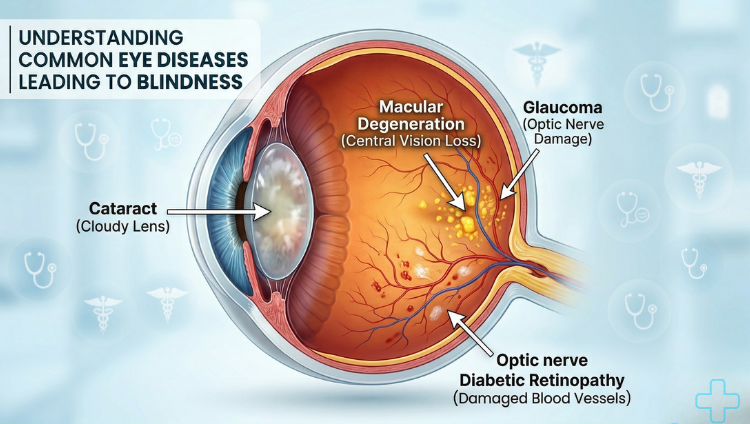
Our eyes are the windows to the world. They allow us to see the colors of a sunrise, the faces of our loved ones, and the beauty of nature. However, many people take their eyesight for granted until it starts to fade. Vision loss is a scary prospect, but the good news is that most causes of blindness are preventable or treatable if caught early.
If you are looking for the best eye specialist in Lucknow, you have come to the right place. In this blog, we will discuss the most common eye diseases that lead to blindness and how you can protect your vision. Dr. Charu Chaudhary, a renowned Ophthalmologist in Lucknow, believes that awareness is the first step toward prevention.
Why Understanding Eye Diseases Matters
Blindness does not always happen overnight. In many cases, it is a slow process, with the vision fading over months or years. Because the change is gradual, many people don’t realize they are losing their sight until it is too late.
By knowing what to look for, you can save your sight. Whether you need a general check-up or are looking for a retina treatment in Lucknow, understanding these conditions will help you make the right decisions for your health.
1. Cataracts: The Leading Cause of Blindness
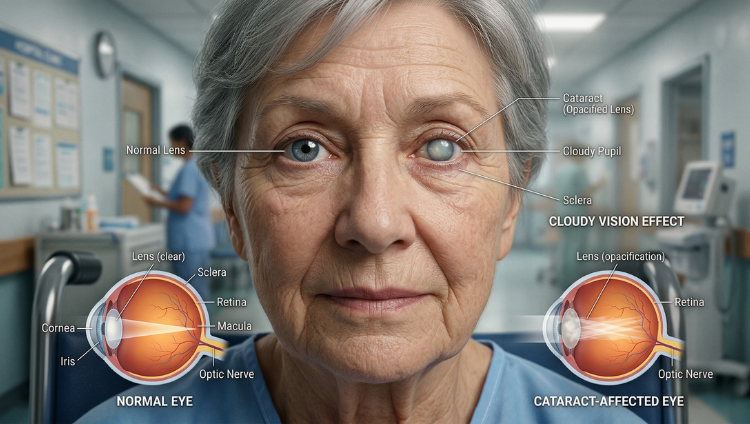
A cataract is the clouding of the eye’s natural lens. Think of it like a window that has become foggy or dirty. When the lens is cloudy, light cannot pass through properly, making everything look blurred.
Symptoms of Cataracts:
- Blurred or cloudy vision.
- Difficulty seeing at night.
- Sensitivity to light and glare.
- Seeing “halos” around lights.
- Colors appear faded or yellowed.
How it is treated:
Cataracts are very common as people age. Fortunately, they are treatable. A simple surgery can replace the cloudy lens with a clear artificial one. If you notice these symptoms, consulting the best eye specialist in Lucknow can help you regain clear vision.
2. Glaucoma: The “Silent Thief” of Sight
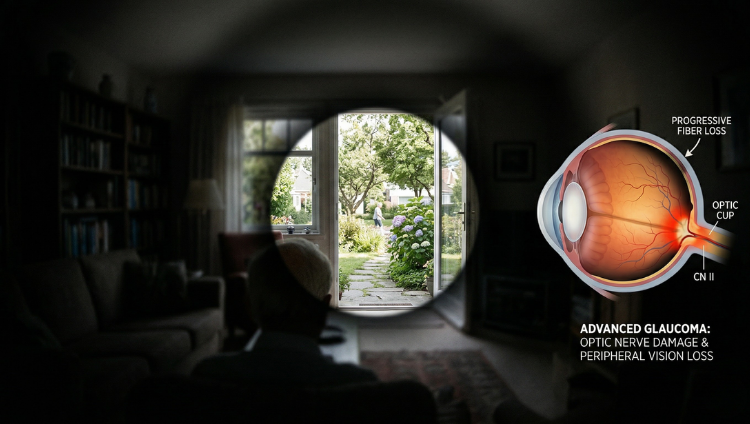
Glaucoma is often called the “silent thief” because it usually has no symptoms in the early stages. It happens when fluid builds up in the front part of the eye, increasing the pressure. This pressure damages the optic nerve, which sends visual information to your brain.
Why is it dangerous?
Once the optic nerve is damaged, the vision loss is permanent. It usually starts by affecting your side (peripheral) vision.
Prevention and Care:
- Regular eye exams are the only way to catch glaucoma early.
- Medicated eye drops can help lower eye pressure.
- In some cases, laser treatment or surgery is needed.
3. Age-Related Macular Degeneration (AMD)
AMD is a condition that affects the macula—the part of the eye responsible for sharp, central vision. This is the vision you use for reading, driving, and recognizing faces.
Two Types of AMD:
- Dry AMD: The most common form, where the macula gets thinner with age.
- Wet AMD: A more serious form where abnormal blood vessels grow under the retina and leak fluid.
How to protect your eyes:
Eating green leafy vegetables, quitting smoking, and protecting your eyes from UV rays can reduce the risk. If you notice straight lines appearing wavy, see an Ophthalmologist in Lucknow immediately.
4. Diabetic Retinopathy
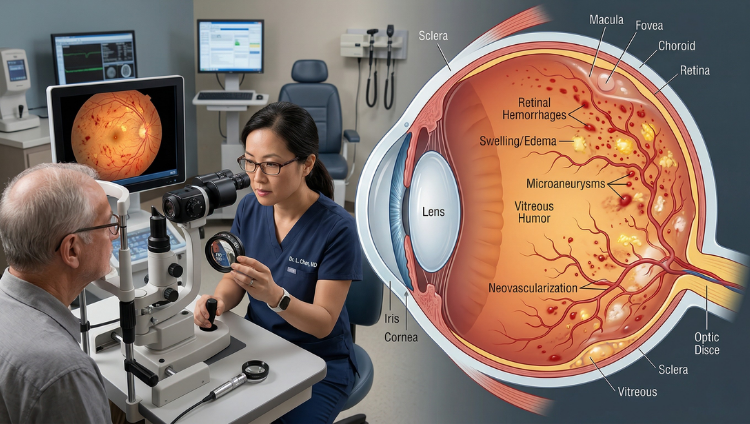
For people living with diabetes, high blood sugar can damage the tiny blood vessels in the retina. This is known as Diabetic Retinopathy. If left untreated, it can lead to total blindness.
The Role of a Specialist:
Because this disease affects the back of the eye, you may need to see a retina specialist in Lucknow. They can check for leaking vessels and use laser treatments to prevent further damage.
Steps to Manage Diabetic Retinopathy:
- Keep your blood sugar levels under control.
- Manage your blood pressure and cholesterol.
- Get a dilated eye exam at least once a year.
5. Refractive Errors (Uncorrected)
Believe it or not, simple things like nearsightedness (myopia) or farsightedness (hyperopia) can lead to severe visual impairment if they aren’t corrected with glasses or lenses. In many parts of the world, people lose their ability to work or study simply because they don’t have the right glasses.
6. Trachoma
Trachoma is an infectious disease caused by bacteria. It is more common in areas with poor sanitation. Repeated infections cause the eyelids to turn inward, leading the eyelashes to rub against the eye. This causes scarring and, eventually, blindness.
7. Corneal Opacity
The cornea is the clear front surface of your eye. Injuries, infections (like the herpes virus), or vitamin deficiencies can cause the cornea to become scarred or cloudy. This blocks light from entering the eye.
Eye Diseases That Cause Blindness in Children
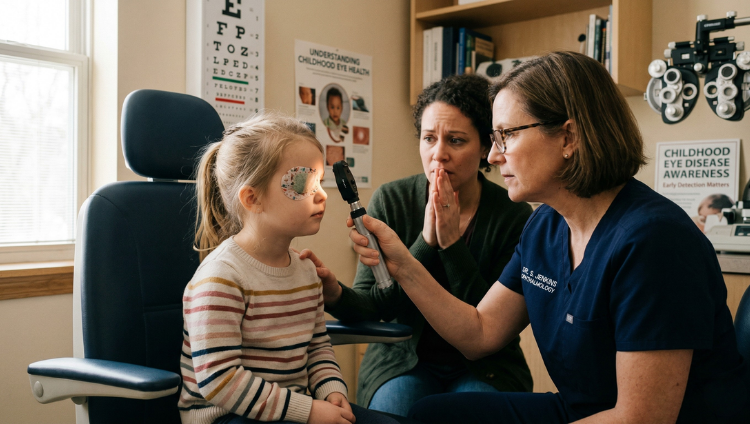
It is a heartbreaking reality that children can also suffer from blindness. Early detection is even more critical for children because their brains are still learning how to see.
- Childhood Cataracts: Some babies are born with cataracts or develop them shortly after birth.
- Retinopathy of Prematurity (ROP): This affects premature babies and involves abnormal blood vessel growth in the retina.
- Vitamin A Deficiency: This is a leading cause of preventable childhood blindness. It starts with night blindness and can lead to corneal scarring.
- Amblyopia (Lazy Eye): If one eye is much weaker than the other and isn’t treated, the brain may “shut off” the vision in that eye.
- Genetic Disorders: Conditions like Retinitis Pigmentosa can be passed down through families.
Step-by-Step Guide: How to Prevent Vision Loss
Preventing blindness starts with small, daily habits. Follow these steps to keep your eyes healthy:
Step 1: Schedule Regular Eye Exams
Even if you think your vision is fine, some diseases have no early symptoms. Adults should have a comprehensive eye exam every 1-2 years.
Step 2: Know Your Family History
Many eye conditions, like glaucoma and AMD, are hereditary. Talk to your relatives about their eye health.
Step 3: Eat for Your Eyes
Your diet matters. Include:
- Carrots and Sweet Potatoes: Rich in Vitamin A.
- Spinach and Kale: Rich in Lutein.
- Fish (Salmon/Tuna): Rich in Omega-3 fatty acids.
Step 4: Wear Sunglasses
Protect your eyes from harmful UV rays by wearing sunglasses that block 99% to 100% of UVA and UVB radiation.
Step 5: Follow the 20-20-20 Rule
If you spend a lot of time on computers or phones:
- Every 20 minutes, look at something 20 feet away for at least 20 seconds.
Step 6: Quit Smoking
Smoking increases the risk of cataracts, optic nerve damage, and macular degeneration.
Warning Signs: When to See an Ophthalmologist Immediately
If you experience any of the following, do not wait. Contact the best eye specialist in Lucknow right away:
- Sudden loss of vision in one or both eyes.
- A sudden “curtain” or “shadow” falling over your field of vision.
- Flash of light or a sudden increase in “floaters” (tiny spots moving in your vision).
- Severe eye pain accompanied by nausea.
- A change in the color of your iris.
FAQs: Common Questions About Blindness and Eye Health
Which eye disease leads to blindness?
Several diseases can lead to blindness if untreated. The most common are Cataracts, Glaucoma, Diabetic Retinopathy, and Age-Related Macular Degeneration (AMD). Cataracts are the leading cause worldwide, but are mostly reversible with surgery.
What are the top 10 eye diseases?
The top 10 most common eye conditions include:
- Cataracts
- Glaucoma
- Diabetic Retinopathy
- Macular Degeneration (AMD)
- Refractive Errors (Nearsightedness/Farsightedness)
- Dry Eye Syndrome
- Retinal Detachment
- Conjunctivitis (Pink Eye)
- Corneal Dystrophy
- Amblyopia (Lazy Eye)
Eye diseases that cause blindness in children?
The primary causes include Childhood Cataracts, Retinopathy of Prematurity (ROP), Vitamin A Deficiency, Strabismus (Crossed eyes), and Genetic disorders like Leber Congenital Amaurosis.
Can blindness from Glaucoma be reversed?
Unfortunately, no. Vision lost due to Glaucoma is permanent because it involves damage to the optic nerve. However, early treatment can prevent further vision loss. This is why regular check-ups with an Ophthalmologist in Lucknow are vital.
Is it normal for vision to blur as I get older?
While some vision changes are normal (like needing reading glasses), blurred vision is often a sign of cataracts or AMD. It is not something you should ignore.
How often should I see a retina specialist?
If you have diabetes or have been diagnosed with macular degeneration, you should see a retina specialist in Lucknow at least once a year, or more frequently as recommended by your doctor.
Can lifestyle changes really prevent blindness?
Yes! Healthy eating, not smoking, wearing eye protection during sports or construction work, and managing chronic conditions like diabetes can significantly lower your risk of losing your sight.
Conclusion: Take Action for Your Eyes Today
Your vision is one of your most precious assets. While many diseases can lead to blindness, medical science has advanced to a point where most of these conditions can be managed effectively. The key is early detection.
Whether you are experiencing blurred vision, eye pain, or just haven’t had a check-up in a long time, don’t wait. Choosing the right expert makes all the difference. As a leading Ophthalmologist in Lucknow, our clinic is dedicated to providing world-class care to help you see the world clearly.
From advanced cataract surgery to specialized care from a eye specialist in Lucknow, we offer solutions tailored to your needs. Take the first step toward a clearer future today.
Book Your Consultation with the Best Eye Specialist in Lucknow!
Don’t let “the silent thief” steal your sight. Protect your eyes and the eyes of your family.
Contact Dr. Charu Chaudhary’s Clinic today:
📞 Phone: [+91 75710 20999]
📍 Address: [Medanta Hospitals, Lucknow]
🌐 Website: [https://retinasurgeonlucknow.com/]
Your vision is our priority!


Leave A Comment