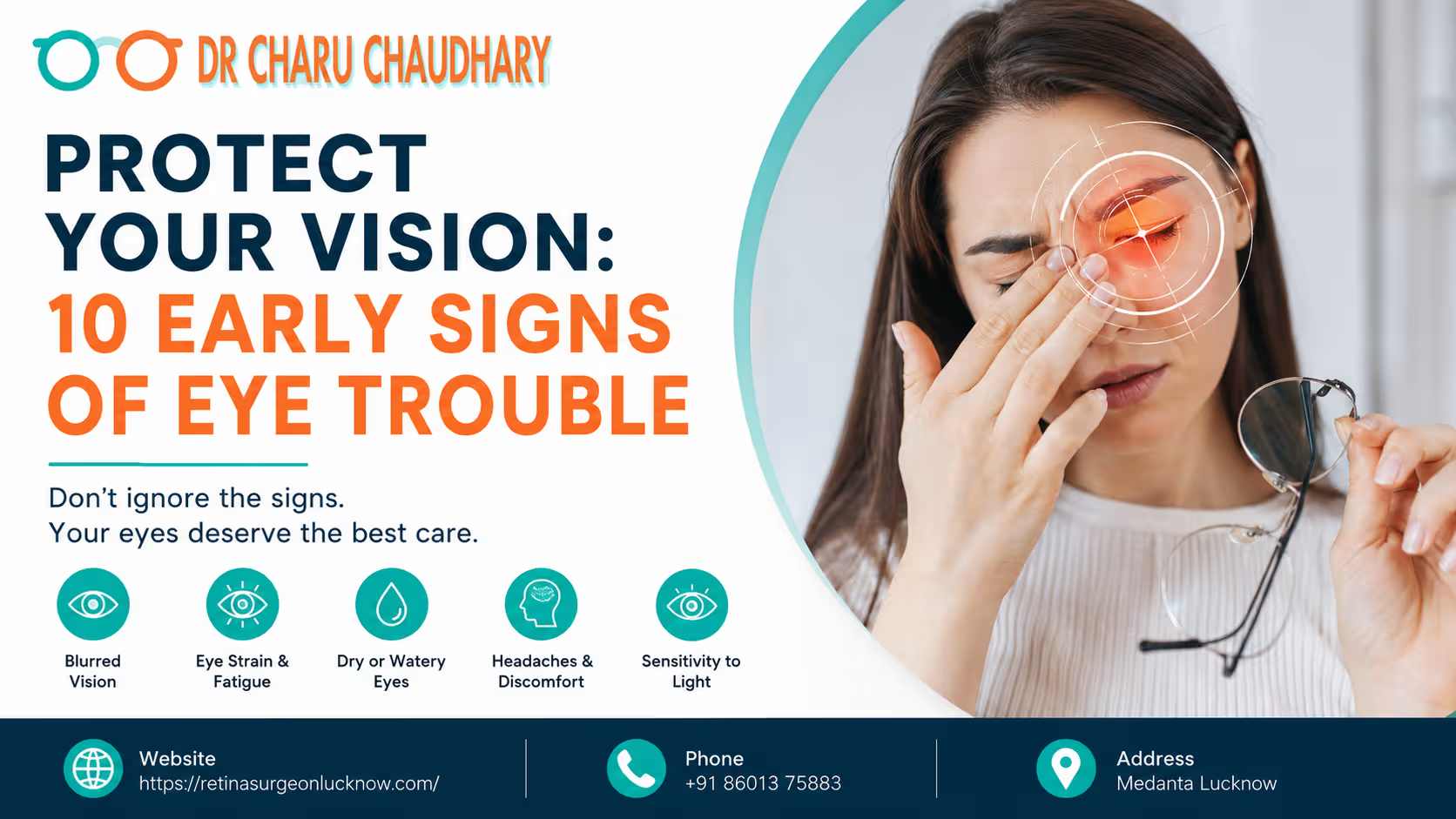
In the busy rhythm of our daily lives, we often take our senses for granted—especially our sight. Our eyes are arguably our most precious sensory organs, processing over 80% of the information we receive from the world around us. However, many of us ignore the subtle “whispers” our eyes send when something is wrong. From a slight blur while reading to a nagging headache after a day at the computer, these early signs of eye problems are often dismissed as mere tiredness or aging. Early signs of eye trouble may include blurry vision, eye pain, redness, floaters, headaches, sensitivity to light, or sudden vision changes. Timely diagnosis and regular eye checkups may help prevent serious vision complications. The reality is that many serious eye conditions, such as glaucoma or macular degeneration, develop silently. They often don’t cause significant pain in their early stages, making it easy to overlook them until permanent damage has occurred. This is why preventive eye care is not just a medical recommendation; it is a necessity for maintaining your quality of life. By understanding the early warning signs and seeking help from an experienced professional, such as Dr. Charu Chaudhary, you can protect your vision for years to come. Recognizing these symptoms early allows for more effective treatments and better long-term outcomes. Why Early Detection of Eye Problems Matters The old saying “prevention is better than cure” holds profound truth in ophthalmology. Early detection is often the only way to halt the progression of diseases that could otherwise lead to irreversible vision loss. Unlike a broken bone that heals or a skin scrape that regenerates, many parts of the eye—such as the optic nerve and the retina—do not have the capacity to repair themselves once they are severely damaged. Regular eye exams serve two primary purposes. First, they ensure that your current vision is as clear as possible, often through corrective lenses. Second, and more importantly, they allow a specialist to look inside the eye to check for signs of systemic health issues. Did you know that an eye exam can sometimes be the first way a doctor detects high blood pressure, diabetes, or even certain types of autoimmune diseases? When you consult the Best Eye specialist in Lucknow, you aren’t just getting a prescription for glasses; you are receiving a comprehensive health screening. Timely intervention can mean the difference between a simple eye drop regimen and a complex surgical procedure later in life. Sign #1 — Blurry Vision Blurry vision is perhaps the most common early sign of eye trouble, but its causes can range from the mundane to the critical. If you find yourself squinting to read street signs or holding your smartphone further away than usual, your eyes are telling you something. Temporary vs. Persistent Blurriness Temporary blurriness can occur due to eye fatigue, excessive screen time, or even dehydration. However, persistent blurriness—where things remain out of focus despite resting—requires professional evaluation. Common Causes If blurriness comes on suddenly in one eye, it should be treated as a medical emergency, as it could indicate a stroke or a retinal detachment. Sign #2 — Persistent Eye Redness We’ve all had bloodshot eyes after a late night or an early morning flight. However, when redness persists or is accompanied by other symptoms, it’s a sign of inflammation or infection. When Redness is a Concern Redness occurs when the tiny blood vessels on the surface of the eye become swollen or inflamed. This can be caused by: If your eyes are red and you also experience discharge, crusting of the eyelids, or a “gritty” feeling as if sand is in your eye, it is time to schedule a consultation. Sign #3 — Eye Pain or Pressure Eye pain is never “normal.” While it can sometimes feel like a dull ache or a sharp poke, it is a significant warning sign that something is amiss. Types of Eye Pain The Pressure Sensation Sometimes, you don’t feel “pain” so much as a feeling of “fullness” or pressure behind the eye. This can be linked to ocular hypertension. If left unchecked, high internal eye pressure can damage the optic nerve. Many patients describe this sensation as a “heaviness” that often correlates with headaches. Persistent pain, especially when moving the eyes, should never be ignored and warrants a visit to a specialist like Dr. Charu Chaudhary. Sign #4 — Sudden Floaters or Flashes Floaters are those specks, dots, or “cobwebs” that seem to drift across your field of vision. Most people have a few, and they are usually harmless remnants of the vitreous (the gel-like substance inside the eye). The Danger Zone While a few floaters are normal, a sudden increase in the number of floaters is a major red flag. If these floaters are accompanied by flashes of light (like lightning streaks or camera flashes) or a “curtain” falling over your vision, you may be experiencing a retinal tear or detachment. This is a critical situation. A detached retina is a medical emergency that can lead to permanent blindness if not treated within hours. If you experience these symptoms, seek the Best Eye specialist in Lucknow immediately. Early diagnosis through a dilated eye exam can save your sight. Common Eye Symptoms vs. Possible Causes To help you understand when to act, refer to the chart below summarizing common symptoms and their potential implications. Symptom Possible Causes When to Seek Help Blurry Vision Immediately if a sudden increase If symptoms are persistent or sudden Redness Allergy, infection, dry eye If accompanied by pain or discharge Floaters/Flashes Vitreous changes, retinal tear Immediately if sudden increase Eye Pain Infection, glaucoma, injury If pain is severe or recurring Dry Eyes Screen strain, aging, environment If lifestyle changes don’t help Light Sensitivity Migraine, inflammation, infection If it interferes with daily activities Note: This chart is for educational purposes. A professional diagnosis from an eye specialist is always required for accurate assessment. Sign #5 — Difficulty Seeing at Night Night blindness (nyctalopia) doesn’t mean you are completely blind at night; rather, it means your vision