
 No Comments
India is currently facing a dual epidemic: the explosion of diabetes and the subsequent rise in vision impairment. As the “Diabetes Capital of the World,” the burden of managing complications like diabetic retinopathy has never been more critical. This condition, often referred to as the “silent thief of sight,” remains the leading cause of preventable blindness in adults worldwide.
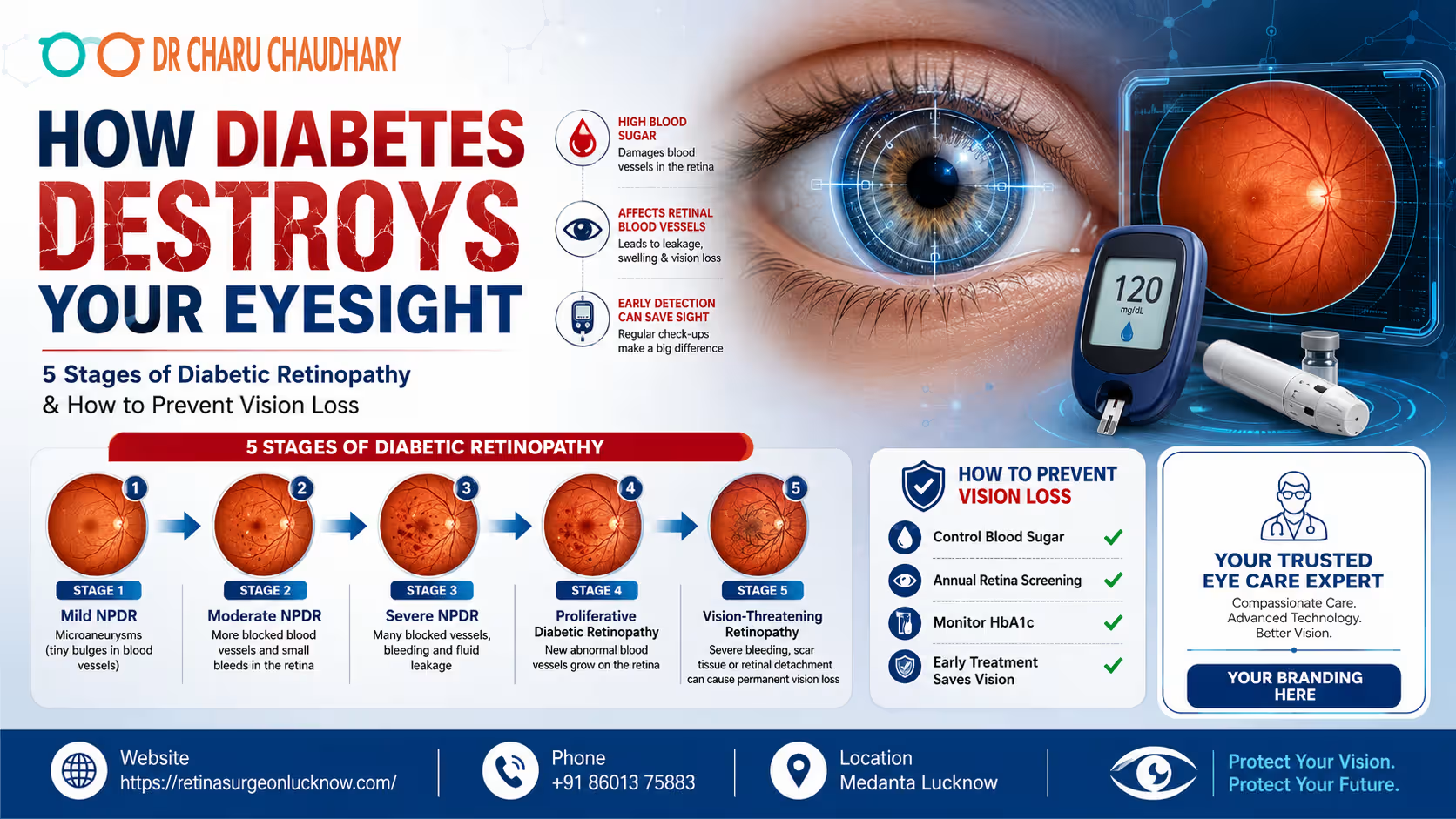
Diabetic Retinopathy is a diabetes-related eye disease caused by damage to retinal blood vessels. Early diagnosis, good blood sugar control, and regular retina screening can help prevent severe vision loss and blindness.
The Hidden Link Between Blood Sugar and Blindness
The numbers are startling. According to recent health surveys, nearly one in every three people with diabetes will develop some form of eye damage. In the bustling landscape of Uttar Pradesh, particularly in cities like Lucknow, the prevalence of Type 2 diabetes is shifting toward younger age groups. This shift means people are living with high blood sugar for longer periods, significantly increasing the window for “Diabetic Vision Loss” to occur.
Most patients believe that if they can see clearly, their eyes are healthy. This is a dangerous misconception. Diabetic retinopathy often begins without a single symptom. By the time vision becomes blurred or “floaters” appear, the disease has likely progressed to a stage where advanced medical intervention is required. This guide aims to bridge the gap between awareness and action, helping you understand how diabetes affects your eyes and what you can do to stop it.
Key Facts About Diabetic Retinopathy
To understand the gravity of this condition, let’s look at the data provided by global health leaders like the WHO, International Diabetes Federation (IDF), and the American Academy of Ophthalmology (AAO):
- Prevalence: Over 100 million people in India are diabetic, and roughly 18% of them have some stage of retinopathy.
- Preventability: Up to 95% of vision loss from diabetic retinopathy can be prevented with early detection and timely treatment.
- The 10-Year Mark: Approximately 80% of people who have had diabetes for 10 years or more will have some degree of retinal damage.
- Global Leading Cause: It is the primary cause of blindness in the working-age population (20–74 years).
- HbA1c Impact: A sustained reduction of just 1% in HbA1c can reduce the risk of microvascular complications like retinopathy by nearly 35%.
What Is Diabetic Retinopathy?
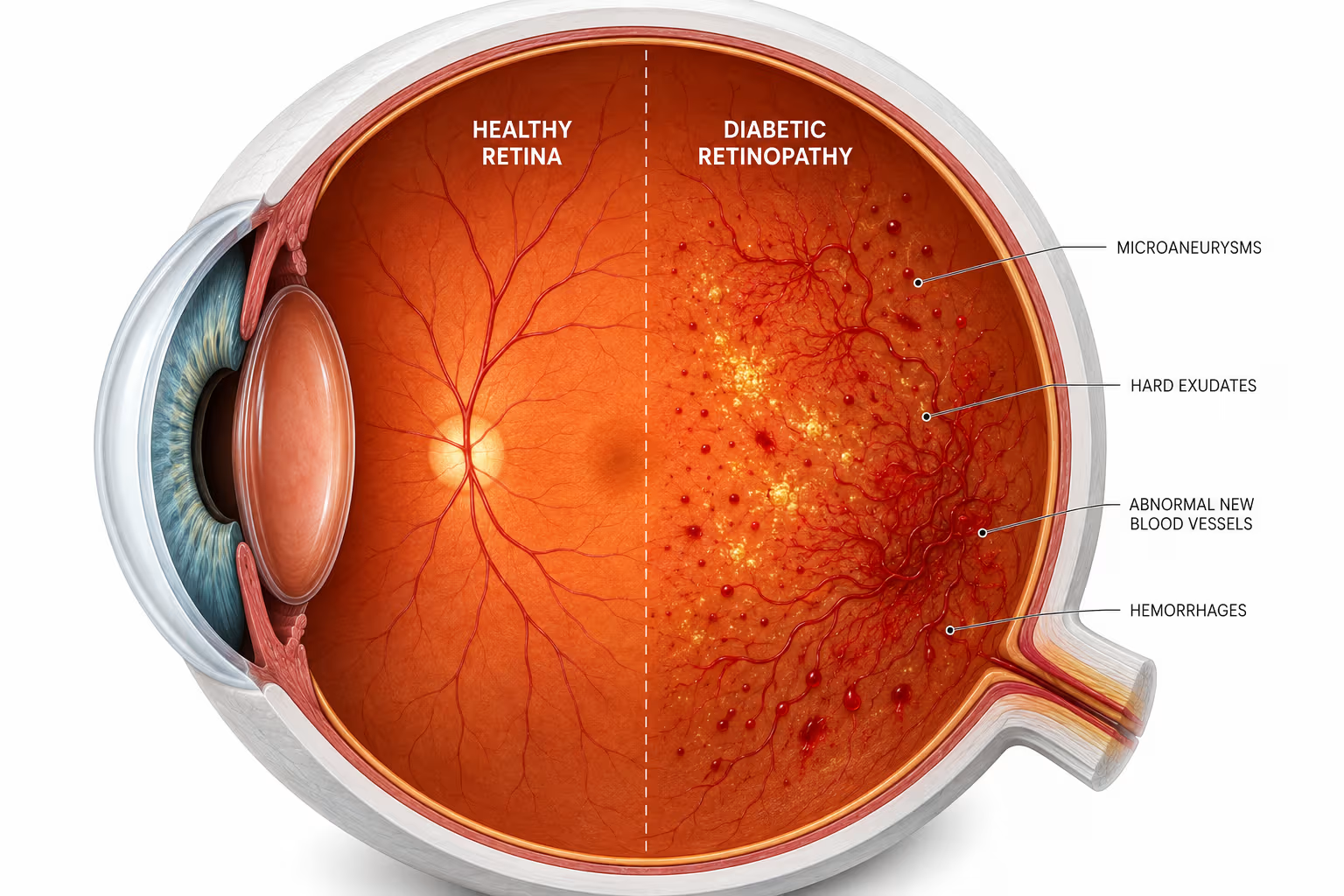
At its core, Diabetic Retinopathy is a microvascular complication. The retina is the thin layer of light-sensitive tissue at the back of your eye. It functions like the sensor in a digital camera, capturing light and converting it into electrical signals that the brain interprets as images.
For the retina to function, it requires a constant and healthy supply of oxygen and nutrients through a network of tiny, delicate blood vessels. When blood sugar levels remain high for extended periods, it damages the structural integrity of these vessels. They become weak, leak fluid, or close off entirely. This process is the foundation of “Diabetic Eye Disease.”
How Diabetes Affects Your Eyesight
The destruction of eyesight via diabetes is a progressive, biological cascade:
- Vessel Wall Weakening: High glucose levels interfere with the cells (pericytes) that provide structure to the capillary walls in the eye.
- Permeability and Leakage: As walls weaken, the vessels become “leaky.” Blood and fatty fluids (exudates) seep into the retinal tissue.
- Ischemia (Oxygen Starvation): Eventually, the damaged vessels collapse or become blocked. This leaves parts of the retina starved of oxygen.
- Neovascularization: In a desperate attempt to survive, the retina sends out signals (VEGF) to grow new blood vessels. However, these new vessels are abnormal, fragile, and prone to breaking.
- Scarring and Detachment: If left unchecked, these new vessels cause scarring, which can pull the retina away from its position, leading to permanent blindness.
Why Diabetic Eye Damage Often Goes Unnoticed
The human brain is remarkably good at compensating for small gaps in vision. In the early stages of retinopathy, the damage usually occurs in the peripheral (side) retina. Because your central vision remains sharp, you may not notice anything is wrong.
Furthermore, diabetic eye damage does not cause pain. Unlike a “red eye” or an infection, there is no physical discomfort to alert the patient. This “silent progression” is why annual diabetic eye screening is non-negotiable for every diabetic patient, regardless of their current visual clarity.
The 5 Stages of Diabetic Retinopathy
Medical professionals categorize the progression of this disease to determine the appropriate treatment path.
Stage 1 – Mild Non-Proliferative Diabetic Retinopathy (NPDR)
This is the “alert” stage. At this point, tiny, balloon-like swellings called microaneurysms appear in the retinal blood vessels.
- Symptoms: None. Vision is usually 20/20.
- Treatment: No medical eye treatment is usually required. The focus is entirely on managing blood sugar, blood pressure, and cholesterol.
Stage 2 – Moderate Non-Proliferative Diabetic Retinopathy
As the disease advances, more blood vessels swell and lose their ability to transport blood. They may begin to leak blood and fluid, causing the retina to look “spotted” during an exam.
- Symptoms: Most patients still experience no symptoms, though some may notice slight changes in color perception.
- Treatment: Increased frequency of eye checkups (every 6 months).
Stage 3 – Severe Non-Proliferative Diabetic Retinopathy
In this critical stage, a large number of blood vessels are blocked, depriving several areas of the retina of blood flow. These areas secrete growth factors that signal the eye to start growing new vessels.
- Symptoms: Occasional blurred vision or “heaviness” in the eyes.
- Risk: Extremely high risk of progressing to the proliferative stage within months.
- Treatment: A retina specialist in Lucknow may recommend early injections or laser therapy to prevent the “explosion” of new vessel growth.
Stage 4 – Proliferative Diabetic Retinopathy (PDR)
This is the advanced, vision-threatening stage. The “proliferative” part refers to the rapid growth of new, fragile blood vessels (neovascularization) along the inside surface of the retina and into the vitreous gel.
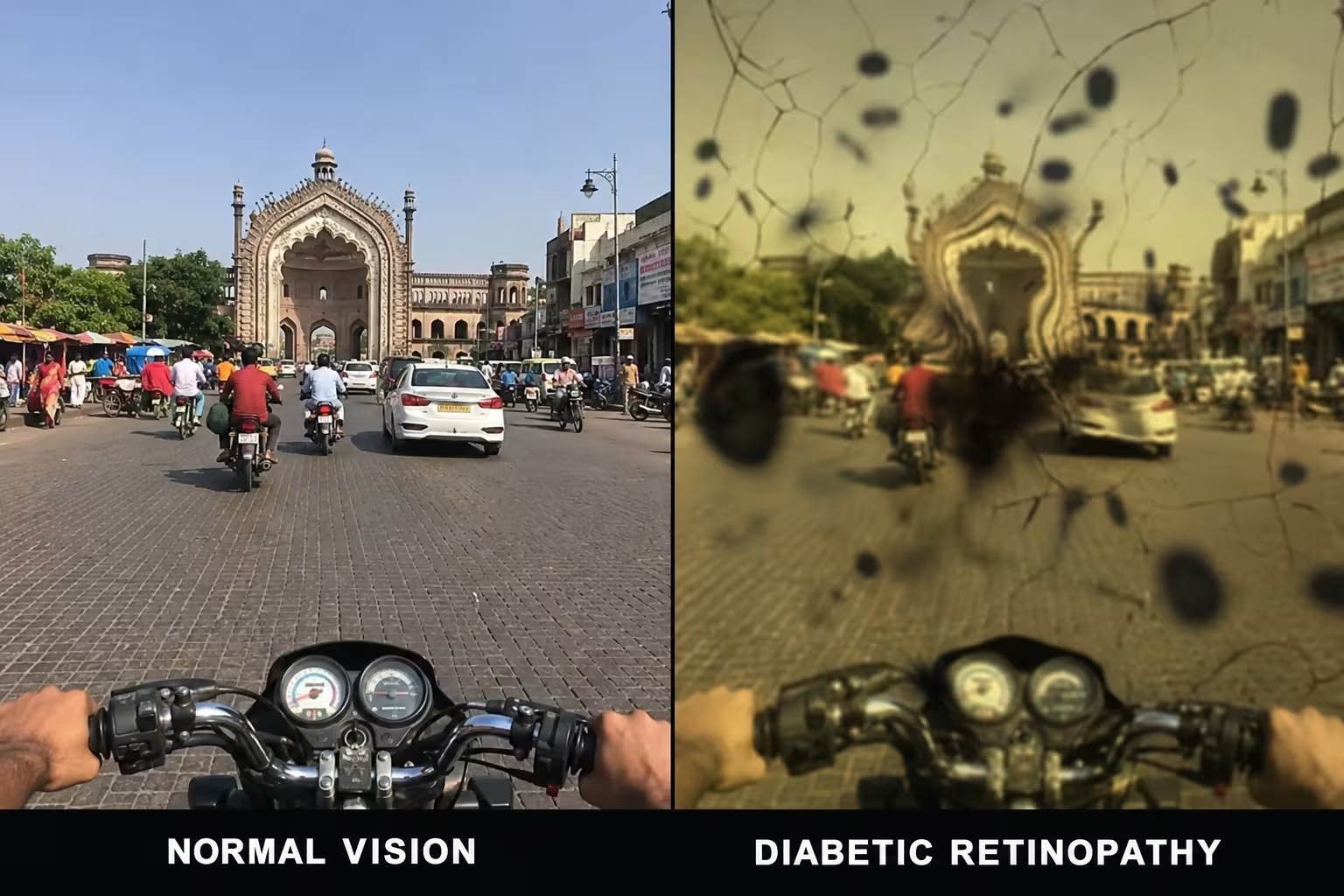
- Symptoms: Sudden出现 (appearance) of floaters, cobwebs, or dark spots. These are caused by the new vessels leaking blood into the center of the eye.
- Treatment: Urgent Panretinal Photocoagulation (Laser) or Anti-VEGF injections.
Stage 5 – Advanced Vision-Threatening Diabetic Retinopathy
If PDR is left untreated, it leads to severe complications. The abnormal vessels can cause scar tissue to form, which can pull the retina away from the back of the eye (Tractional Retinal Detachment). It can also cause a form of high eye pressure called Neovascular Glaucoma.
- Symptoms: Severe vision loss, distorted shapes, or total darkness.
- Treatment: Complex microsurgery known as a Vitrectomy is required to remove blood and scar tissue.
Stage-by-Stage Risk Chart
| Stage | Pathological Features | Vision Risk | Recommended Action |
| Stage 1: Mild | Microaneurysms | Very Low | Annual Screening |
| Stage 2: Moderate | Vessel leakage & swelling | Low | 6-Month Monitoring |
| Stage 3: Severe | Multiple blocked vessels | High | 3-Month Monitoring/Laser |
| Stage 4: Proliferative | New fragile vessel growth | Very High | Injections / Laser |
| Stage 5: Advanced | Scarring & Detachment | Extreme | Vitrectomy Surgery |
Note: While these stages are sequential, a complication called Diabetic Macular Edema (DME) can happen at any of these stages, causing immediate central vision blurriness.
Early Symptoms of Diabetic Retinopathy You Should Never Ignore
While we emphasize that early stages are silent, you must be on the lookout for these “red flags”:
- Floating Spots or Strings: Often described as “flies” or “cobwebs” in the field of vision.
- Blurred Vision: Difficulty reading or seeing fine details.
- Fluctuating Vision: Vision that changes from day to day (often linked to sugar spikes).
- Dark or Empty Areas: Noticing “missing pieces” in your visual field.
- Color Fading: Colors look washed out or less vivid.
- Poor Night Vision: Difficulty driving or walking in low-light environments.
Who Is Most at Risk of Diabetic Vision Loss?
Certain factors act as “accelerants” for eye damage:
- Duration of Diabetes: Time is the biggest risk factor. The longer you have had diabetes, the higher the likelihood of retinopathy.
- Poor HbA1c Control: Uncontrolled blood sugar is the primary fuel for retinal damage.
- Hypertension: High blood pressure forces blood through weakened vessels, causing them to leak faster.
- Kidney Disease: There is a direct link between the health of the blood vessels in your kidneys and those in your eyes.
- High Cholesterol: Leads to fatty deposits (exudates) in the retina.
- Pregnancy: Hormonal changes can rapidly worsen retinopathy in women with pre-existing diabetes.
Can Diabetic Retinopathy Cause Permanent Blindness?
The short answer is yes, but it is not an inevitability. Blindness occurs when the disease reaches Stage 5, where the retina detaches or the optic nerve is damaged.
However, with modern advancements, even patients with advanced stages can often have their vision stabilized. The key distinction is between “preventing” and “restoring.” It is much easier to prevent vision loss than it is to restore it once the retina has been scarred. This highlights the importance of a regular retina checkup.
How Doctors Diagnose Diabetic Retinopathy
Diagnosing this condition requires more than a simple eye chart test. A retina specialist in Lucknow will use a combination of:
Dilated Eye Examination
Using drops to enlarge the pupil, the doctor can see the entire retina clearly using a specialized microscope called a slit lamp.
Optical Coherence Tomography (OCT Scan)
This is a gold-standard diagnostic tool. It’s essentially an “ultrasound with light” that provides high-definition, cross-sectional images of the retina. It can detect swelling (edema) that is invisible to the naked eye.
Fundus Photography
High-resolution photos are taken of the back of the eye. These serve as a permanent record to track the progression of the disease over time.
Fluorescein Angiography
A special dye is injected into the arm, and as it reaches the eye, photos are taken. This highlights exactly which vessels are leaking and where the blood flow is blocked.
Diabetic Macular Edema (DME) — A Serious Complication
The most common reason diabetics lose their vision is not the stages mentioned above, but rather Diabetic Macular Edema (DME).
The macula is the tiny, central part of the retina responsible for sharp vision. If blood vessels near the macula leak, the tissue swells. Imagine a piece of wallpaper getting wet; it bubbles and distorts. That is what happens to your vision when you have DME. This requires prompt treatment, usually in the form of Anti-VEGF injections.
Treatment Options for Diabetic Retinopathy
Anti-VEGF Injections
Drugs like Ranibizumab or Aflibercept are injected into the eye (painlessly, under numbing) to stop the signal that causes new vessels to grow and leak. This is the primary treatment for Macular Edema.
Laser Photocoagulation
- Focal Laser: Seals leaking vessels.
- PRP (Panretinal Photocoagulation): Uses a laser to “shrink” abnormal vessels in the peripheral retina to save the central vision.
Vitrectomy Surgery
If the eye is filled with blood or the retina is being pulled by scar tissue, a surgeon performs a vitrectomy. This involves removing the vitreous gel and replacing it with a clear solution, often reattaching the retina in the process.
Blood Sugar and Lifestyle Management
No medical procedure can replace the benefits of a healthy lifestyle. Strict control of HbA1c, blood pressure, and cholesterol is the foundation of all treatment.
How to Stop Diabetic Retinopathy from Getting Worse
To “stop the clock” on eye damage, follow these six steps:
- Control HbA1c Levels: Aim for a target (usually under 7%) as recommended by your physician.
- Monitor Blood Pressure: Keep it under 130/80 mmHg to protect the fragile retinal capillaries.
- Maintain Healthy Cholesterol: High lipids contribute to retinal deposits.
- Quit Smoking: Smoking reduces oxygen in the blood, making retinal ischemia worse.
- Exercise Regularly: Helps stabilize blood sugar levels and improves overall circulation.
- Schedule Retina Checkups: Visit an eye specialist at least once a year, or as advised.
How Often Should Diabetic Patients Get an Eye Checkup?
- Type 1 Diabetes: Within 5 years of diagnosis and annually thereafter.
- Type 2 Diabetes: Immediately upon diagnosis, as many people have had the disease for years before being diagnosed.
- Pregnant Women with Diabetes: Special monitoring is needed in the first trimester and throughout the pregnancy.
Diabetic Eye Care Awareness in Lucknow
In a city like Lucknow, where the food culture is rich but sedentary habits are increasing, the risk of diabetes is high. Public health initiatives aim to raise awareness, but the responsibility ultimately lies with the patient.
Dr Charu Chaudhary emphasizes routine retinal examinations and timely treatment to help prevent avoidable diabetic vision loss. As a Best Eye Surgeon in Lucknow, she advocates for “Proactive Prevention”—using advanced diagnostics to catch the disease before the patient even knows they are at risk.
When Should You Visit an Eye Specialist Immediately?
Do not wait for your scheduled appointment if you experience:
- Suddenly, total vision loss in one eye.
- A sudden “shower” of new floaters.
- Flashing lights in your side vision.
- Distorted vision (straight lines looking wavy).
Common Myths and Facts About Diabetic Retinopathy
- Myth: “I don’t need an eye exam because I can see fine.”
- Fact: Early-stage retinopathy has no symptoms. Only a dilated exam can find it.
- Myth: “Eye injections are extremely painful.”
- Fact: The eye is thoroughly numbed; most patients feel only a slight pressure.
- Myth: “Laser treatment will restore my vision to 20/20.”
- Fact: Lasers are mostly used to prevent further vision loss, though they can sometimes improve clarity.
- Myth: “If I have retinopathy, I’ll definitely go blind.”
- Fact: With modern treatments, the vast majority of patients maintain functional vision for life.
- Myth: “Only people with very high sugar get eye damage.”
- Fact: Even moderately high sugar, if sustained over many years, can cause significant damage.
Final Thoughts
Diabetic retinopathy is a formidable opponent, but it is one that we can defeat through early detection and modern medicine. Your eyesight is your window to the world; protecting it requires a partnership between you, your endocrinologist, and your retina specialist.
By managing your “ABC”s (A1c, Blood Pressure, and Cholesterol) and committing to an annual retina checkup, you can ensure that diabetes does not take away your ability to see the world.
FAQs
1. Can diabetes cause permanent blindness?
Yes, if left untreated, advanced stages (neovascular glaucoma or retinal detachment) can lead to permanent blindness. However, early intervention prevents this in 95% of cases.
2. What are the first signs of diabetic retinopathy?
The “first” signs are usually seen only by a doctor during a dilated eye exam. To the patient, the first symptoms are often blurred vision or small floaters.
3. Can diabetic retinopathy be reversed?
While the structural damage to vessels cannot always be “undone,” the swelling (edema) can be reversed with injections, and the disease can be brought into a “quiescent” (inactive) state.
4. How often should diabetics have eye exams?
At least once a year. If you have active retinopathy, your doctor may recommend checkups every 3 to 6 months.
5. Is blurred vision always a sign of diabetic retinopathy?
No. It can also be caused by cataracts or temporary sugar fluctuations changing the shape of the lens. However, any blurriness in a diabetic should be checked immediately.
6. What is the best treatment for diabetic retinopathy?
Prevention is the best treatment. For active disease, Anti-VEGF injections for the macula and laser treatment for the peripheral retina are the most effective options.
7. Can laser treatment restore vision?
Laser is primarily a “stabilizing” treatment to prevent further loss. Injections are generally better for restoring vision lost due to swelling.
8. Can young people with diabetes develop retinopathy?
Yes. Both Type 1 and Type 2 diabetes can lead to retinopathy in young adults and even teenagers if sugar is poorly controlled.
9. What HbA1c level increases eye disease risk?
Risk begins to rise when HbA1c exceeds 7.0%. The higher the number, the faster the progression of the disease.
10. When should I consult an eye specialist?
If you are newly diagnosed with Type 2 diabetes, you should consult an eye specialist immediately. Otherwise, see a specialist annually or whenever vision changes occur.
CTA
Protecting your vision starts with controlling diabetes and scheduling regular retinal screenings. Early diagnosis and timely treatment can significantly reduce the risk of vision loss. For diabetic eye evaluation, retinal screening, and expert guidance, consult Dr Charu Chaudhary, recognized by many patients as a Best Eye Specialist in Lucknow. Take charge of your eye health today to ensure a clearer tomorrow.


Leave A Comment