
 No Comments
Why are dry eyes becoming common in young professionals?
Dry eyes are rising among young professionals due to prolonged screen exposure, which reduces blink rates by up to 66%, causing rapid tear evaporation. Combined with air-conditioned offices, poor sleep, and digital lifestyles, the tear film becomes unstable, leading to chronic irritation, inflammation, and Digital Eye Strain.
Introduction
In the modern corporate landscape, the transition from traditional office setups to highly digitized environments has brought about a significant, yet often overlooked, health crisis. For the contemporary workforce, the day begins and ends with a glowing screen. Whether it is a software engineer in a high-pressure IT hub, a digital marketer managing multiple campaigns, or a student attending virtual lectures, the eyes are under constant duress. This shift has led to an unprecedented rise in Dry Eye Disease (DED), a condition that was once predominantly associated with aging but is now a hallmark of the young professional’s life.
The rise of digital lifestyles is hurting eye health at a rate that traditional medical models are struggling to keep pace with. We are currently living in the “Smartphone Era,” where the blue light emitted from devices and the cognitive demand of digital tasks force our eyes to work harder than they were biologically designed to. If you find yourself frequently rubbing your eyes, experiencing a persistent “gritty” sensation, or noticing that your vision blurs toward the end of a workday, you are likely part of the growing demographic suffering from ocular surface distress.
Ignoring these symptoms is not merely a matter of enduring discomfort; it can lead to long-term structural damage to the cornea. Seeking early intervention from an expert is critical. For those in North India, consulting Dr Charu Chaudhary, widely regarded as the Best Eye Specialist in Lucknow, can provide the specialized care necessary to manage this condition effectively. Understanding the “why” behind this epidemic is the first step toward reclaiming your eye health and ensuring that your career productivity is not hampered by preventable physical strain.
Quick Facts About Dry Eyes
To provide a quick overview for those seeking immediate information through voice search or AI summaries:
- What Is Dry Eye Disease? It is a complex ocular surface disorder characterized by a loss of homeostasis of the tear film, accompanied by ocular symptoms such as irritation and visual disturbance.
- How Common Is Dry Eye Among Office Workers? Prevalence rates among digital screen users range from 40% to 60%, significantly higher than the general population.
- Can Screen Time Cause Dry Eyes? Yes. Looking at screens reduces the blink rate and the quality of the blink, leading to Evaporative Dry Eye.
- Is Dry Eye a Serious Condition? While it begins as a nuisance, chronic dry eye can cause inflammation, scarring of the eye surface, and permanent vision impairment if neglected.
What Is Dry Eye Disease?
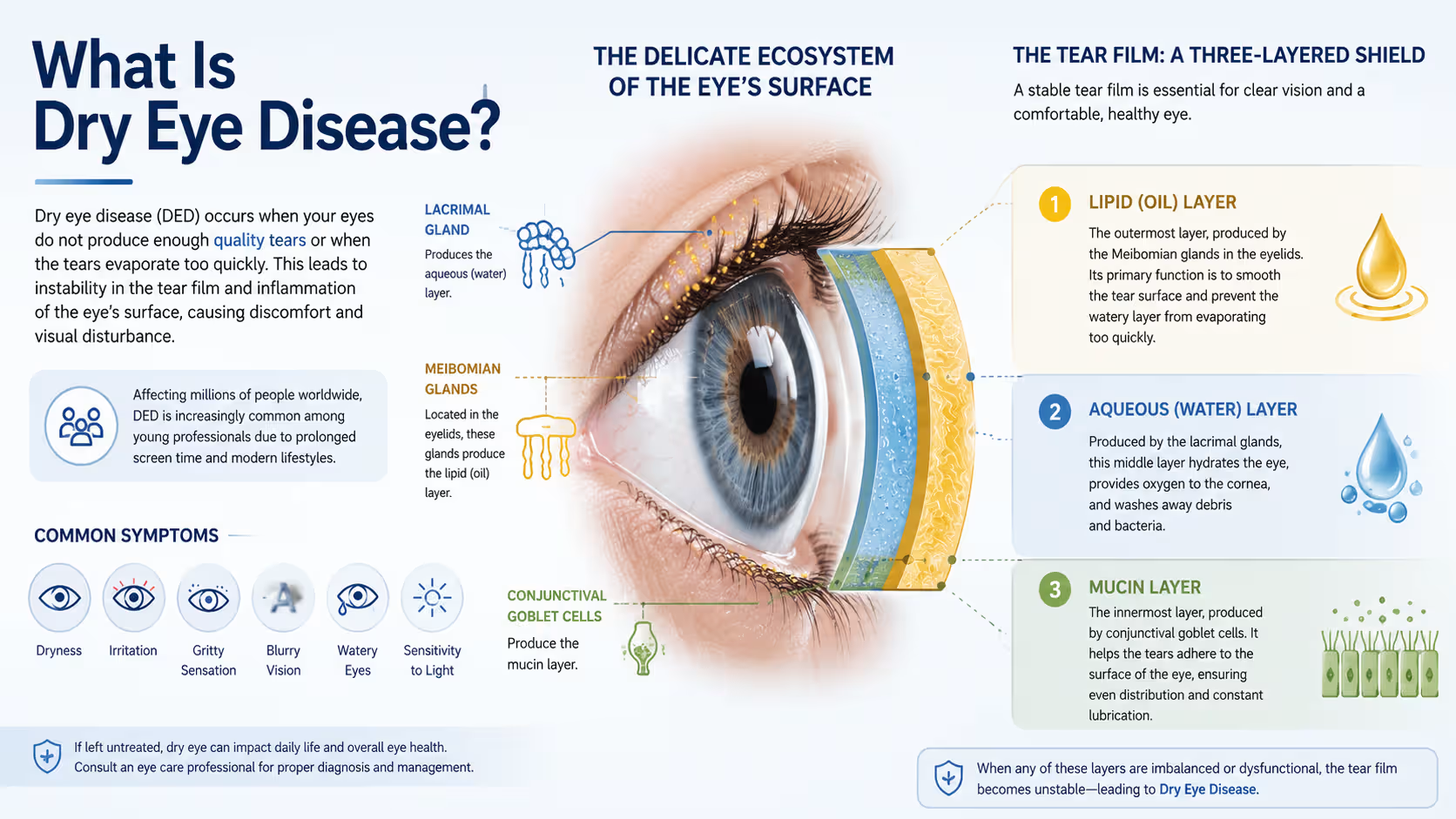
To truly grasp why young professionals are suffering, one must understand the delicate ecosystem of the eye’s surface. Healthy vision relies on a stable, continuous layer of moisture called the tear film. This film is not just “water”; it is a sophisticated three-layered shield:
- The Lipid (Oil) Layer: This outermost layer is produced by the Meibomian glands located in the eyelids. Its primary function is to smooth the tear surface and prevent the watery layer from evaporating too quickly.
- The Aqueous (Water) Layer: Produced by the lacrimal glands, this middle layer hydrates the eye, provides oxygen to the cornea, and washes away debris and bacteria.
- The Mucin Layer: This innermost layer helps the tears adhere to the surface of the eye, ensuring even distribution and constant lubrication.
How Dry Eyes Develop
Dry eye occurs when the quantity or quality of these layers is compromised. In the context of young professionals, the most common form is Evaporative Dry Eye. This happens when the oil layer is insufficient, often because the Meibomian glands are not being “pumped” effectively by regular blinking.
Temporary vs. Chronic Dry Eye
There is a distinction between occasional dryness (after a long flight or a night of poor sleep) and chronic Dry Eye Disease. Chronic DED is a self-perpetuating cycle of inflammation. When the eye stays dry for too long, the surface becomes inflamed, which in turn damages the glands that produce tears, creating a feedback loop that requires medical intervention from a specialist like Dr Charu Chaudhary.
Why Young Professionals Are More Vulnerable
The modern professional’s environment is almost perfectly engineered to cause dry eyes. Several factors contribute to this vulnerability:
Excessive Computer and Smartphone Use
The primary culprit is “Digital Eye Strain” or “Computer Vision Syndrome.” When we work on a laptop or scroll through a smartphone, the level of visual concentration is intense. This leads to a phenomenon known as “staring,” where the natural blink reflex is suppressed. Blinking is essential for spreading a fresh layer of tears; without it, the eye surface becomes exposed and parched.
Air-Conditioned Workspaces
Most corporate offices and co-working spaces in cities like Lucknow rely on centralized air conditioning. These systems function by removing moisture from the air. In a low-humidity environment, the tears on your eyes evaporate significantly faster. For an IT professional sitting under an AC vent for 9 hours, the eyes are essentially being “freeze-dried” throughout the day.
The Rise of Remote and Hybrid Work
Remote work has removed the natural “micro-breaks” of the office—walking to a colleague’s desk, moving to a meeting room, or the commute. Home offices are also often poorly optimized. Screens may be at the wrong height, causing the eyes to open wider and expose more surface area to evaporation.
Lack of Sleep and Recovery
Young professionals often prioritize “hustle” over sleep. During sleep, the eyes are bathed in continuous moisture, and the corneal cells undergo repair. Chronic sleep deprivation prevents this essential recovery, making the eyes more susceptible to irritation the following day.
How Screen Time Causes Dry Eyes: The Mechanics
The relationship between screen time and dry eyes is mechanical. Under normal circumstances, humans blink about 15 to 20 times per minute. However, when focusing on a digital task, this rate drops to about 5 to 7 blinks per minute.
Reduced Blinking and Increased Evaporation
Not only do we blink less, but the quality of the blink also suffers. Research shows that screen users often perform “incomplete blinks,” where the upper eyelid does not fully meet the lower eyelid. This failure means the Meibomian glands aren’t squeezed, and the protective oil layer is never replenished.
Blue Light Exposure and Eye Fatigue
While blue light is not the direct cause of dryness, it contributes to overall eye fatigue. The high-energy visible (HEV) light scatters more easily than other light, making it harder for the eye to focus. This increased focusing effort strains the ciliary muscles, making the symptoms of dryness feel more painful and exhausting.
Screen Time Impact Chart
| Factor | Mechanism of Action | Clinical Impact |
| Blink Rate Suppression | 60-70% reduction in blinks | Rapid tear film breakup |
| Incomplete Blinks | Oil glands are not compressed | Meibomian Gland Dysfunction (MGD) |
| Airflow (AC/Fans) | Increased air velocity over the eye | Accelerated evaporation of aqueous layer |
| High Screen Brightness | Pupil constriction and light scatter | Photophobia (light sensitivity) |
| Viewing Angle | Looking straight ahead/upwards | Increased ocular surface exposure |
Common Symptoms of Dry Eyes
Recognizing the symptoms early is vital for effective management. Professionals often mistake these symptoms for general tiredness, but they are specific markers of ocular surface disease:
- Burning and Stinging: A sharp, hot sensation that often worsens as the day progresses.
- Gritty or Sandy Feeling: The sensation that a foreign particle is stuck in the eye, caused by friction between the eyelid and the dry cornea.
- Redness: Visible inflammation of the conjunctiva, making the eyes look bloodshot.
- Blurred Vision: Vision that clears up momentarily after a deliberate blink.
- Watery Eyes: This is a “reflex” response. The brain senses the eye is dry and sends a flood of low-quality watery tears that don’t have the oils needed to stay on the eye.
- Eye Fatigue: A heavy feeling in the eyelids that makes it difficult to keep the eyes open during late-afternoon tasks.
- Light Sensitivity: Finding that office lights or the sun feel uncomfortably bright.
- Difficulty with Contact Lenses: Lenses may feel “stuck” or irritate much earlier in the day than they used to.
Early Warning Signs You Should Never Ignore
While many people experience mild dryness, certain “red flag” symptoms indicate that the condition is progressing toward a more chronic stage. If you experience frequent headaches centered behind the eyes after screen use, or if you notice that you are increasingly sensitive to the air conditioning in your car or office, your eyes are signaling a breakdown in their protective mechanisms.
Another warning sign is “vision fluctuation.” If you find yourself needing to increase the font size on your screen or if text begins to look “doubled” or shadowed, it is likely due to an irregular tear film rather than a change in your lens power. Consulting the Best Eye Surgeon in Lucknow at this stage can prevent the development of permanent corneal irregularities.
Risk Factors Beyond Screen Time
While digital devices are the primary drivers for young professionals, other lifestyle and medical factors can exacerbate the problem:
- Contact Lens Use: Many professionals prefer contact lenses for aesthetic or convenience reasons. However, long-term wear can reduce corneal sensitivity and disrupt the tear film’s stability.
- Environmental Pollution: In rapidly developing cities like Lucknow, dust, smoke, and particulate matter can adhere to the dry surface of the eye, causing further irritation and inflammation.
- Medications: Common medications used by young adults, such as antihistamines for allergies, antidepressants, and even some acne treatments (like Isotretinoin), are known to significantly reduce tear production.
- Hormonal Changes: Variations in hormones, particularly in women, can affect the production of the lipid layer of the tears.
- Diet and Dehydration: A diet high in processed foods and caffeine, combined with low water intake, prevents the body from producing adequate aqueous fluid for the eyes.
How Dry Eye Disease Is Diagnosed
Diagnosis at a professional clinic involves much more than a simple visual check. Experts like Dr Charu Chaudhary utilize a battery of diagnostic tests to pinpoint the exact nature of the dryness.
- Comprehensive Eye Examination: This includes a detailed history of your digital habits and work environment.
- Tear Break-Up Time (TBUT): A clinical test where a small amount of dye is placed on the eye to measure how many seconds it takes for dry spots to appear on the cornea.
- Schirmer’s Test: A test where a specialized paper strip is placed in the lower eyelid to measure the actual volume of tears produced over five minutes.
- Meibography: Advanced imaging used to visualize the Meibomian glands. This allows the doctor to see if the glands are blocked, shortened, or permanently lost.
- Ocular Surface Staining: Using dyes like Lissamine Green or Fluorescein to highlight areas of cell damage on the cornea and conjunctiva.
Treatment Options for Dry Eyes
The management of dry eye has evolved significantly. It is no longer just about using “refresh” drops; it is about restoring the health of the ocular surface.
1. Artificial Tears and Lubricants
These are the first line of defense. However, professionals must be careful. Many over-the-counter drops contain preservatives that can actually worsen inflammation if used frequently. Specialists typically recommend preservative-free formulations for those needing to apply drops more than four times a day.
2. Prescription Medications
For patients with underlying inflammation, doctors may prescribe Cyclosporine or Lifitegrast drops. These medications help the eyes produce more of their own natural tears by calming the immune response on the eye’s surface.
3. Warm Compress Therapy
This is a highly effective home-based treatment. Applying a warm, moist mask to the eyelids for 10 minutes helps to soften the oils in the Meibomian glands. This allows the “good oils” to flow onto the eye surface during blinking.
4. Punctal Plugs
In cases where tear volume is low, an eye specialist may insert tiny, reversible plugs into the tear ducts. These act like a dam in a river, keeping your natural tears on your eyes for a longer period instead of letting them drain away into your nose.
5. Advanced In-Office Treatments
Modern clinics now offer treatments like Intense Pulsed Light (IPL) therapy or thermal pulsation (LipiFlow). These procedures use light energy or heat to clear blockages in the oil glands, providing long-term relief that eye drops cannot match.
Treatment Comparison Chart
| Treatment Type | Primary Goal | Duration of Effect | Ideal Candidate |
| Preservative-Free Drops | Immediate Lubrication | Short-term (Hours) | Mild/Occasional dryness |
| Cyclosporine Drops | Reduce Inflammation | Long-term (Months) | Chronic/Severe Dry Eye |
| Warm Compresses | Unclog Oil Glands | Daily Maintenance | MGD Sufferers |
| Punctal Plugs | Conserve Natural Tears | Semi-Permanent | Aqueous Deficiency |
| IPL Therapy | Restore Gland Function | Long-term (6-12 months) | Moderate to Severe MGD |
Natural Ways to Relieve Dry Eyes and Prevent Damage
While medical treatments are essential for chronic cases, lifestyle modifications form the foundation of long-term eye health.
The 20-20-20 Rule
This is the gold standard for digital professionals. Every 20 minutes, look at an object at least 20 feet away for at least 20 seconds. This simple act forces the eye to change its focus, relaxing the internal muscles and encouraging a full, healthy blink.
Optimizing the Workspace
Adjusting the ergonomics of your desk can significantly reduce tear evaporation. The computer screen should be positioned about 20 to 28 inches from your eyes, and the center of the screen should be 15 to 20 degrees below eye level. Looking slightly downward allows the upper eyelid to cover more of the eye, reducing the surface area exposed to the air.
Blinking Exercises
Since we “forget” to blink during intense work, practicing conscious blinking is helpful. Every hour, close your eyes tightly for two seconds, open them, and then blink rapidly five times. This helps to pump the oil glands and refresh the tear film.
Environmental Humidity
Using a small desktop humidifier can create a “micro-climate” of moisture around your workstation. This is particularly effective in high-rise offices where the air is stripped of humidity by centralized climate control systems.
Nutrition and Eye Health: Feeding Your Tears
What you consume has a direct impact on the chemical composition of your tears. A diet that supports the Meibomian glands can reduce the need for artificial lubricants.
- Omega-3 Fatty Acids: These are the most important nutrients for dry eye. Found in walnuts, flaxseeds, chia seeds, and fatty fish, Omega-3s reduce systemic inflammation and improve the quality of the oil layer in your tears.
- Vitamin A: Crucial for maintaining the health of the conjunctiva and cornea. A deficiency can lead to severe dryness and even “night blindness.”
- Vitamin C and E: These antioxidants protect the eyes from the oxidative stress caused by environmental pollutants and blue light.
- Zinc: This mineral helps transport Vitamin A from the liver to the retina and supports the overall health of the ocular tissues.
Eye-Friendly Diet Chart
| Food Category | Specific Examples | Eye Health Benefit |
| Healthy Fats | Walnuts, Flaxseeds, Salmon | Enhances the oil (lipid) layer |
| Leafy Greens | Spinach, Kale, Methi | Provides Lutein for blue light protection |
| Orange Vegetables | Carrots, Sweet Potatoes | Rich in Vitamin A for surface health |
| Hydration | Water, Herbal Teas | Maintains aqueous tear volume |
Dry Eyes and Work Productivity: The Professional Cost
Dry eye is not just a medical issue; it is a performance issue. For a young professional, the ability to process data, write code, or design graphics depends on visual clarity. When the eyes are dry, the “refractive surface” of the eye becomes irregular, leading to micro-fluctuations in vision.
This causes the brain to work harder to “correct” the image, leading to mental fatigue, slower reading speeds, and an increase in typographical errors. Studies have shown that severe dry eye can reduce workplace productivity by as much as 20-30%. For employers, encouraging “eye breaks” and providing an eye-healthy environment is an investment in the company’s output.
Can Dry Eyes Cause Permanent Damage?
Many young adults dismiss dry eyes as a minor annoyance, but the long-term risks are significant. When the eye is chronically dry, the delicate epithelial cells on the surface of the cornea begin to die. This can lead to:
- Corneal Abrasions: The eyelids act like sandpaper against a dry eye, causing microscopic scratches.
- Increased Infection Risk: Tears contain essential antibodies and enzymes that kill bacteria. Without them, you are at a much higher risk for bacterial keratitis or conjunctivitis.
- Corneal Scarring: If inflammation is left unchecked, it can lead to permanent scarring, which permanently blurs the vision and cannot be corrected with glasses.
Dr Charu Chaudhary emphasizes that early treatment is the only way to prevent this progression. The goal of modern ophthalmology is to catch dry eye in the “functional” stage before it becomes “structural” damage.
Best Practices for Different Professional Roles
Different roles have different visual demands. Tailoring your eye care to your specific job can yield better results.
For IT Professionals and Coders:
High-contrast “Dark Mode” can reduce overall light entry, but it may cause the pupils to dilate, which can sometimes worsen strain for some users. Experiment with “warm” light filters and ensure your monitor has a high refresh rate (above 75Hz) to reduce flicker.
For Mobile-First Professionals (Social Media Managers):
Phones are held closer to the eyes than laptops, increasing the “accommodation” effort. Increase your system font size to allow you to hold the phone further away.
For Remote Workers:
Position your desk near a window for natural light, but ensure the window is to your side, not in front of or behind you, to avoid glare on the screen.
Screen Usage Safety Guide
- Screen Distance: Keep the monitor at least an arm’s length away.
- Glare Reduction: Use anti-reflective coatings on your spectacles and a matte screen protector on your laptop.
- Room Lighting: Your ambient room light should be roughly the same brightness as your screen. Never work in a dark room with a bright monitor.
- Font and Contrast: Use a font size that allows you to read comfortably without leaning forward.
When Should You See an Eye Specialist?
Self-medicating with “over-the-counter” drops can sometimes mask symptoms while the underlying condition worsens. You should seek a professional consultation with the Best Eye Specialist in Lucknow if you notice:
- Your eyes are consistently red or bloodshot.
- The dry sensation is accompanied by physical pain or a “heavy” feeling.
- You find yourself avoiding screen work because it is too uncomfortable.
- You see “halos” around lights at night.
- Your vision does not clear up even after blinking.
Expert intervention from Dr Charu Chaudhary ensures that you receive a diagnosis based on the latest ocular science. For young professionals, a specialized approach that considers digital habits is far more effective than a generic eye exam.
Expert Insights: Protecting Your Vision in the Digital Age
According to Dr Charu Chaudhary, the key to managing dry eye in the modern world is a shift in mindset. We must view eye care as a part of our daily “hygiene,” much like brushing our teeth. For young professionals in Lucknow and beyond, this means being proactive rather than reactive.
Dr. Chaudhary advises that the most successful patients are those who combine medical treatments with environmental changes. Regular check-ups allow for the monitoring of the Meibomian glands; if these glands atrophy due to lack of use (staring), they cannot be brought back. Therefore, maintaining gland health through blinking and professional monitoring is the most important strategy for lifelong vision.
By consulting the Best Eye Specialist in Lucknow, professionals can access personalized “Eye Wellness Plans” that include nutritional advice, ergonomic audits, and advanced therapeutic options.
Conclusion
Dry Eye Disease is a significant challenge for the modern workforce, but it is not an inevitable consequence of a digital career. By understanding the mechanics of how screen time affects the tear film, young professionals can take control of their eye health.
The combination of proper workplace ergonomics, mindful blinking, nutritional support, and regular professional care can mitigate the damaging effects of our screen-centric lives. Remember, your eyes are your most valuable professional asset. Protecting them today ensures that you can continue to excel in your career for decades to come.
If you are experiencing the symptoms discussed in this article, do not wait for the condition to worsen. Reach out to Dr Charu Chaudhary, the Best Eye Specialist in Lucknow, to begin your journey toward clearer, more comfortable vision.
FAQs
Q1.Can screen time cause dry eyes?
Yes, screen time is the leading cause of Evaporative Dry Eye in young adults. It reduces the blink rate by up to 66%, which prevents the eyes from being naturally lubricated and allows the tear film to evaporate too quickly.
Q2.Why do my eyes feel dry after working on a computer?
Computer use involves intense visual focus, which suppresses the blink reflex. Additionally, the heat from electronics and the airflow in office environments accelerate the loss of moisture from the ocular surface.
Q3.Can dry eyes affect vision permanently?
If left untreated, chronic dry eye can cause permanent damage. It leads to inflammation that can scar the cornea, increase the risk of serious eye infections, and result in a permanent decrease in visual clarity.
Q4.What is the best treatment for dry eyes?
The “best” treatment is subjective and depends on the cause. It usually involves a combination of preservative-free artificial tears, warm compress therapy, and, in some cases, prescription anti-inflammatory medications or procedures like IPL.
Q5.How many hours of screen time is too much for eye health?
While work often requires 8+ hours, eye strain typically begins after 2 hours of continuous use. It is not necessarily the total hours that matter, but the lack of breaks. Following the 20-20-20 rule is essential for those with high screen demands.
Q6.What foods help improve dry eyes?
Foods rich in Omega-3 fatty acids (like walnuts and flaxseeds) are the most beneficial. Vitamins A, C, and E, found in carrots, leafy greens, and citrus fruits, also support the health of the tear-producing glands.
Q7.Can young people develop chronic dry eye disease?
Yes. Due to the “Smartphone Era,” the average age of dry eye patients has dropped significantly. Many individuals in their 20s now show signs of Meibomian Gland Dysfunction, once only seen in the elderly.
Q8.How often should I get my eyes checked?
Young professionals should have a comprehensive eye exam at least once a year. However, if you use screens for more than 6 hours a day or experience symptoms of dryness, a check-up every 6 months is recommended.
Q9.Are artificial tears safe for daily use?
Preservative-free artificial tears are safe for long-term daily use. However, drops with preservatives (especially “redness-relief” drops) can cause “rebound” redness and further irritation if used more than a few times a day.


Leave A Comment