

 No Comments
Eye Floaters & Flashes of Light
You should see an eye doctor immediately if you notice a sudden increase in floaters, frequent flashes of light, or a dark shadow covering part of your vision. These can be signs of a retinal tear. Getting an eye checkup in Lucknow early can prevent permanent vision loss.
Have you ever looked at a clear blue sky or a white wall and noticed specks or cobweb-like shapes drifting across your vision? You try to look directly at them, but they zip away. These are called eye floaters. At other times, you might see quick “lightning bolts” or “camera flashes,” even in a dark room. These are known as flashes.
As an ophthalmologist, I often meet patients who are worried about these symptoms. My name is Dr. Charu Chaudhary, and I have spent years helping people protect their sight. If you are looking for the best eye surgeon in Lucknow, her team is here to guide you through these changes with care and expertise.
In this guide, we will talk about what floaters and flashes are, why they happen, and—most importantly—when they mean you need to see a specialist for the best retina treatment in Lucknow.
Eye Floaters: What They Are, Causes & Treatment
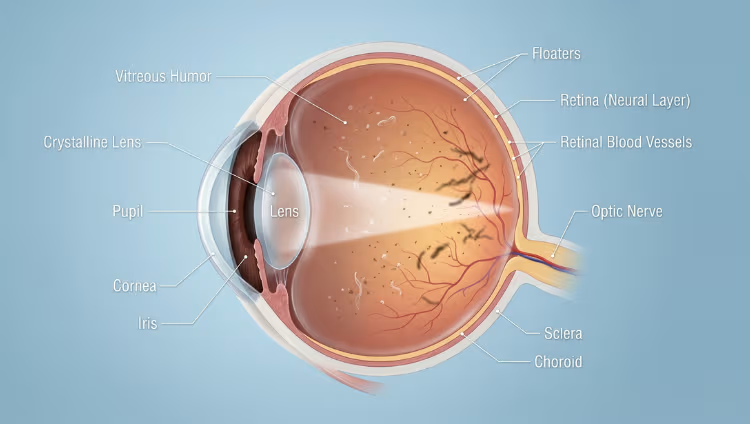
Most eye floaters are a normal part of getting older. To understand them, imagine your eye is like a small ball filled with a clear, jelly-like substance called the “vitreous.”
When we are young, this jelly is thick and firm. But as we age, the jelly starts to liquefy and shrink. When it shrinks, tiny clumps of protein or collagen form inside the eye. These clumps cast shadows on your retina (the light-sensitive layer at the back of the eye). What you “see” aren’t actually bugs or dust—they are the shadows of these tiny clumps.
Are They Dangerous?
In most cases, floaters are harmless. They are like gray hairs for the eyes—a sign of time passing. Most people get used to them, and the brain eventually learns to ignore them. However, they never truly “go away” on their own; they just settle at the bottom of the eye.
When is Treatment Needed?
Treatment is rarely needed for standard floaters. However, if they become so thick that they block your vision, a procedure might be considered. But before any treatment, a comprehensive eye checkup in Lucknow is necessary to ensure the rest of your eye is healthy.
Are Eye Flashes Dangerous? When Should You Worry
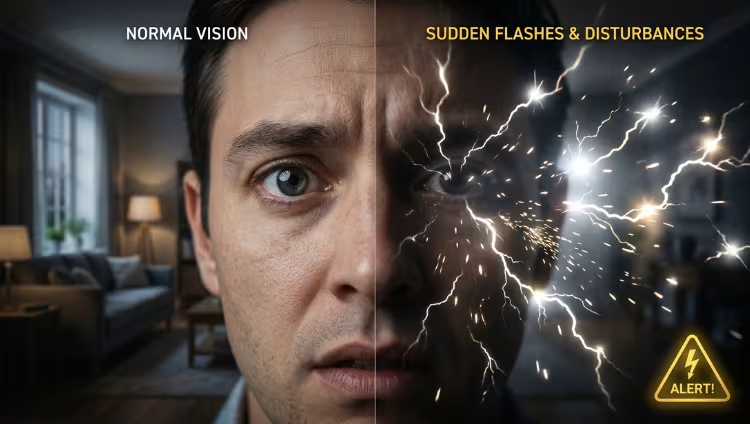
Flashes of light (medically called photopsia) feel like a flicker of lightning or a “spark” in the corner of your eye.
Why Do Flashes Happen?
Flashes occur when the vitreous jelly pulls or rubs against the retina. Think of the retina like a touch-sensitive screen. If the jelly tugs on it, the retina sends a signal to the brain, which the brain interprets as a flash of light.
When to Worry
While occasional flashes can happen as the jelly shifts with age, frequent or constant flashes are a red flag. If the jelly pulls too hard, it can tear the retina. This is a serious condition that requires immediate attention from an expert to receive retina treatment in Lucknow.
Types of Eye Floaters and What They Mean
Not all floaters look the same. Patients often describe them in different ways:
- Small Dots or Specks: These are usually tiny clumps of protein and are the most common type.
- Thread-like Lines: These can look like spider webs or transparent “worms” drifting by. They are usually made of tiny collagen fibers.
- Ring-shaped Floaters: These are often called “Weiss Rings.” They happen when the jelly detaches from the optic nerve. While it sounds scary, it is a common age-related event, but it still requires a professional checkup.
- Cloudy Shadows: If you see a large, dark cloud that doesn’t move, it might be blood or a more serious retinal issue.
Causes of Eye Floaters and Flashes
Understanding the “why” can help ease your mind. Here are the most common causes:
- Aging: This is the #1 cause. By age 50 or 60, most people will have at least a few floaters.
- Nearsightedness (Myopia): People who wear glasses for distance often get floaters at a younger age because their eyeballs are slightly longer, which stretches the jelly inside.
- Eye Injury: A hard blow to the eye can cause the jelly to shift or bleed, leading to sudden floaters.
- Diabetes: High blood sugar can damage the blood vessels in the retina, leading to “diabetic retinopathy,” which can cause floaters due to tiny amounts of bleeding.
- Inflammation: Infections or autoimmune issues can cause inflammation in the back of the eye (uveitis), creating debris that looks like floaters.
When Should You See a Doctor? (Critical Section)

This is the most important part of this guide. While floaters are often normal, they can sometimes be a warning sign of a retinal detachment—a condition where the retina pulls away from the back of the eye. If not treated quickly, this can lead to permanent blindness.
👉 See a doctor immediately if you notice:
- A Sudden Shower of Floaters: If you suddenly see dozens of new spots at once.
- Repeated Flashes of Light: Especially if they are new or getting more intense.
- A “Curtain” or Shadow: If a dark shadow starts moving in from the side, top, or bottom of your vision, as if a curtain is being drawn.
- Blurred Vision: A sudden drop in how clearly you can see.
If you experience any of these, do not wait. Seeking an immediate eye checkup in Lucknow can save your sight. Early diagnosis is the key to successful treatment.
Diagnosis and Treatment Options
When you visit a clinic for these symptoms, what should you expect? As the best eye surgeon in Lucknow, he ensures every patient undergoes a thorough, painless examination.
1. Dilated Eye Exam
We use special eye drops to widen (dilate) your pupils. This allows us to look deep into the back of your eye to check the health of your retina and the vitreous jelly.
2. Laser Treatment
If we find a small “retinal tear,” we can often fix it right in the clinic using a laser. This “welds” the tear shut and prevents it from turning into a full detachment. This is part of providing the Laser treatment in Lucknow.
3. Surgery (Vitrectomy)
In severe cases where the retina has detached or there is a lot of blood in the eye, surgery may be needed to remove the jelly and repair the retina.
Can Eye Floaters Be Prevented?
While you cannot stop the natural aging of your eyes, you can take steps to keep your eyes strong and catch problems early:
- Regular Eye Checkups: If you are over 40 or have high myopia, a yearly eye checkup in Lucknow is vital.
- Manage Health Conditions: Keep your blood pressure and blood sugar under control, as diabetes is a major risk factor for retinal problems.
- Wear Eye Protection: Use safety goggles when playing sports or working with tools to prevent injuries that cause floaters.
Tips to Protect Your Eye Health Daily
Caring for your eyes is a daily habit. Here are some simple tips I share with all my patients:
- Stay Hydrated: Your eyes are mostly water. Drinking enough water helps maintain the consistency of the vitreous jelly.
- Eat “Eye Foods”: Focus on leafy greens (spinach), carrots, and fish rich in Omega-3. These nutrients support the retina.
- The 20-20-20 Rule: To reduce eye strain, every 20 minutes, look at something 20 feet away for 20 seconds.
- Use Proper Lighting: Avoid reading or working in the dark, which can strain your eye muscles.
- Quit Smoking: Smoking increases the risk of almost every eye disease, including those that cause floaters.
FAQs Section
1. Can eye floaters go away on their own?
Floaters don’t actually disappear, but they often settle below your line of vision. Also, your brain is very smart—it eventually learns to ignore them, making them much less noticeable over time.
2. When should I worry about eye floaters and flashes?
You should worry if the symptoms are sudden. One or two old floaters are fine, but a “burst” of new floaters combined with flashes of light is an emergency.
3. What type of doctor should I see for floaters and flashes?
You should see an ophthalmologist or a retina specialist. Someone recognized as the best eye surgeon in Lucknow – Dr. Charu Chaudhary can provide the advanced diagnostic tools needed for an accurate checkup.
4. How long do floaters and flashes last?
Floaters are usually permanent but become less annoying over weeks or months. Flashes caused by the jelly pulling usually stop once the jelly has completely shifted away from the retina (though this process should still be monitored by a doctor).
5. What happens if eye floaters are left untreated?
If the floaters are harmless aging signs, nothing happens. But if they are caused by a retinal tear and left untreated, they can lead to retinal detachment and permanent blindness.
6. Can stress or screen time increase floaters?
Stress and screen time do not “cause” floaters, but they can make you more aware of them. When your eyes are tired or you are focused on a bright screen, you are more likely to notice the shadows drifting in your vision.
Trust Your Vision to the Experts
Your eyes are your window to the world. While most floaters are just a sign of growing older, we can never take our sight for granted. If you notice anything unusual—like a sudden flash of light or a cloud of new spots—it is always better to be safe than sorry.
If you are looking for a reliable, calm, and expert opinion, consult Dr. Charu Chaudhary. Known as the best eye surgeon in Lucknow, she combines advanced technology with a patient-first approach to ensure your eyes stay healthy for years to come.
👉 Don’t ignore the warning signs.
Book your eye checkup in Lucknow today and get access to the best retina treatment in Lucknow. We are here to help you see clearly and live confidently.
Contact us today to schedule your appointment!


Leave A Comment