
 No Comments
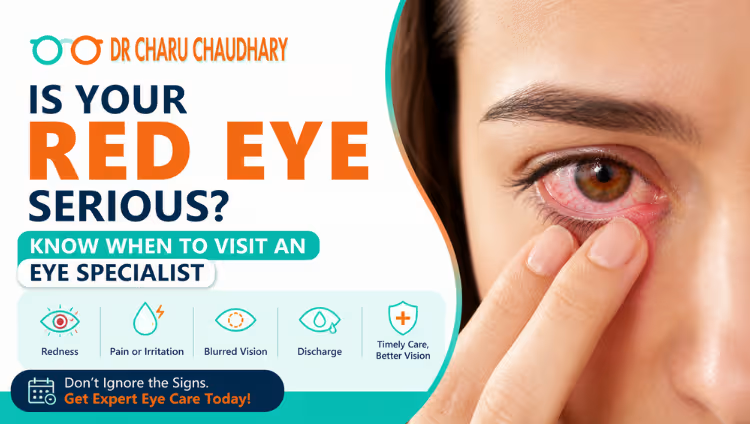
Red eyes are often caused by allergies, dryness, or lack of sleep, but severe pain, blurry vision, light sensitivity, or sudden redness may indicate a serious eye condition. If redness lasts more than a few days or affects only one eye, you should visit an eye specialist for proper evaluation and treatment.
We have all looked in the mirror at some point and seen a “bloodshot” eye staring back. Most of the time, a red eye is just your body’s way of saying you are tired or that the pollen in the air is acting up. It usually goes away with a little rest or a few cooling drops.
However, as an experienced eye specialist, I often see patients who wait too long to seek help. They thought it was “just a red eye,” only to find out it was something that needed urgent medical care.
What Causes Red Eyes?
When the tiny blood vessels on the surface of your eye expand or become inflamed, your eye looks red. There are many reasons why this happens. Some are simple lifestyle issues, while others are medical conditions.
1. Allergies
Allergies are perhaps the most common cause of redness. Dust, pet dander, or seasonal pollen can make your eyes react. Along with redness, you will usually feel a lot of itching and see some watery discharge.
2. Eye Strain
In today’s digital world, we spend hours looking at phones and laptops. This “digital eye strain” makes our eyes work too hard. The muscles get tired, and the surface of the eye becomes dry and red.
3. Dry Eyes
Your eyes need tears to stay healthy and clear. If your tear glands don’t produce enough tears, or if the quality of the tears is poor, your eyes become “dry.” This leads to a constant stinging feeling and a red appearance.
4. Infection (Pink Eye)
Conjunctivitis, commonly known as “pink eye,” is an infection of the thin layer covering the white of your eye. It can be caused by bacteria or a virus. It is very contagious and often comes with a sticky discharge.
5. Lack of Sleep
If you aren’t sleeping well, your eyes aren’t getting the rest they need. This reduces the amount of oxygen reaching your eyes, causing the blood vessels to swell up.
6. Contact Lenses
If you wear contact lenses for too long or don’t clean them properly, they can irritate the eye. Sometimes, a red eye is a sign of a corneal ulcer caused by sleeping in your contact lenses.
When Is a Red Eye Harmless and Temporary?
Not every red eye requires a trip to the clinic. If your eye is slightly red but you feel mostly okay, it might be a temporary issue.
Mild irritation often happens if you get a bit of soap in your eye or if you’ve been in a smoky room. In these cases, the redness usually fades within a few hours.
Seasonal allergies can make your eyes red for a few days, but if you take your usual allergy medicine or use over-the-counter lubricating drops, the redness should improve.
Tiredness is another harmless cause. If you stayed up late finishing a project, your eyes might look bloodshot the next morning. A good night’s sleep and a cold compress usually fix this.
Home Care Tip: If your eye is red but there is no pain and your vision is clear, try resting your eyes and using “artificial tears” (lubricating drops). If it gets better in 24 to 48 hours, you likely don’t have a serious problem.
Warning Signs That Your Red Eye Could Be Serious
This is where we need to be careful. As the best eye surgeon in Lucknow, I tell my patients to watch out for “Red Flags.” If you experience any of the following, please do not wait.
Severe Pain
A “gritty” or “scratchy” feeling is common with dry eyes. But deep, throbbing pain inside the eye is not normal. It could be a sign of high pressure inside the eye (Glaucoma) or deep inflammation (Uveitis).
Blurry Vision
If your vision suddenly becomes cloudy or you see “halos” around lights, your eye is in trouble. This is a sign that the deeper structures of the eye are affected.
Light Sensitivity
Does looking at your phone or a bright window hurt your eyes? Intense light sensitivity is a classic sign of a corneal injury or an internal infection.
Swelling
If your eyelids are swollen or if the white of your eye looks like it is bulging, you need an eye specialist immediately. This could be a sign of a deep tissue infection.
Sudden Redness
If your eye turns deep red (like a pool of blood) in just a few seconds, it might be a burst blood vessel. While often harmless, if it happens along with pain, it is an emergency.
Thick Discharge
Watery eyes are okay. But if you see yellow, green, or thick white discharge that sticks your eyelashes together in the morning, you have an infection that needs prescription drops.
Mild vs Serious Red Eye Symptoms (Quick Comparison Chart)
Use this table to quickly check your symptoms:
| Mild Red Eye Symptoms | Serious Red Eye Symptoms |
| Mild irritation or itchiness | Severe, deep, or throbbing pain |
| Redness in both eyes | Vision changes or sudden blurriness |
| Improves with rest or drops | Persistent redness (more than 2 days) |
| Watery or no discharge | Thick yellow or green discharge |
| Feeling of “sand” in the eye | Sensitivity to light |
| Usually caused by tiredness/allergies | May involve headache or nausea |
One Red Eye Only – Should You Be Worried?
When only one eye is red, it is often more concerning than when both eyes are red.
Burst Blood Vessel: Sometimes, a tiny blood vessel breaks due to a sneeze or heavy lifting. It looks scary—like a bright red patch on the white of your eye—but it usually doesn’t hurt. This is called a subconjunctival hemorrhage.
Infection or Injury: If only one eye is red, painful, and watery, you might have a scratched cornea or a foreign object (like a piece of dust or metal) stuck in there.
Glaucoma: A specific type of glaucoma (Acute Angle Closure) can cause one eye to turn red very quickly. This is a medical emergency because it can cause permanent blindness in hours.
If you have redness in just one eye and it is accompanied by pain or vision loss, please consult Dr Charu Chaudhary or your nearest specialist right away.
Red Eye with Headache or Blurry Vision – Don’t Ignore These Symptoms
If your red eye comes with a headache, it is a major warning sign.
- Eye Pressure Problems: When the pressure inside the eye rises suddenly, it can cause a severe headache on the same side as the red eye. You might also feel nauseous or vomit.
- Migraines: Some people get red eyes during a migraine attack.
- Infections: Serious infections can spread and cause pain that feels like a headache around the brow bone.
In my practice as the best eye surgeon in Lucknow, I treat these cases as emergencies. Blurry vision combined with redness almost always means the cornea or the optic nerve is under stress.
Common Red Eye Treatments Recommended by Eye Specialists
How we treat a red eye depends entirely on the cause. Here is what we usually recommend:
- Lubricating Eye Drops: Also called artificial tears, these help with dryness and irritation.
- Cold Compresses: A clean, cold cloth placed over closed eyelids can reduce swelling and soothe allergy symptoms.
- Antibiotic or Antiviral Drops: If you have an infection like pink eye, you will need prescription-strength drops.
- Allergy Management: We may prescribe antihistamine eye drops to stop the itching and redness.
- Lifestyle Changes: Sometimes, the “cure” is simply taking more breaks from your computer or drinking more water.
A Note on “Redness Relief” Drops: Be careful with over-the-counter drops that promise to “get the red out” instantly. They work by shrinking blood vessels. If you use them too much, your eyes can become addicted to them, leading to “rebound redness” where the eyes get even redder when you stop.
How to Prevent Frequent Eye Redness
Prevention is always better than cure. Here are some simple habits to keep your eyes white and healthy:
- Follow the 20-20-20 Rule: Every 20 minutes, look at something 20 feet away for 20 seconds. This reduces digital eye strain.
- Stay Hydrated: Drinking plenty of water helps your body produce healthy tears.
- Avoid Rubbing Your Eyes: Rubbing can scratch the surface and spread bacteria from your hands to your eyes.
- Maintain Eye Hygiene: Always wash your hands before touching your eyes or handling contact lenses.
- Wear Protective Eyewear: If you work with chemicals or tools, or play sports, wear goggles to prevent injuries.
- Clean Your Lenses: Never sleep in your contact lenses unless they are specifically designed for it, and always use fresh solution.
When Should You Visit the Best Eye Surgeon in Lucknow?
While many eye problems can be handled by a general doctor, certain situations require a specialist. A surgeon has the advanced tools to look deep into the eye and see things a regular exam might miss.
You should book a consultation with Dr Charu Chaudhary, a trusted best eye surgeon in Lucknow, if:
- The redness does not go away after 48 hours of home care.
- You feel like there is something stuck in your eye.
- You are wearing contact lenses and develop a red eye.
- The redness keeps coming back every few weeks.
- You have had eye surgery in the past and now have redness.
A Real-Life Example
I once saw a patient who thought he had a simple “bloodshot eye” from working late. He used some old eye drops he found in his cabinet. Two days later, his vision was so blurry he couldn’t drive. It turned out he had a viral infection that had started to scar his cornea. Because he sought help from a specialist, we were able to save his vision with the right medication. If he had waited another day, the damage might have been permanent.
The Risk of Self-Medication: Never use someone else’s eye drops. Steroid drops, in particular, can be dangerous if used for the wrong type of infection—they can actually make some conditions much worse.
FAQs (Frequently Asked Questions)
When should I go to the doctor for eye redness?
You should see a doctor if you have eye pain, blurry vision, light sensitivity, or if the redness lasts longer than two days.
Is red eye a serious problem?
Usually, it is not serious. However, if it is accompanied by vision loss or severe pain, it can be a sign of a sight-threatening condition like glaucoma or a deep infection.
How many days to cure red eyes?
Mild redness from tiredness or allergies usually clears in 24 hours. Infections like pink eye may take 7 to 10 days to fully resolve with treatment.
Should I be worried if one eye is red?
Yes, redness in only one eye is more likely to be an injury, a localized infection, or an issue with eye pressure. It should be checked by an eye specialist.
What causes one red eye and headache?
This combination can be a sign of acute glaucoma (high eye pressure), a cluster headache, or a serious inflammation called uveitis. You should seek medical help quickly.
My eyes are always red — what should I do?
Chronic redness is often a sign of Chronic Dry Eye Syndrome or Blepharitis (eyelid inflammation). A specialist like Dr Charu Chaudhary can help identify the root cause.
How to cure red eyes immediately?
There is no “instant” cure for the cause, but lubricating drops and a cold compress can soothe the irritation and reduce redness quickly.
Bloodshot eye on one side?
If it’s a bright red patch without pain, it’s likely a burst blood vessel. If the whole eye is red and painful, it needs professional diagnosis.
Redness in one eye without pain?
This is often a subconjunctival hemorrhage (burst vessel) or a mild allergy. If it doesn’t clear in a few days, get it checked.
How to clear red eyes without eye drops?
Rest your eyes, get more sleep, use a cool compress, and stay hydrated. Avoid screens and smoke for a few days.
Sudden bloodshot eye — when is it dangerous?
It is dangerous if you also have sudden vision loss, see “halos” around lights, feel nauseous, or have deep pain.
Conclusion
A red eye is a signal from your body. Most of the time, it’s just a request for more sleep or a break from your screen. But sometimes, it is a warning of something more serious.
By paying attention to “Red Flags” like pain and blurry vision, you can take action to save your sight. Remember, your eyes are delicate. It is always better to have an expert tell you “everything is fine” than to ignore a problem that could lead to permanent damage.
👉 Not every red eye is dangerous, but persistent redness, pain, or blurry vision should never be ignored.
Consult Dr Charu Chaudhary, a trusted best eye surgeon in Lucknow, for expert diagnosis and safe eye care treatment. Your vision is our priority.


Leave A Comment