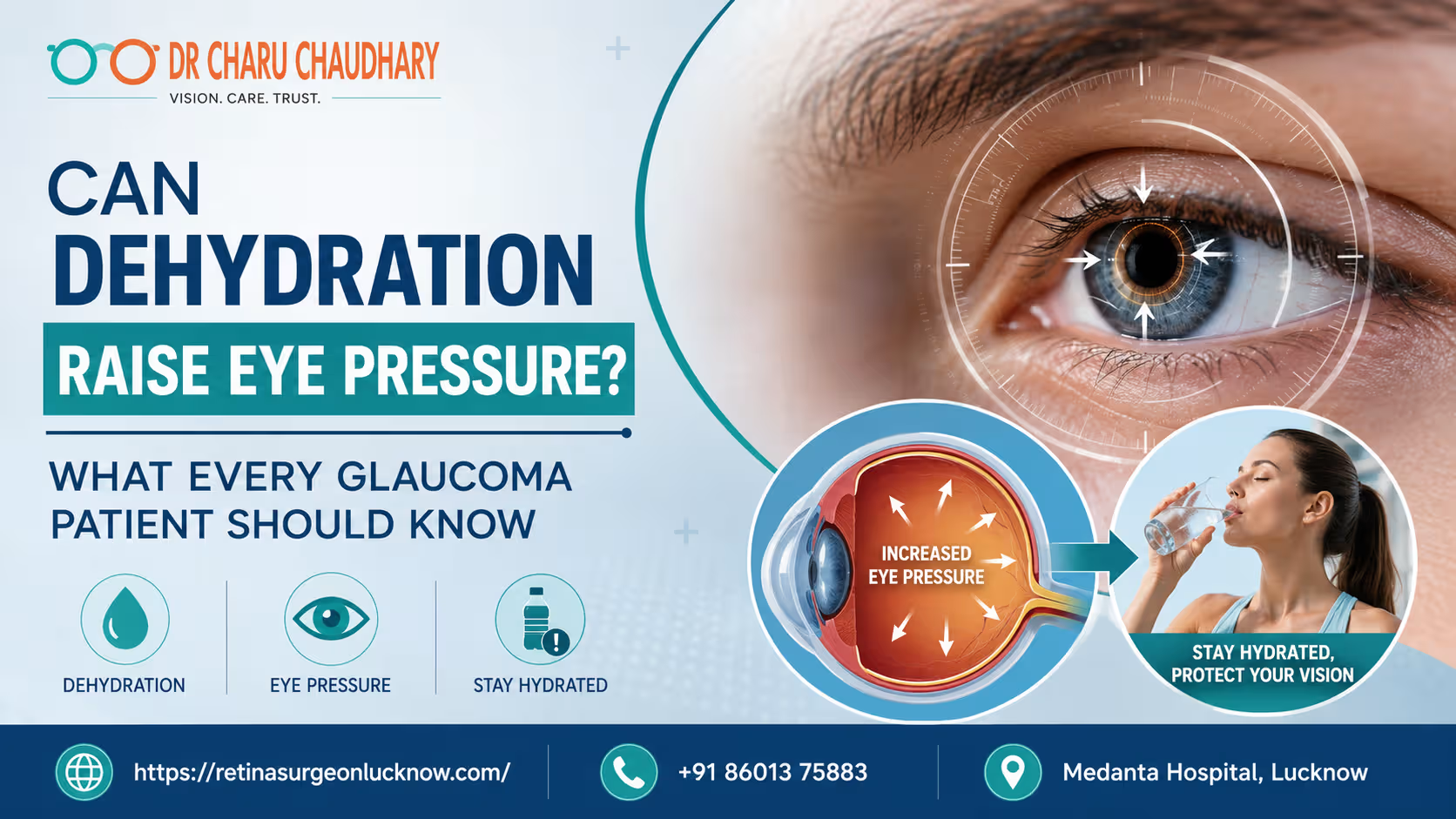
Dehydration may temporarily influence intraocular pressure in some people and can significantly affect overall eye health. While dehydration alone does not usually cause glaucoma, maintaining proper hydration is important for patients already diagnosed with the condition. Fluctuations in body fluids can impact how the eye regulates its internal pressure and supports the optic nerve. Can Not Drinking Enough Water Affect Your Eye Pressure? Maintaining the right fluid balance is vital for your health. Most people know that dehydration affects the heart and kidneys. However, many patients are surprised to learn that it also affects their eyes. For individuals living with glaucoma, understanding the link between hydration and eye pressure is essential. Eye pressure, or intraocular pressure (IOP), is the primary metric used to manage glaucoma. When your body lacks sufficient water, your systemic circulation changes. These changes can impact the delicate structures inside your eye. Consequently, your vision may face unnecessary risks if you ignore your daily water intake. Dr. Charu Chaudhary, an expert in ocular health, emphasizes that hydration is a pillar of preventative care. She often advises that stable fluid levels help maintain a stable environment for the optic nerve. If you are looking for the Best Eye Specialist in Lucknow, finding a professional who looks at your systemic health is key. Why Glaucoma Patients Should Pay Attention to Hydration Glaucoma is often called the “silent thief of sight.” It slowly damages the optic nerve, usually due to high internal eye pressure. Because this condition is so sensitive to pressure changes, even minor fluctuations matter. Proper hydration ensures that the blood flowing to your eyes is rich in oxygen and nutrients. When you are dehydrated, your blood can become more viscous. This change may reduce the efficiency of blood flow to the optic nerve. Therefore, staying hydrated isn’t just about the “pressure number” on a chart. It is about protecting the nerve fibers that allow you to see. Is there a real connection between dehydration and eye health? Medical research suggests that while severe dehydration might actually lower eye pressure slightly, the secondary effects are harmful. Dry eyes, blurred vision, and poor circulation can worsen the overall experience of living with glaucoma. What Is Eye Pressure (Intraocular Pressure)? Intraocular pressure is the fluid pressure inside your eye. Your eye produces a clear fluid called aqueous humor. This fluid nourishes the front part of the eye and maintains its shape. To keep pressure steady, the eye must drain as much fluid as it produces. When the drainage system becomes clogged or inefficient, the fluid builds up. This buildup increases the pressure within the eyeball. Think of it like a balloon being overfilled with water. If the pressure remains too high for too long, it pushes against the back of the eye. How Is Eye Pressure Measured? Eye specialists use a process called tonometry to measure IOP. During an exam, the doctor will use a device to gently touch or blow a puff of air onto the surface of your eye. This measurement is recorded in millimeters of mercury (mmHg). A normal eye pressure range is generally between 12 and 21 mmHg. However, “normal” can vary from person to person. Some people develop glaucoma with low pressure, while others have high pressure without nerve damage. This is why regular monitoring is so crucial for long-term vision. Why Is Eye Pressure Important for Vision? Your optic nerve is the “cable” that connects your eye to your brain. It is made of over a million tiny nerve fibers. High eye pressure compresses these fibers. Over time, the fibers begin to die off, leading to permanent vision loss. Because these fibers do not regenerate, the damage is irreversible. Managing eye pressure is the only proven way to stop or slow the progression of glaucoma. Consistency in your habits, including your water intake, helps keep these pressure levels within a safe range. What Is Glaucoma and How Does It Damage Vision? Glaucoma is a group of eye conditions that lead to optic nerve damage. It is typically categorized by how the fluid drainage system is blocked. The most common form is Open-Angle Glaucoma, where the drainage angle looks open but functions poorly. Another form is Angle-Closure Glaucoma, which can occur suddenly and constitutes a medical emergency. Regardless of the type, the result is often the same: peripheral vision fades first. If left untreated, the damage moves inward, eventually leading to total blindness. High eye pressure is the most significant modifiable risk factor for this disease. By controlling this pressure through medication, surgery, and lifestyle choices, patients can preserve their sight for a lifetime. This is why consulting the Best Eye Surgeon in Lucknow is a vital step for those at risk. Can Dehydration Really Raise Eye Pressure? The relationship between dehydration and eye pressure is complex. In many cases, severe systemic dehydration actually leads to a decrease in intraocular pressure. This happens because the body produces less aqueous humor when it is trying to conserve water. However, the problem arises when the body is in a state of flux. Chronic dehydration can lead to “dry eye” symptoms that mimic or worsen glaucoma discomfort. Furthermore, when a dehydrated person suddenly drinks a massive amount of water, it can cause a temporary spike in eye pressure. What Does Medical Research Say? Research indicates that the body’s “osmolality”—the concentration of particles in your blood—affects the fluid in your eyes. When you are dehydrated, your blood is more concentrated. This can pull fluid out of the eye, lowering pressure. Conversely, “water loading” (drinking a liter of water in under five minutes) is a known test to see if eye pressure will spike. For a glaucoma patient, these rapid shifts are dangerous. Stability is the goal. Therefore, avoiding extreme dehydration is just as important as avoiding rapid over-hydration. Is the Effect Temporary or Long-Term? Most pressure changes related to hydration are temporary. However, the cumulative effect of poor hydration on the optic nerve’s blood supply can be long-term. Your eyes need consistent hydration
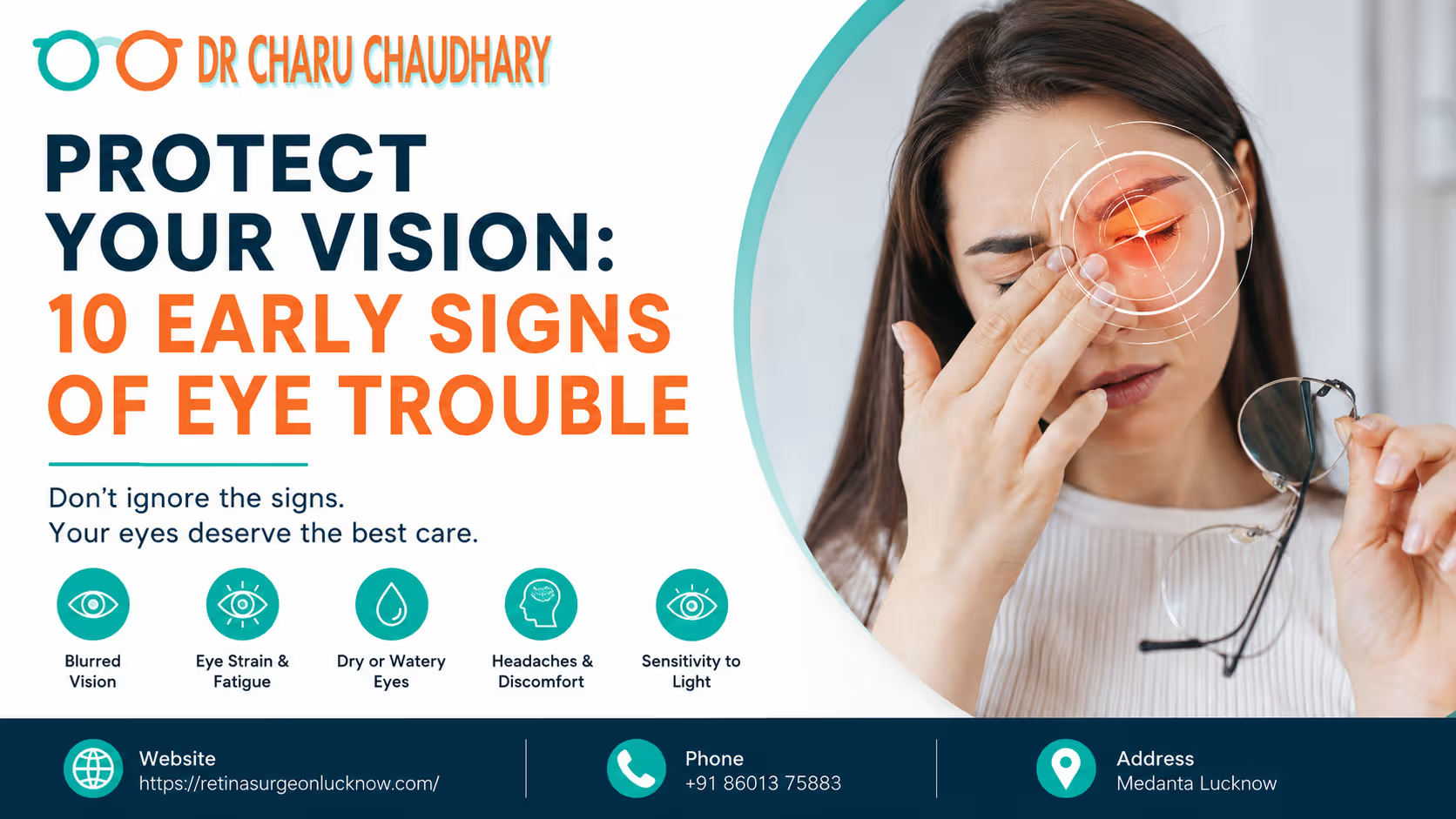
In the busy rhythm of our daily lives, we often take our senses for granted—especially our sight. Our eyes are arguably our most precious sensory organs, processing over 80% of the information we receive from the world around us. However, many of us ignore the subtle “whispers” our eyes send when something is wrong. From a slight blur while reading to a nagging headache after a day at the computer, these early signs of eye problems are often dismissed as mere tiredness or aging. Early signs of eye trouble may include blurry vision, eye pain, redness, floaters, headaches, sensitivity to light, or sudden vision changes. Timely diagnosis and regular eye checkups may help prevent serious vision complications. The reality is that many serious eye conditions, such as glaucoma or macular degeneration, develop silently. They often don’t cause significant pain in their early stages, making it easy to overlook them until permanent damage has occurred. This is why preventive eye care is not just a medical recommendation; it is a necessity for maintaining your quality of life. By understanding the early warning signs and seeking help from an experienced professional, such as Dr. Charu Chaudhary, you can protect your vision for years to come. Recognizing these symptoms early allows for more effective treatments and better long-term outcomes. Why Early Detection of Eye Problems Matters The old saying “prevention is better than cure” holds profound truth in ophthalmology. Early detection is often the only way to halt the progression of diseases that could otherwise lead to irreversible vision loss. Unlike a broken bone that heals or a skin scrape that regenerates, many parts of the eye—such as the optic nerve and the retina—do not have the capacity to repair themselves once they are severely damaged. Regular eye exams serve two primary purposes. First, they ensure that your current vision is as clear as possible, often through corrective lenses. Second, and more importantly, they allow a specialist to look inside the eye to check for signs of systemic health issues. Did you know that an eye exam can sometimes be the first way a doctor detects high blood pressure, diabetes, or even certain types of autoimmune diseases? When you consult the Best Eye specialist in Lucknow, you aren’t just getting a prescription for glasses; you are receiving a comprehensive health screening. Timely intervention can mean the difference between a simple eye drop regimen and a complex surgical procedure later in life. Sign #1 — Blurry Vision Blurry vision is perhaps the most common early sign of eye trouble, but its causes can range from the mundane to the critical. If you find yourself squinting to read street signs or holding your smartphone further away than usual, your eyes are telling you something. Temporary vs. Persistent Blurriness Temporary blurriness can occur due to eye fatigue, excessive screen time, or even dehydration. However, persistent blurriness—where things remain out of focus despite resting—requires professional evaluation. Common Causes If blurriness comes on suddenly in one eye, it should be treated as a medical emergency, as it could indicate a stroke or a retinal detachment. Sign #2 — Persistent Eye Redness We’ve all had bloodshot eyes after a late night or an early morning flight. However, when redness persists or is accompanied by other symptoms, it’s a sign of inflammation or infection. When Redness is a Concern Redness occurs when the tiny blood vessels on the surface of the eye become swollen or inflamed. This can be caused by: If your eyes are red and you also experience discharge, crusting of the eyelids, or a “gritty” feeling as if sand is in your eye, it is time to schedule a consultation. Sign #3 — Eye Pain or Pressure Eye pain is never “normal.” While it can sometimes feel like a dull ache or a sharp poke, it is a significant warning sign that something is amiss. Types of Eye Pain The Pressure Sensation Sometimes, you don’t feel “pain” so much as a feeling of “fullness” or pressure behind the eye. This can be linked to ocular hypertension. If left unchecked, high internal eye pressure can damage the optic nerve. Many patients describe this sensation as a “heaviness” that often correlates with headaches. Persistent pain, especially when moving the eyes, should never be ignored and warrants a visit to a specialist like Dr. Charu Chaudhary. Sign #4 — Sudden Floaters or Flashes Floaters are those specks, dots, or “cobwebs” that seem to drift across your field of vision. Most people have a few, and they are usually harmless remnants of the vitreous (the gel-like substance inside the eye). The Danger Zone While a few floaters are normal, a sudden increase in the number of floaters is a major red flag. If these floaters are accompanied by flashes of light (like lightning streaks or camera flashes) or a “curtain” falling over your vision, you may be experiencing a retinal tear or detachment. This is a critical situation. A detached retina is a medical emergency that can lead to permanent blindness if not treated within hours. If you experience these symptoms, seek the Best Eye specialist in Lucknow immediately. Early diagnosis through a dilated eye exam can save your sight. Common Eye Symptoms vs. Possible Causes To help you understand when to act, refer to the chart below summarizing common symptoms and their potential implications. Symptom Possible Causes When to Seek Help Blurry Vision Immediately if a sudden increase If symptoms are persistent or sudden Redness Allergy, infection, dry eye If accompanied by pain or discharge Floaters/Flashes Vitreous changes, retinal tear Immediately if sudden increase Eye Pain Infection, glaucoma, injury If pain is severe or recurring Dry Eyes Screen strain, aging, environment If lifestyle changes don’t help Light Sensitivity Migraine, inflammation, infection If it interferes with daily activities Note: This chart is for educational purposes. A professional diagnosis from an eye specialist is always required for accurate assessment. Sign #5 — Difficulty Seeing at Night Night blindness (nyctalopia) doesn’t mean you are completely blind at night; rather, it means your vision
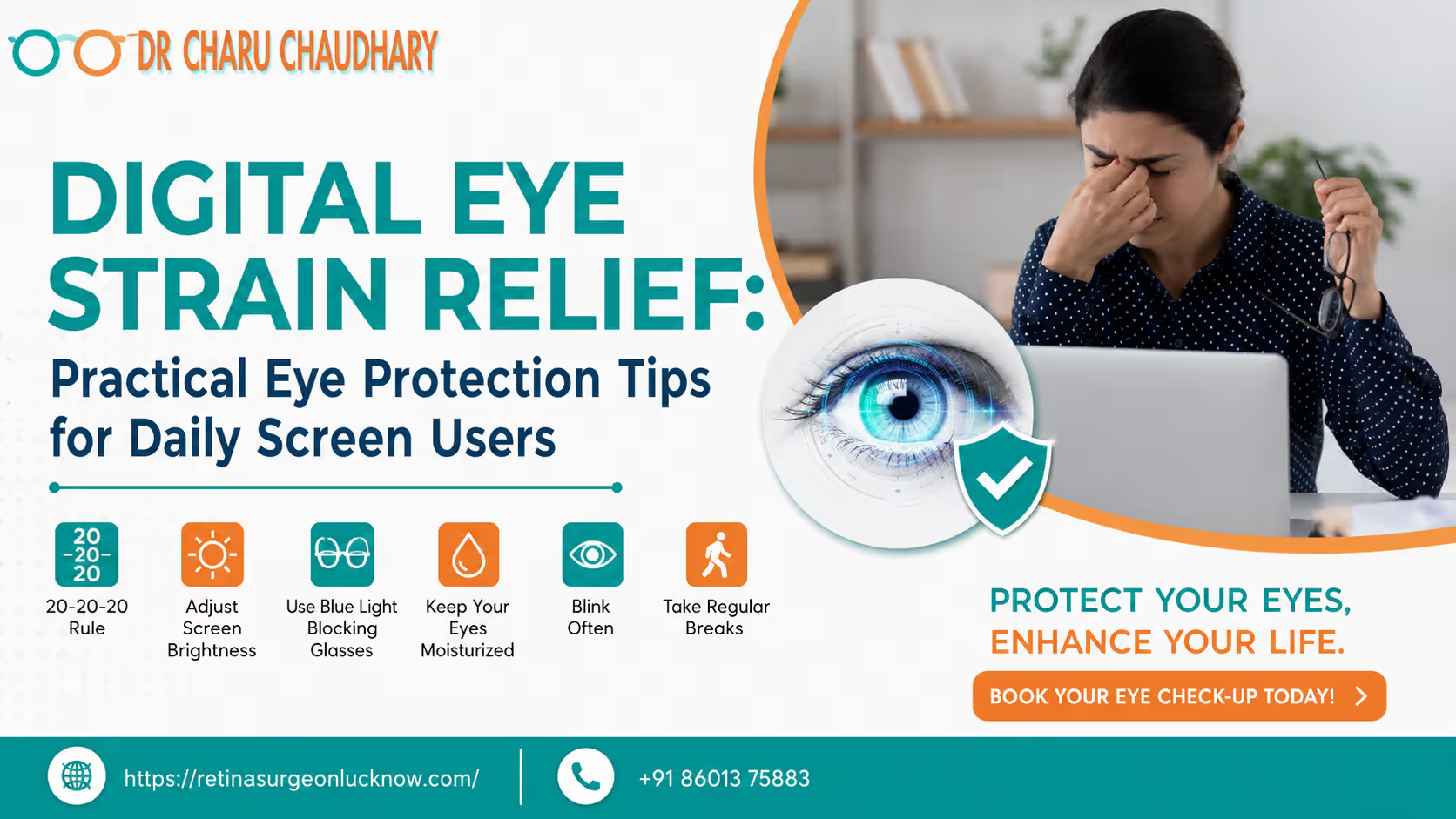
In the modern era, our lives are intrinsically linked to digital displays. From the moment we wake up to the minute we go to bed, we move from smartphones to laptop screens, tablets, and televisions. While this digital revolution has brought immense convenience and connectivity, it has also introduced a significant challenge for our ocular health: eye strain from screens. Whether you are a software professional in Lucknow, a student attending online classes, or someone who enjoys late-night scrolling, your eyes are likely working harder than they ever have before. At the clinic of Dr. Charu Chaudhary, a trusted eye specialist in Lucknow, we have seen a dramatic rise in patients complaining of “tired eyes,” persistent headaches, and dry sensations. These aren’t just minor inconveniences; they are signs that your visual system is being pushed beyond its natural limits. Understanding how to manage this digital fatigue is essential for maintaining long-term vision health and daily productivity. Eye strain from screens can cause dry eyes, headaches, blurry vision, and fatigue due to prolonged digital exposure. Healthy screen habits, regular breaks, proper lighting, and eye care practices may help reduce digital eye strain symptoms. What Is Digital Eye Strain? Digital Eye Strain (DES), often referred to medically as Computer Vision Syndrome (CVS), is a group of eye and vision-related problems that result from prolonged computer, tablet, e-reader, and smartphone use. Unlike reading a printed page, digital screens emit light, flicker slightly, and often have glare. This requires our eye muscles to constantly adjust and refocus, leading to exhaustion. When you look at a screen, your eyes must maintain a specific level of tension to keep the image sharp. This is much like holding a heavy weight at arm’s length; eventually, the muscle begins to ache. Because digital characters are made of pixels rather than solid ink, they have less contrast and “softer” edges, making it even harder for the brain to process the image, further increasing the demand on the visual system. Common Symptoms of Eye Strain from Screens Many people experience symptoms of digital eye strain without realizing the root cause. If you spend more than two hours a day on a device, you may notice: Why Screens Affect Eye Health To protect your vision, it is vital to understand the “why” behind the strain. Several factors contribute to the discomfort we feel after hours of digital usage. 1. The Blinking Problem Under normal circumstances, humans blink about 15–20 times per minute. Blinking spreads a fresh layer of tears across the cornea, keeping it moist and clear. However, when we concentrate on a digital screen, our blink rate drops significantly. This leads to “tear film instability,” where the moisture on the eye evaporates faster than it can be replaced. 2. Blue Light Exposure Digital devices emit High-Energy Visible (HEV) light, commonly known as blue light. While the sun is the largest source of blue light, the proximity of our screens and the duration of exposure are what concern eye specialists. Blue light can scatter more easily, reducing contrast and forcing the eyes to strain to see clearly. Furthermore, exposure to blue light in the evening suppresses melatonin, the hormone responsible for sleep. 3. Glare and Reflections Light reflecting off your screen from overhead lamps or windows creates glare. This forces your eyes to work harder to distinguish the text from the background reflections. 4. Poor Ergonomics The distance and angle at which we hold our devices matter. Laptops are often placed too low, and smartphones are held too close, forcing the eyes into an unnatural inward-turning position (convergence) for long periods. 📊 Digital Eye Strain Symptoms vs. Healthy Eye Habits Understanding the relationship between your habits and your symptoms is the first step toward relief. Use the following chart to identify changes you can make today. Common Problem Possible Cause Healthy Habit Dry Eyes Reduced blinking during screen use Blink consciously and use artificial tears Headache Screen glare and high brightness Adjust brightness and use anti-glare filters Blurry Vision Long focus time at a fixed distance Follow the 20-20-20 rule Eye Fatigue Excessive screen time without rest Take regular 5–10 minute breaks Neck Pain Poor posture (slouching) Use ergonomic seating and monitor stands Note: While these habits significantly reduce discomfort, persistent issues should always be evaluated by a professional like Dr. Charu Chaudhary to rule out underlying refractive errors. Step-by-Step: How to Reduce Eye Strain from Screens Protecting your eyes doesn’t require expensive equipment; it requires consistency. Here is a practical guide to creating a vision-friendly digital environment. Step 1: Follow the 20-20-20 Rule This is the “gold standard” of digital eye care. Every 20 minutes, look at something 20 feet away for at least 20 seconds. This allows the ciliary muscles inside your eye—which are responsible for focusing—to relax. Looking into the distance is like stretching your legs after a long flight; it releases the built-up tension. Step 2: Adjust Screen Brightness and Contrast Your screen should not be a light source that competes with the room. If your screen looks like a glowing light bulb in a dark room, it’s too bright. If it looks dull or grey, it’s too dark. Aim to match the screen’s brightness to the surrounding ambient light. Also, ensure the contrast is high (black text on a white/off-white background is usually best for the eyes). Step 3: Increase Blinking Frequency Post a “Blink!” sticky note on your monitor. Whenever you see it, take three slow, full blinks. This simple act re-lubricates the eye and prevents the burning sensation associated with eye strain from screens. Step 4: Maintain Proper Viewing Distance For desktop and laptop users, the screen should be about an arm’s length (20–28 inches) away from your face. The center of the screen should be about 10–15 degrees below eye level. This positioning reduces the amount of the eyeball exposed to the air, which helps minimize evaporation of the tear film. Step 5: Use Artificial Tears if Recommended If you live in a dry climate (like parts of Uttar Pradesh during summer)