
 No Comments
Digital Screen & Eye Health: Impacts, Treatment & Prevention
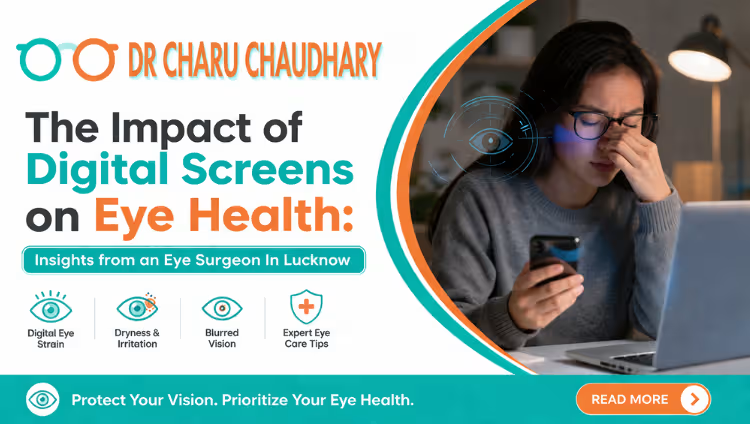
In today’s world, it is almost impossible to imagine a day without screens. Whether it is the smartphone you check first thing in the morning, the laptop you use for work, or the LED TV you watch in the evening, digital devices are everywhere. While these tools make our lives easier, they come with a hidden cost to our most precious sense: our vision.
As an eye surgeon, I have seen a massive rise in patients coming to my clinic with complaints of tired eyes, stinging sensations, and frequent headaches. Many people worry that they are losing their sight when, in fact, they are suffering from the modern-day epidemic of screen-related fatigue. My name is Dr Charu Chaudhary, and as a Best eye specialist in Lucknow, my goal is to help you understand how these devices impact your eyes and what you can do to protect your vision in a digital-first world.
How Digital Screens Affect Your Eyes
To understand why screens are hard on the eyes, we need to look at how our eyes function. Unlike a printed page, which has sharp edges and high contrast, images on a screen are made of thousands of tiny pixels. This makes it harder for our eyes to maintain focus.
Blue Light Exposure
Digital screens emit high-energy visible (HEV) light, commonly known as blue light. While blue light is naturally present in sunlight, our eyes are not designed to stare at a concentrated source of it for hours at a close distance. Excessive exposure to blue light can disrupt our sleep cycles (circadian rhythm) and may contribute to retinal strain over long periods.
Reduced Blinking
Did you know that we normally blink about 15 to 20 times per minute? Blinking is essential because it spreads a fresh layer of tears over the surface of the eye, keeping it moist and clear. However, research shows that when we look at screens, our blink rate drops by more than 50%. This “staring” effect causes the tear film to evaporate quickly, leading to dryness and irritation.
Eye Muscle Strain
Our eyes have tiny muscles that help us focus on objects up close. When you spend hours looking at a phone or computer, these muscles remain in a state of constant contraction. Just like your legs would ache after a long run, your eye muscles become exhausted, leading to what we call “accommodative fatigue.”
What Is Digital Eye Strain?

If you spend more than two hours a day on a digital device, you are at a high risk of developing digital eye strain. This condition is a group of eye and vision-related problems that result from prolonged computer, tablet, e-reader, and cell phone use.
In the medical community, we often refer to this as Computer Vision Syndrome. It is not a single disease but a collection of symptoms caused by the physical stress of digital interaction. As a Best eye specialist in Lucknow, I often explain to my patients that computer vision syndrome occurs because the demands placed on the eyes by the screen exceed the eyes’ ability to comfortably perform the task.
Common Symptoms You Should Never Ignore

Many people dismiss eye discomfort as a normal part of working hard. However, ignoring these signs can lead to chronic issues. If you experience the following, your eyes are crying out for help:
- Dry eyes: A feeling of grittiness, as if there is sand in your eyes.
- Headaches: Usually felt behind the eyes or around the forehead after screen use.
- Burning sensation: Redness and stinging that make you want to keep your eyes closed.
- Blurry vision: Difficulty focusing on distant objects after looking at a screen.
Does digital eye strain cause blurry vision?
Yes, it certainly does. When your eye muscles are overworked from staring at a close-up screen, they can “lock” into that position. When you look up at a wall or out the window, your eyes struggle to relax and refocus, making things look fuzzy. This is usually temporary, but it is a clear sign of strain.
Can Looking at Screens Damage Eyes Permanently?
This is the most common question I get at my practice in Lucknow. Patients ask, “Does looking at screens affect eyesight permanently?”
The good news is that for most adults, digital eye strain does not cause permanent vision loss or eye diseases like glaucoma or cataracts. The discomfort is usually temporary and improves once you rest your eyes.
However, the answer is slightly different for children. Is digital eye strain dangerous? For kids, excessive screen time is linked to the development of myopia (nearsightedness). Because a child’s eye is still growing, spending too much time on close-up work and not enough time outdoors can cause the eyeball to lengthen, leading to a permanent need for glasses.
For adults, while the damage isn’t usually “permanent” in terms of blindness, chronic strain can lead to severe dry eye disease, which requires long-term medical management.
How Much Screen Time Is Safe for Your Eyes?
In a perfect world, we would all limit our screen time to a few hours. But in reality, many of us work 8-hour shifts on computers. So, how much screen time is healthy for the eyes in a day?
- For Adults: There isn’t a “magic number,” but the consensus is that recreational screen time (outside of work) should be limited to less than 2 hours.
- For Children (2–5 years): No more than 1 hour of high-quality programming per day.
- For Infants (under 2): Avoid screens entirely, except for video chatting with family.
The “safety” of screen time depends more on how you use it than on total hours. Frequent breaks are more important than the total duration.
Best Ways to Prevent and Treat Digital Eye Strain
Prevention is always better than a cure. If you must use screens, follow these expert tips for digital eye strain treatment and prevention:
- The 20-20-20 Rule: This is the golden rule of eye care. Every 20 minutes, look at something 20 feet away for at least 20 seconds. This allows your eye muscles to relax.
- Proper Lighting: Avoid working in a dark room with a bright screen. Ensure the room light is balanced with your screen brightness to reduce glare.
- Adjust Your Setup: Your screen should be about 20 to 28 inches away from your eyes (roughly arm’s length). The center of the screen should be about 4 to 5 inches below your eye level.
- Blink Consciously: Make a mental effort to blink more often. You can even put a “Blink!” sticky note on your monitor.
- Use Artificial Tears: Over-the-counter lubricating eye drops can help keep your eyes moist. However, always consult an expert before choosing a brand.
When Should You Visit an Eye Specialist in Lucknow?
If you have tried the 20-20-20 rule and adjusted your lighting, but your eyes still hurt, it is time for a professional check-up. Persistent symptoms like double vision, severe redness, or localized pain should never be ignored.
When symptoms become chronic, I recommend you consult Dr Charu Chaudhary. As a Best eye specialist in Lucknow, I perform comprehensive eye exams to rule out underlying issues like uncorrected refractive errors or tear duct problems. Sometimes, a simple pair of “computer glasses” with a specific tint or anti-reflective coating can make a world of difference.
What Recent Research Says About Digital Eye Strain
In any recent digital eye strain research paper, the statistics are alarming. Studies show that since 2020, the average person’s screen time has increased by nearly 50%. This has led to a global phenomenon called “Digital Fatigue.”
Research highlights that office workers are now reporting higher levels of neck and shoulder pain alongside eye strain, as the two are often linked by poor posture. Furthermore, research in pediatric ophthalmology suggests that “outdoor time” is the best “antidote” to screen time. Just 40 minutes of sunlight a day can significantly reduce the risk of children developing myopia.
A Real-Life Example: Rahul’s Story
Rahul, a 30-year-old software engineer in Lucknow, came to me complaining of “heavy eyes” and daily evening headaches. He was worried he had a brain tumor or was going blind. After a thorough exam, I found that he had healthy eyes but was suffering from severe computer vision syndrome due to 12-hour workdays.
We adjusted his workstation, prescribed lubricating drops, and taught him the 20-20-20 rule. Within two weeks, his headaches vanished. Rahul didn’t need surgery; he just needed expert guidance on how to live in a digital world.
FAQs
What is digital eye strain?
It is a group of vision-related symptoms, such as dryness, fatigue, and blurred vision, caused by prolonged use of digital devices like phones and computers.
Does looking at screens affect eyesight permanently?
For most adults, it causes temporary discomfort. However, in children, excessive screen time can contribute to the permanent development of nearsightedness (myopia).
What are digital eye strain symptoms?
Common symptoms include dry eyes, headaches, burning sensations, blurry vision, and neck or shoulder pain.
What is Computer Vision Syndrome?
This is the medical term for digital eye strain. it describes the physical stress and vision problems that occur from spending hours on a computer without breaks.
How much screen time is healthy for the eyes in a day?
While work is often unavoidable, experts recommend limiting recreational screen time to under 2 hours and ensuring kids get plenty of outdoor time.
Is digital eye strain dangerous?
It is not “dangerous” in terms of causing blindness, but it can lead to chronic dry eye disease and significantly reduce your productivity and quality of life.
Does digital eye strain cause blurry vision?
Yes. Overworked eye muscles struggle to refocus when you look away from the screen, leading to temporary blurring of vision.
Conclusion
Digital screens are a part of our modern life, and we cannot hide from them. However, we can change how we interact with them. By understanding the causes of strain—like blue light and reduced blinking—and following simple habits like the 20-20-20 rule, you can protect your sight for years to come.
Your eyes are your window to the world. Don’t let a screen blur that view. If you are struggling with persistent eye fatigue or discomfort, it is time to seek professional help.
👉 Don’t ignore eye strain caused by excessive screen time.
Consult Dr Charu Chaudhary, a trusted Best eye specialist in Lucknow, for expert eye care and digital vision protection. Whether you need a routine check-up or specialized treatment for computer vision syndrome, we are here to help you see clearly in the digital age.


Leave A Comment