
 No Comments
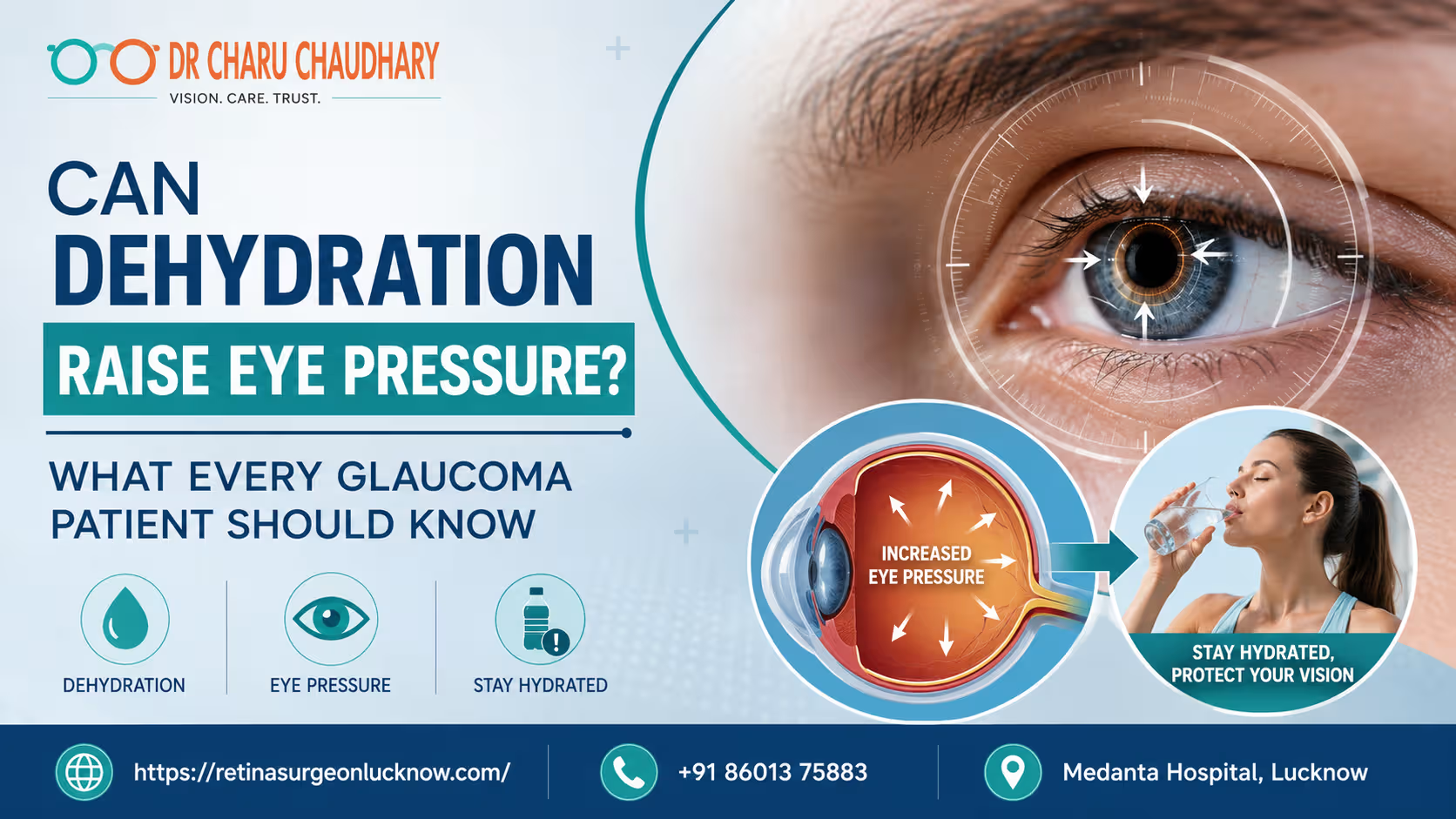
Dehydration may temporarily influence intraocular pressure in some people and can significantly affect overall eye health. While dehydration alone does not usually cause glaucoma, maintaining proper hydration is important for patients already diagnosed with the condition. Fluctuations in body fluids can impact how the eye regulates its internal pressure and supports the optic nerve.
Can Not Drinking Enough Water Affect Your Eye Pressure?
Maintaining the right fluid balance is vital for your health. Most people know that dehydration affects the heart and kidneys. However, many patients are surprised to learn that it also affects their eyes. For individuals living with glaucoma, understanding the link between hydration and eye pressure is essential.
Eye pressure, or intraocular pressure (IOP), is the primary metric used to manage glaucoma. When your body lacks sufficient water, your systemic circulation changes. These changes can impact the delicate structures inside your eye. Consequently, your vision may face unnecessary risks if you ignore your daily water intake.
Dr. Charu Chaudhary, an expert in ocular health, emphasizes that hydration is a pillar of preventative care. She often advises that stable fluid levels help maintain a stable environment for the optic nerve. If you are looking for the Best Eye Specialist in Lucknow, finding a professional who looks at your systemic health is key.
Why Glaucoma Patients Should Pay Attention to Hydration
Glaucoma is often called the “silent thief of sight.” It slowly damages the optic nerve, usually due to high internal eye pressure. Because this condition is so sensitive to pressure changes, even minor fluctuations matter. Proper hydration ensures that the blood flowing to your eyes is rich in oxygen and nutrients.
When you are dehydrated, your blood can become more viscous. This change may reduce the efficiency of blood flow to the optic nerve. Therefore, staying hydrated isn’t just about the “pressure number” on a chart. It is about protecting the nerve fibers that allow you to see.
Is there a real connection between dehydration and eye health? Medical research suggests that while severe dehydration might actually lower eye pressure slightly, the secondary effects are harmful. Dry eyes, blurred vision, and poor circulation can worsen the overall experience of living with glaucoma.
What Is Eye Pressure (Intraocular Pressure)?
Intraocular pressure is the fluid pressure inside your eye. Your eye produces a clear fluid called aqueous humor. This fluid nourishes the front part of the eye and maintains its shape. To keep pressure steady, the eye must drain as much fluid as it produces.
When the drainage system becomes clogged or inefficient, the fluid builds up. This buildup increases the pressure within the eyeball. Think of it like a balloon being overfilled with water. If the pressure remains too high for too long, it pushes against the back of the eye.
How Is Eye Pressure Measured?
Eye specialists use a process called tonometry to measure IOP. During an exam, the doctor will use a device to gently touch or blow a puff of air onto the surface of your eye. This measurement is recorded in millimeters of mercury (mmHg).
A normal eye pressure range is generally between 12 and 21 mmHg. However, “normal” can vary from person to person. Some people develop glaucoma with low pressure, while others have high pressure without nerve damage. This is why regular monitoring is so crucial for long-term vision.
Why Is Eye Pressure Important for Vision?
Your optic nerve is the “cable” that connects your eye to your brain. It is made of over a million tiny nerve fibers. High eye pressure compresses these fibers. Over time, the fibers begin to die off, leading to permanent vision loss.
Because these fibers do not regenerate, the damage is irreversible. Managing eye pressure is the only proven way to stop or slow the progression of glaucoma. Consistency in your habits, including your water intake, helps keep these pressure levels within a safe range.
What Is Glaucoma and How Does It Damage Vision?
Glaucoma is a group of eye conditions that lead to optic nerve damage. It is typically categorized by how the fluid drainage system is blocked. The most common form is Open-Angle Glaucoma, where the drainage angle looks open but functions poorly.
Another form is Angle-Closure Glaucoma, which can occur suddenly and constitutes a medical emergency. Regardless of the type, the result is often the same: peripheral vision fades first. If left untreated, the damage moves inward, eventually leading to total blindness.
High eye pressure is the most significant modifiable risk factor for this disease. By controlling this pressure through medication, surgery, and lifestyle choices, patients can preserve their sight for a lifetime. This is why consulting the Best Eye Surgeon in Lucknow is a vital step for those at risk.
Can Dehydration Really Raise Eye Pressure?
The relationship between dehydration and eye pressure is complex. In many cases, severe systemic dehydration actually leads to a decrease in intraocular pressure. This happens because the body produces less aqueous humor when it is trying to conserve water.
However, the problem arises when the body is in a state of flux. Chronic dehydration can lead to “dry eye” symptoms that mimic or worsen glaucoma discomfort. Furthermore, when a dehydrated person suddenly drinks a massive amount of water, it can cause a temporary spike in eye pressure.
What Does Medical Research Say?
Research indicates that the body’s “osmolality”—the concentration of particles in your blood—affects the fluid in your eyes. When you are dehydrated, your blood is more concentrated. This can pull fluid out of the eye, lowering pressure.
Conversely, “water loading” (drinking a liter of water in under five minutes) is a known test to see if eye pressure will spike. For a glaucoma patient, these rapid shifts are dangerous. Stability is the goal. Therefore, avoiding extreme dehydration is just as important as avoiding rapid over-hydration.
Is the Effect Temporary or Long-Term?
Most pressure changes related to hydration are temporary. However, the cumulative effect of poor hydration on the optic nerve’s blood supply can be long-term. Your eyes need consistent hydration to maintain the health of the retinal ganglion cells.
| Fact vs. Myth: Hydration and Glaucoma | |
| Myth | Fact |
| Drinking more water “washes out” glaucoma. | Water intake supports health but does not cure glaucoma. |
| Dehydration always makes eye pressure go up. | Dehydration often lowers pressure but harms the optic nerve. |
| Glaucoma patients should avoid drinking water. | Patients must stay hydrated but should drink in small intervals. |
| Only eye drops affect eye pressure. | Diet, hydration, and exercise also influence eye pressure. |
How Dehydration Affects the Eyes
Beyond the pressure readings, dehydration causes a cascade of ocular issues. The most common side effect is a reduction in tear production. Tears are necessary for clear vision and for protecting the surface of the eye from infection.
When you are dehydrated, the film of moisture on your eye evaporates more quickly. This leads to what we call “Dry Eye Syndrome.” For glaucoma patients who already use medicated eye drops, this dryness can lead to severe stinging, burning, and redness.
Blurred Vision and Eye Fatigue
Have you ever noticed your vision getting “fuzzy” after a long day in the sun? That might be dehydration. Lack of water affects the lens and the cornea’s ability to focus. This can make your glaucoma-related vision changes feel much worse than they actually are.
Eye fatigue is also common. Your eye muscles require proper electrolytes and water to function without strain. When you are low on fluids, these muscles tire easily. This leads to headaches and a feeling of heaviness behind the eyes.
Why Are Glaucoma Patients More Vulnerable?
Glaucoma patients are often on medications that act as diuretics or affect blood flow. Additionally, the aging process naturally reduces the body’s ability to retain water. Many patients do not realize they are thirsty until they are already dehydrated.
Dr. Charu Chaudhary points out that some glaucoma drops can actually irritate the surface of the eye. If the patient is also dehydrated, this irritation becomes magnified. Staying hydrated provides a “buffer” that makes glaucoma treatments more tolerable and effective.
Does Hydration Help Protect the Optic Nerve?
Yes, hydration is essential for neuroprotection. The optic nerve relies on a steady supply of blood to stay alive. Dehydration can lead to lower blood pressure (hypotension), which sounds good but is actually risky for glaucoma.
If your blood pressure drops too low, especially at night, the “perfusion pressure” to your eye decreases. This means the optic nerve isn’t getting enough blood. Maintaining a healthy balance of water and salt helps ensure that your eyes are always “fed” by your circulatory system.
Symptoms of Dehydration You Should Never Ignore
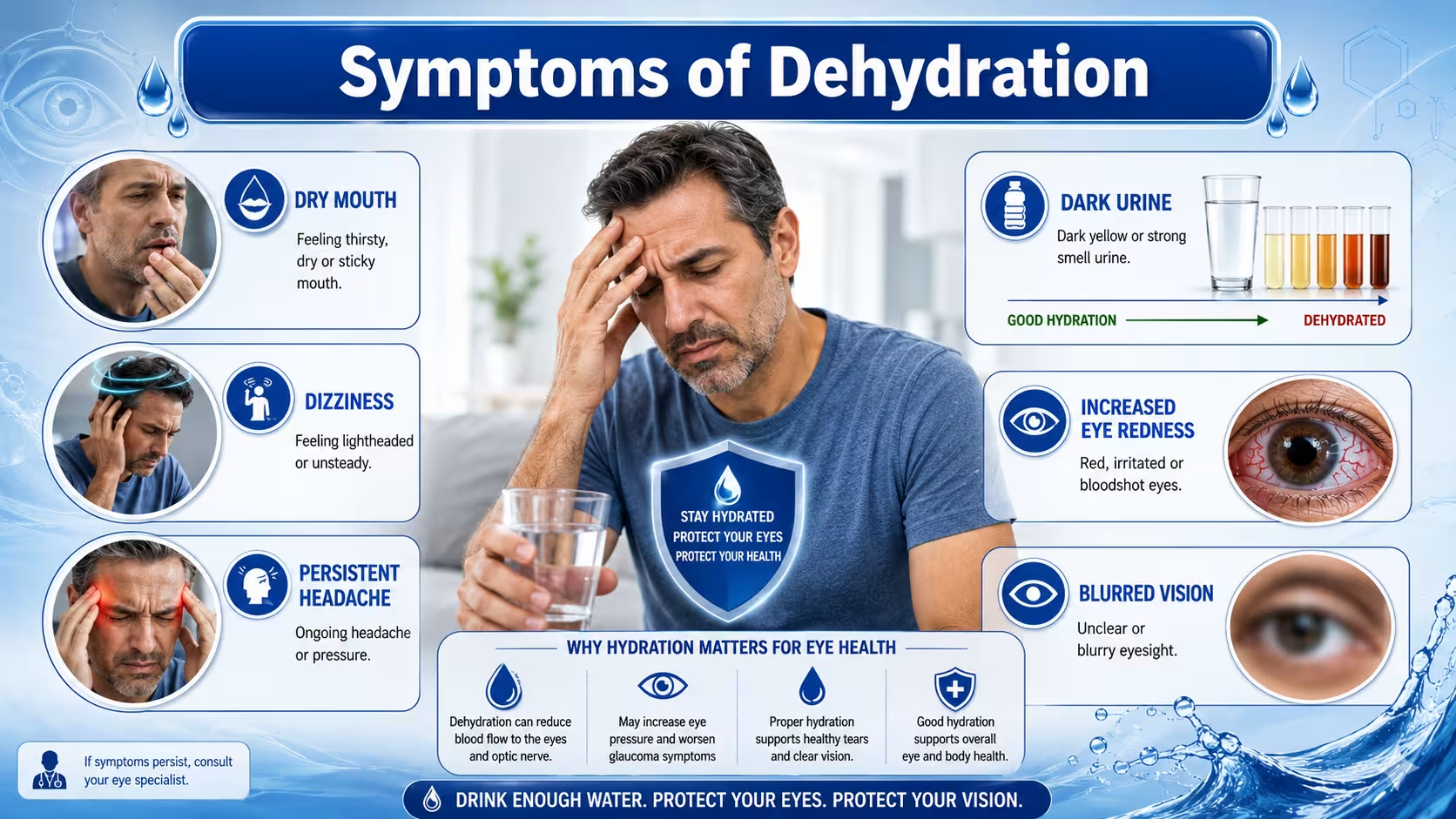
It is important to recognize the signs of dehydration before they affect your vision. Many patients mistake these symptoms for simple tiredness or age-related changes.
Symptom Checklist for Glaucoma Patients:
- Dry Mouth: A sticky or dry feeling in the mouth is the first sign.
- Dark Urine: Your urine should be pale yellow; dark amber indicates a need for water.
- Dizziness: Feeling lightheaded when standing up can signal low blood volume.
- Persistent Headache: Dehydration often causes “tension-style” headaches around the temples.
- Increased Eye Redness: Lack of tears leads to chronic irritation.
- Blurred Vision: Fluctuating clarity that improves after drinking water.
Can Drinking Too Much Water Also Affect Eye Pressure?
While we focus on dehydration, the opposite can also be true. “Water loading” can be problematic for glaucoma patients. If you drink a very large volume of water (like 32 ounces) in a very short time, your eye pressure can spike by several points.
This happens because the sudden influx of fluid increases the volume of blood and interstitial fluid rapidly. For someone with a compromised drainage system, the eye cannot keep up. It is much safer to drink smaller amounts of water consistently throughout the day.
How Should Glaucoma Patients Stay Hydrated?
The best strategy is “slow and steady.” Instead of drinking two large glasses of water twice a day, try carrying a reusable bottle. Take small sips every 20 to 30 minutes. This prevents the “spike” in pressure and keeps your body’s fluid levels consistent.
If you are active or live in a hot climate like Lucknow, you may need more than the standard eight glasses. Pay attention to your body’s signals. If you are thirsty, you are likely already slightly dehydrated.
Who Is at Greater Risk of Dehydration-Related Eye Problems?
Certain groups must be extra vigilant about their fluid intake. Older adults have a diminished “thirst reflex,” meaning they don’t feel thirsty even when their body needs water. This makes them a high-risk group for dehydration-induced eye strain.
People with diabetes are also at risk. High blood sugar causes the body to pull fluid from the tissues to flush out glucose, leading to systemic dehydration. Furthermore, athletes and outdoor workers in hot environments lose significant fluids through sweat, which can impact their IOP stability.
If you fall into these categories, consulting the Best Eye Specialist in Lucknow can help you create a personalized hydration and eye care plan. Specialists like Dr. Charu Chaudhary can help you balance your medications with your lifestyle needs.
How Can You Maintain Healthy Eye Pressure Naturally?
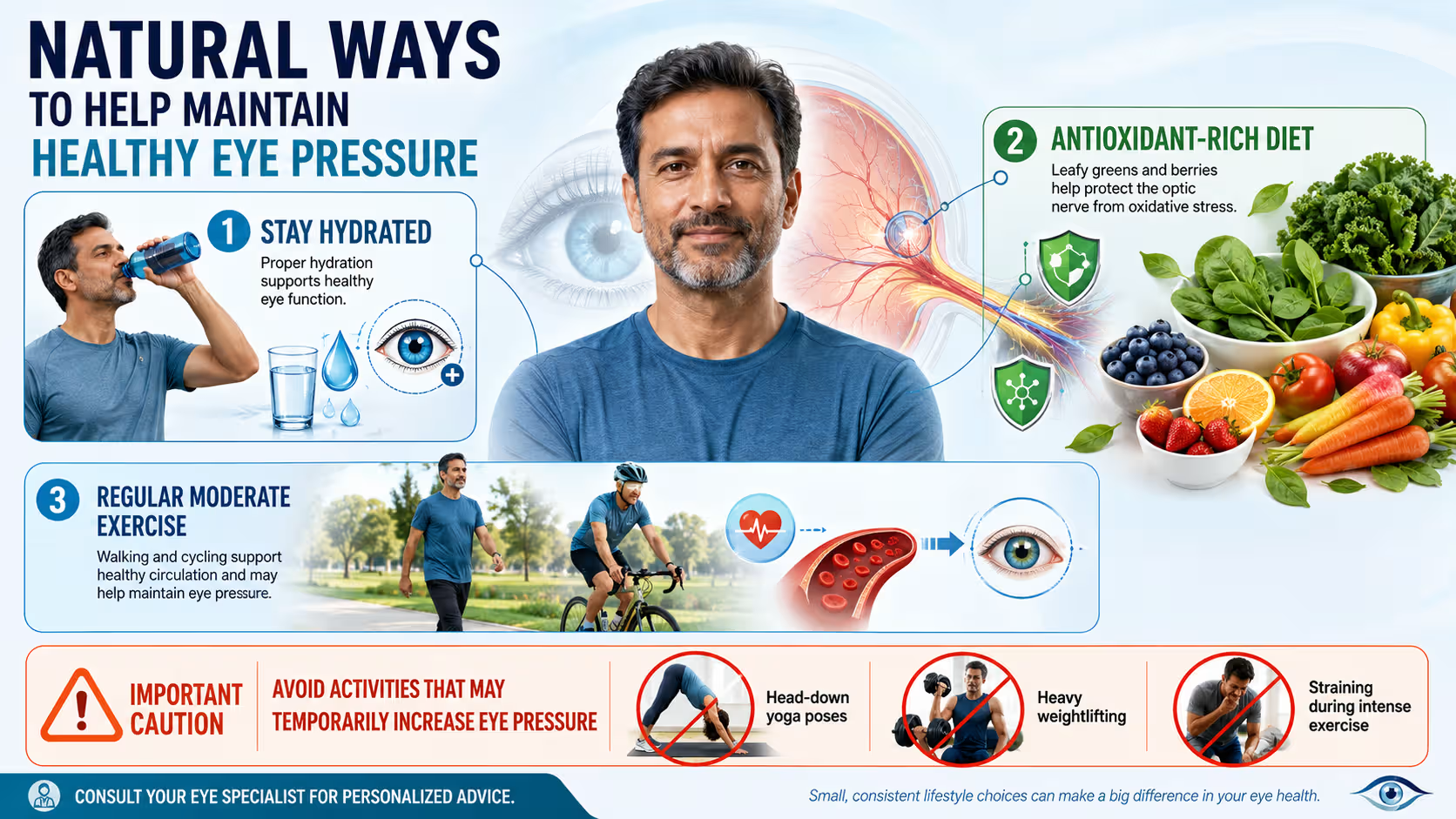
While medication is the cornerstone of glaucoma treatment, lifestyle choices support your success. Staying hydrated is the first step. The second is a diet rich in antioxidants. Foods like spinach, kale, and berries protect the optic nerve from oxidative stress.
Regular, moderate exercise can also help lower intraocular pressure. Activities like brisk walking or cycling improve blood flow to the head and eyes. However, avoid “head-down” yoga poses or heavy weightlifting, as these can cause temporary spikes in eye pressure.
What Foods and Drinks Support Eye Health?
Hydration doesn’t just come from a water bottle. Many fruits and vegetables are over 90% water and provide essential vitamins.
| Nutrition for Eye Health | |
| Food Category | Benefits for Glaucoma |
| Leafy Greens (Spinach) | High in nitrates which may improve blood flow. |
| Fatty Fish (Salmon) | Omega-3s help reduce inflammation and dry eye. |
| Citrus Fruits | Vitamin C supports the health of eye blood vessels. |
| Watermelon/Cucumber | Excellent sources of “structured” hydration. |
| Nuts and Seeds | Vitamin E protects cells from free radical damage. |
Should You Limit Caffeine?
Caffeine is a mild diuretic, meaning it can contribute to dehydration. More importantly, studies show that high doses of caffeine can cause a temporary increase in eye pressure. If you love your coffee, try to limit it to one or two cups a day and follow each cup with a glass of water.
When Should You See an Eye Specialist?
If you experience sudden vision changes, you should seek help immediately. While dehydration can cause minor blurring, it should not cause a total “blackout” or “halos” around lights. These can be signs of an acute glaucoma attack.
Severe eye pain accompanied by nausea or a “rock-hard” feeling in the eyeball is a medical emergency. Dr. Charu Chaudhary advises that patients should never wait to see if the pain “goes away on its own.” Early intervention is the only way to save the optic nerve during a pressure spike.
Expert Insights from Dr. Charu Chaudhary
Dr. Charu Chaudhary, an experienced Best Eye Specialist in Lucknow, advises glaucoma patients to maintain healthy hydration as part of their daily routine. She notes that “While drinking water won’t cure glaucoma, dehydration certainly makes the eye more vulnerable to the effects of high pressure.”
She emphasizes that proper hydration is only one part of the puzzle. Regular eye pressure monitoring matters more than guesswork. You cannot “feel” your eye pressure; only a professional exam can tell you if your treatment plan is working. Staying consistent with your prescribed eye drops is the most important thing you can do for your vision.
Common Myths About Dehydration and Glaucoma
There is a lot of misinformation online regarding natural “cures” for glaucoma. It is important to separate fact from fiction to protect your sight.
Myth: Drinking more water will wash out the “clogged” drains in the eye.
Fact: The drainage system in the eye is microscopic and structural. Extra water will not “flush” it out like a pipe.
Myth: If I don’t feel thirsty, my eyes are fine.
Fact: The eyes can suffer from dehydration effects (like dry eye) even before you feel systemic thirst.
Myth: Eye drops alone are enough; I don’t need to worry about diet or water.
Fact: Eye drops manage pressure, but your general health determines how resilient your optic nerve is to that pressure.
Key Takeaways for Glaucoma Patients
- Dehydration Can Affect Overall Eye Health: It leads to dry eyes and poor circulation.
- Avoid “Water Loading”: Drink water in small, frequent amounts to avoid pressure spikes.
- Stability is Key: Your eyes thrive on consistent fluid levels.
- Follow Your Meds: Hydration is a supplement to, not a replacement for, glaucoma medication.
- Regular Checkups: See your specialist in Lucknow at least twice a year.
Conclusion
In summary, dehydration may temporarily influence eye pressure in some individuals, but it is not usually the sole cause of glaucoma. However, for those already diagnosed, staying hydrated is a vital part of supporting the health of the optic nerve and the surface of the eye.
Staying hydrated supports your general well-being and ensures your eyes have the nutrients they need. Glaucoma patients should never stop their medications or rely solely on hydration for treatment. Early diagnosis and regular monitoring by an expert remain the best ways to protect your vision from permanent loss.
If you have concerns about your eye pressure or are experiencing symptoms of dry eye and glaucoma, consult Dr. Charu Chaudhary. As a leading Best Eye Specialist in Lucknow, she provides personalized care and advanced diagnostics to help you maintain your vision for years to come.
FAQs
Can dehydration increase eye pressure?
Dehydration typically causes a slight decrease in intraocular pressure because the body produces less aqueous humor. However, it can cause significant eye irritation, blurred vision, and strain. The real danger for glaucoma patients is “rehydration spikes,” where drinking large amounts of water too quickly causes a temporary rise in eye pressure.
Does drinking water reduce glaucoma?
Drinking water is essential for overall health, but it does not reduce or “cure” glaucoma. Glaucoma is a structural issue with the eye’s drainage system.
Can dehydration worsen glaucoma symptoms?
Yes, dehydration can worsen the experience of glaucoma. It often leads to Dry Eye Syndrome, which causes stinging and redness—symptoms often exacerbated by glaucoma medications.
How much water should glaucoma patients drink?
Most adults should aim for about 2 to 3 liters of water per day, depending on activity level and climate. The key for glaucoma patients is to spread this intake throughout the day.
What are the early symptoms of glaucoma?
Glaucoma is often asymptomatic in its early stages. As it progresses, you might notice a gradual loss of peripheral (side) vision. In cases of acute angle-closure glaucoma, symptoms include sudden severe eye pain, blurred vision, halos around lights, nausea, and vomiting.
Can dry eyes and glaucoma occur together?
Yes, they very frequently occur together. Many glaucoma medications contain preservatives that can irritate the eye surface. Dehydration further reduces tear production, leading to a “double hit” of dryness.
Should glaucoma patients avoid caffeine?
Glaucoma patients do not need to avoid caffeine entirely, but moderation is advised. Large amounts of caffeine can causes a modest, temporary increase in intraocular pressure.
What is the normal eye pressure range?
The generally accepted “normal” range for intraocular pressure is 12 to 21 mmHg. However, some people have “Normal-Tension Glaucoma,” where damage occurs even within this range.
How often should glaucoma patients get their eyes checked?
Most glaucoma patients should have a comprehensive eye exam every 3 to 6 months. This depends on the stability of their pressure and the severity of their nerve damage.


Leave A Comment