Pressure behind the eyes can feel like heaviness, aching, tightness, or a sensation that something is pushing from inside or around the eyes. Sometimes it is temporary and related to eye strain, sinus congestion, headaches, or fatigue. However, persistent or severe pressure—especially when accompanied by eye pain, redness, blurred vision, halos, nausea, or sudden vision changes—can indicate a condition that needs prompt medical evaluation. Importantly, the feeling of pressure behind the eyes does not always mean that your intraocular pressure (IOP) is high. High eye pressure often causes no noticeable symptoms and can only be identified through an eye examination and pressure measurement. If you frequently experience pressure behind your eyes, understanding the possible causes can help you know when it is time to consult an eye specialist. What Does Pressure Behind the Eyes Feel Like? People may describe eye pressure in different ways, including: The exact symptoms often depend on the underlying cause. Common Causes of Pressure Behind the Eyes 1. Eye Strain and Digital Eye Fatigue Long hours on computers, smartphones, or tablets can cause eye fatigue. Concentrating on a screen may also reduce blinking, contributing to dryness and discomfort. Common symptoms include: Taking regular screen breaks and adjusting screen distance, brightness, and lighting may help. 2. Sinus Congestion or Sinusitis The sinuses are located around the eyes, nose and forehead. Inflammation or congestion can create pressure or aching around these areas. Sinus pressure commonly occurs with colds, allergies, or sinus infections. You may also experience: If severe sinus pressure persists or is associated with significant symptoms, medical evaluation may be appropriate. 3. Migraine or Other Headaches Migraines can cause pain around or behind one eye. Some people also experience: The discomfort may occur even when there is no problem with the eye itself. 4. Dry Eyes Insufficient or poor-quality tears can cause irritation and a sensation of heaviness or pressure around the eyes. Typical symptoms include: Screen use, air conditioning, smoke and environmental factors can aggravate dry-eye symptoms. 5. Ocular Hypertension Ocular hypertension means that the pressure inside the eye is higher than normal without detectable optic nerve damage at that point. A key point is that ocular hypertension generally does not cause noticeable symptoms. It is usually discovered during an eye examination. This is why simply feeling pressure behind your eyes cannot tell you whether your eye pressure is actually elevated. 6. Glaucoma Glaucoma involves damage to the optic nerve. Increased eye pressure is an important risk factor, although glaucoma can also occur when eye pressure is within the usual range. Early glaucoma may have few or no symptoms. As the disease progresses, symptoms can include: Certain forms, particularly acute angle-closure glaucoma, can cause sudden severe symptoms and require immediate treatment. 7. Eye Inflammation or Infection Conditions affecting structures inside or around the eye can cause pain, pressure, redness and light sensitivity. Possible accompanying symptoms include: These symptoms should not be ignored, particularly when vision is affected. 8. Problems Around the Eye Socket Less commonly, inflammation, thyroid-related eye disease, injury, or other conditions affecting tissues behind the eye can produce pressure, discomfort or a feeling of fullness. Bulging of the eye, double vision, reduced vision, swelling, or difficulty moving the eye warrants medical assessment. Pressure Behind the Eyes: Cause vs Typical Symptoms Possible Cause Common Associated Symptoms Urgency Eye strain Tired eyes, headache, dryness Usually low Sinus pressure Blocked nose, facial pressure, headache Usually low–moderate Migraine Headache, nausea, light sensitivity Varies Dry eye Burning, gritty feeling, fluctuating vision Usually low Ocular hypertension Often no symptoms Needs eye evaluation Glaucoma Vision changes, peripheral vision loss Needs evaluation Acute angle-closure glaucoma Severe pain, red eye, halos, nausea Emergency Serious eye inflammation/injury Pain, redness, light sensitivity, blurred vision Prompt evaluation This comparison is educational; symptoms can overlap between conditions, so a proper eye examination is needed for diagnosis. When Is Pressure Behind the Eyes a Warning Sign? Seek urgent medical attention if pressure behind the eye occurs with: Acute angle-closure glaucoma can cause sudden eye pain or pressure, redness, blurred vision, halos and nausea/vomiting and is considered a medical emergency. Sudden vision loss, severe eye pain, or new flashes and floaters should also be assessed urgently. How Is Pressure Behind the Eyes Diagnosed? Because several conditions can produce similar sensations, an ophthalmologist may use multiple tests. Step 1: Medical and Eye History Your doctor may ask: Step 2: Comprehensive Eye Examination The doctor may examine the cornea, conjunctiva, pupils, lens, retina and optic nerve. Step 3: Measure Eye Pressure Tonometry measures intraocular pressure. Common methods include non-contact air-puff testing and contact-based measurements. Step 4: Check the Optic Nerve and Retina If glaucoma or another retinal/optic nerve condition is suspected, additional examinations may be recommended. Step 5: Additional Tests When Required Depending on your symptoms, your ophthalmologist may recommend: What Can You Do If You Have Mild Eye Pressure? If your symptoms are mild and there are no warning signs, you can consider these basic measures: Do not assume that recurring pressure is simply due to screen use, especially if you have vision changes. Can High Eye Pressure Cause a Feeling of Pressure? Not necessarily. This is one of the most important things to understand. High intraocular pressure often has no obvious symptoms. A person can have elevated IOP without feeling pain or pressure. The only reliable way to determine whether your eye pressure is elevated is through an appropriate eye examination and pressure measurement. Therefore: Feeling pressure ≠ automatically having high eye pressure. And: Having high eye pressure ≠ necessarily feeling pressure. This distinction is particularly important when screening for glaucoma. When Should You See an Eye Specialist? Consider scheduling an eye examination if: Regular eye examinations can help detect problems that may not cause symptoms in their early stages. Pressure Behind the Eyes: Quick Decision Guide Mild pressure + screen use + tired eyes→ Take breaks, rest your eyes and monitor symptoms. Pressure + blocked nose/facial congestion→ A sinus or allergy-related cause may be possible. Recurring pressure
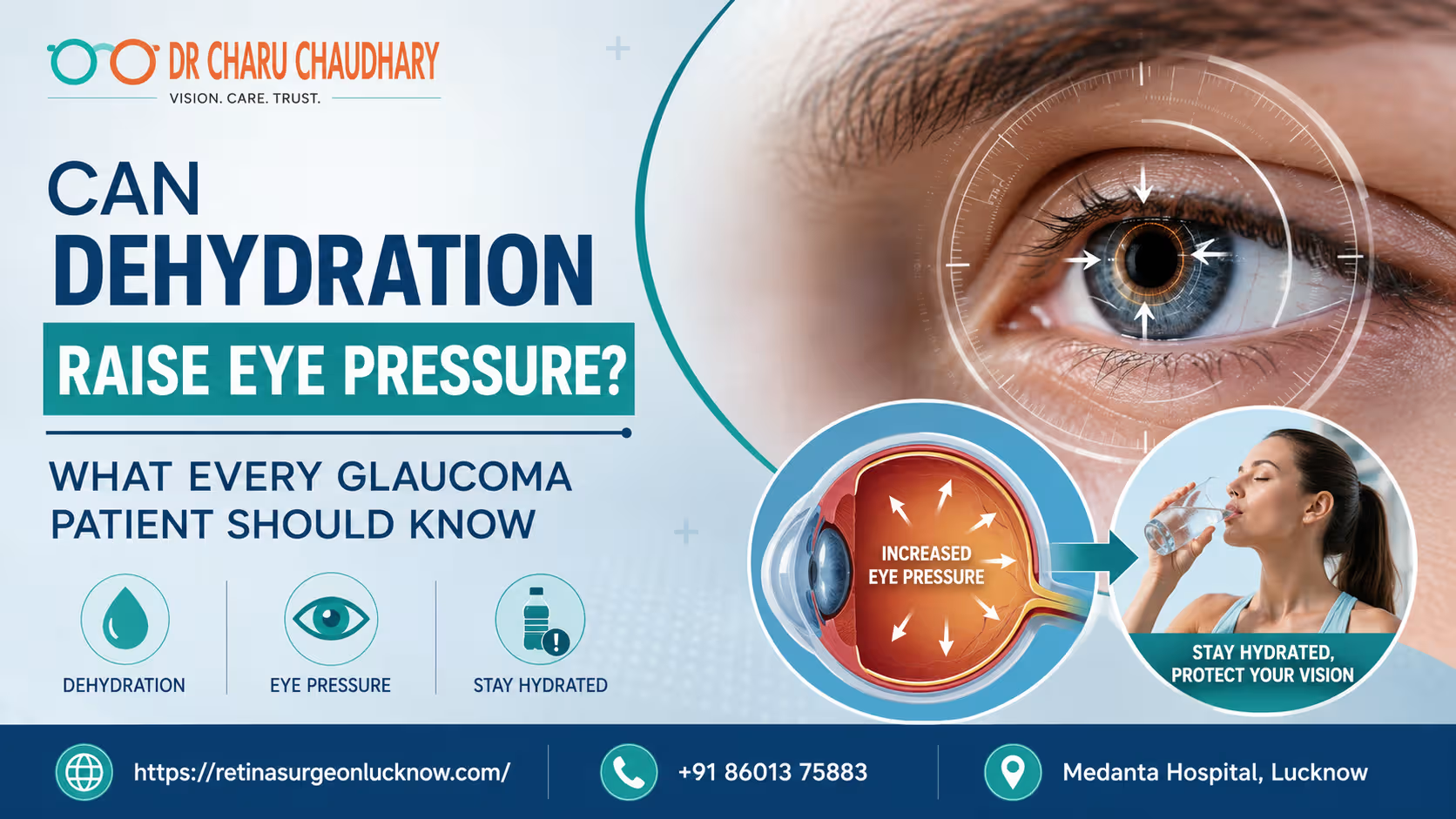
Dehydration may temporarily influence intraocular pressure in some people and can significantly affect overall eye health. While dehydration alone does not usually cause glaucoma, maintaining proper hydration is important for patients already diagnosed with the condition. Fluctuations in body fluids can impact how the eye regulates its internal pressure and supports the optic nerve. Can Not Drinking Enough Water Affect Your Eye Pressure? Maintaining the right fluid balance is vital for your health. Most people know that dehydration affects the heart and kidneys. However, many patients are surprised to learn that it also affects their eyes. For individuals living with glaucoma, understanding the link between hydration and eye pressure is essential. Eye pressure, or intraocular pressure (IOP), is the primary metric used to manage glaucoma. When your body lacks sufficient water, your systemic circulation changes. These changes can impact the delicate structures inside your eye. Consequently, your vision may face unnecessary risks if you ignore your daily water intake. Dr. Charu Chaudhary, an expert in ocular health, emphasizes that hydration is a pillar of preventative care. She often advises that stable fluid levels help maintain a stable environment for the optic nerve. If you are looking for the Best Eye Specialist in Lucknow, finding a professional who looks at your systemic health is key. Why Glaucoma Patients Should Pay Attention to Hydration Glaucoma is often called the “silent thief of sight.” It slowly damages the optic nerve, usually due to high internal eye pressure. Because this condition is so sensitive to pressure changes, even minor fluctuations matter. Proper hydration ensures that the blood flowing to your eyes is rich in oxygen and nutrients. When you are dehydrated, your blood can become more viscous. This change may reduce the efficiency of blood flow to the optic nerve. Therefore, staying hydrated isn’t just about the “pressure number” on a chart. It is about protecting the nerve fibers that allow you to see. Is there a real connection between dehydration and eye health? Medical research suggests that while severe dehydration might actually lower eye pressure slightly, the secondary effects are harmful. Dry eyes, blurred vision, and poor circulation can worsen the overall experience of living with glaucoma. What Is Eye Pressure (Intraocular Pressure)? Intraocular pressure is the fluid pressure inside your eye. Your eye produces a clear fluid called aqueous humor. This fluid nourishes the front part of the eye and maintains its shape. To keep pressure steady, the eye must drain as much fluid as it produces. When the drainage system becomes clogged or inefficient, the fluid builds up. This buildup increases the pressure within the eyeball. Think of it like a balloon being overfilled with water. If the pressure remains too high for too long, it pushes against the back of the eye. How Is Eye Pressure Measured? Eye specialists use a process called tonometry to measure IOP. During an exam, the doctor will use a device to gently touch or blow a puff of air onto the surface of your eye. This measurement is recorded in millimeters of mercury (mmHg). A normal eye pressure range is generally between 12 and 21 mmHg. However, “normal” can vary from person to person. Some people develop glaucoma with low pressure, while others have high pressure without nerve damage. This is why regular monitoring is so crucial for long-term vision. Why Is Eye Pressure Important for Vision? Your optic nerve is the “cable” that connects your eye to your brain. It is made of over a million tiny nerve fibers. High eye pressure compresses these fibers. Over time, the fibers begin to die off, leading to permanent vision loss. Because these fibers do not regenerate, the damage is irreversible. Managing eye pressure is the only proven way to stop or slow the progression of glaucoma. Consistency in your habits, including your water intake, helps keep these pressure levels within a safe range. What Is Glaucoma and How Does It Damage Vision? Glaucoma is a group of eye conditions that lead to optic nerve damage. It is typically categorized by how the fluid drainage system is blocked. The most common form is Open-Angle Glaucoma, where the drainage angle looks open but functions poorly. Another form is Angle-Closure Glaucoma, which can occur suddenly and constitutes a medical emergency. Regardless of the type, the result is often the same: peripheral vision fades first. If left untreated, the damage moves inward, eventually leading to total blindness. High eye pressure is the most significant modifiable risk factor for this disease. By controlling this pressure through medication, surgery, and lifestyle choices, patients can preserve their sight for a lifetime. This is why consulting the Best Eye Surgeon in Lucknow is a vital step for those at risk. Can Dehydration Really Raise Eye Pressure? The relationship between dehydration and eye pressure is complex. In many cases, severe systemic dehydration actually leads to a decrease in intraocular pressure. This happens because the body produces less aqueous humor when it is trying to conserve water. However, the problem arises when the body is in a state of flux. Chronic dehydration can lead to “dry eye” symptoms that mimic or worsen glaucoma discomfort. Furthermore, when a dehydrated person suddenly drinks a massive amount of water, it can cause a temporary spike in eye pressure. What Does Medical Research Say? Research indicates that the body’s “osmolality”—the concentration of particles in your blood—affects the fluid in your eyes. When you are dehydrated, your blood is more concentrated. This can pull fluid out of the eye, lowering pressure. Conversely, “water loading” (drinking a liter of water in under five minutes) is a known test to see if eye pressure will spike. For a glaucoma patient, these rapid shifts are dangerous. Stability is the goal. Therefore, avoiding extreme dehydration is just as important as avoiding rapid over-hydration. Is the Effect Temporary or Long-Term? Most pressure changes related to hydration are temporary. However, the cumulative effect of poor hydration on the optic nerve’s blood supply can be long-term. Your eyes need consistent hydration
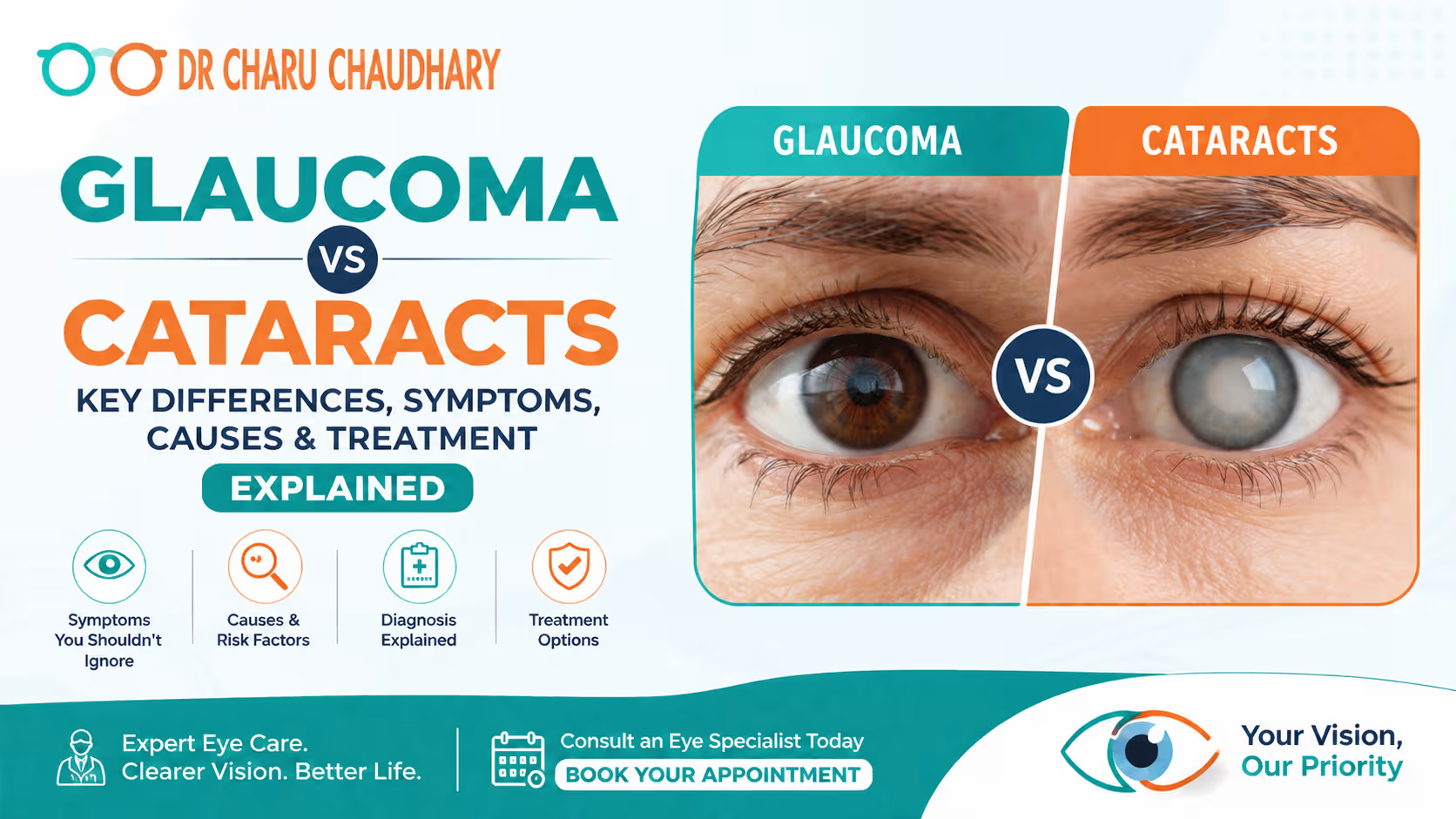
Cataracts cause cloudy vision because the eye’s natural lens becomes opaque, blocking light from reaching the retina. Conversely, glaucoma damages the optic nerve, often due to increased eye pressure. While cataract surgery usually restores vision successfully, glaucoma-related vision loss is irreversible. Therefore, early diagnosis is essential to prevent permanent blindness. Introduction How Can You Tell Whether It’s Glaucoma or Cataracts? Distinguishing between different eye conditions is often difficult for the average person. You might notice your vision becoming blurry or find it hard to drive at night. However, these symptoms could point toward two very different diseases. Glaucoma and cataracts are the leading causes of vision impairment globally. While they share some similarities, their impact on your eye health varies significantly. Identifying the specific cause of your visual decline is the first step toward effective recovery. Why Do People Often Confuse These Two Eye Conditions? Confusion often arises because both conditions commonly affect older adults. Furthermore, both diseases can cause a gradual decline in visual clarity. Patients frequently assume that any blurring of vision is simply a sign of “getting older.” Unfortunately, this misconception can lead to delayed treatment. While one condition is often fixable, the other can lead to permanent darkness if ignored. Understanding the biological differences between them is crucial for every patient. Why Early Eye Examination Can Protect Your Vision Regular screenings are the only definitive way to distinguish between these two conditions. An experienced Eye doctor in Lucknow can perform a comprehensive evaluation to assess your ocular health. Early detection allows for a wider range of treatment options. Most importantly, it helps prevent the silent progression of diseases that could steal your sight. By scheduling an exam, you take a proactive step in preserving your quality of life. What Is Glaucoma and How Does It Affect Vision? Glaucoma is not a single disease but a group of eye conditions. These conditions primarily damage the optic nerve, which is vital for good vision. This damage is often caused by abnormally high pressure inside your eye. Over time, this pressure erodes the nerve fibers, leading to blind spots in your visual field. What Happens to the Optic Nerve? The optic nerve acts like a communication cable between your eye and your brain. It carries thousands of electrical impulses that the brain interprets as images. When intraocular pressure rises, it compresses these delicate nerve fibers. Consequently, the fibers begin to die, and the “cable” loses its ability to transmit information. This process usually starts with your side vision and slowly moves inward. Why Is Glaucoma Called the “Silent Thief of Sight”? Many forms of glaucoma have no warning signs. For example, open-angle glaucoma progresses so slowly that you may not notice a change until the late stages. The brain often compensates for small blind spots, making the disease nearly invisible to the patient. By the time vision loss becomes obvious, significant and permanent damage has already occurred. This is why medical professionals emphasize the importance of preventative screenings. What Are Cataracts and Why Do They Develop? A cataract is a clouding of the normally clear lens of your eye. For people who have cataracts, seeing through cloudy lenses is a bit like looking through a frosty window. This clouding makes it more difficult to read or drive a car, especially at night. Most cataracts develop slowly and don’t disturb your eyesight early on. How Does the Eye Lens Become Cloudy? The lens is positioned behind the colored part of your eye (the iris). It focuses light that passes into your eye, producing clear, sharp images on the retina. As you age, the proteins within the lens begin to break down and clump together. These clumps create a cloudy area that scatters light instead of focusing it clearly. As a result, the image reaching your retina becomes blurred or distorted. Who Is Most Likely to Develop Cataracts? Aging is the most significant risk factor for cataract development. Most people begin to develop some degree of lens clouding after the age of 40. However, other factors can accelerate this process significantly. These include prolonged exposure to ultraviolet (UV) light, smoking, and certain medications like steroids. Additionally, individuals with systemic health issues may see symptoms appear much earlier in life. What Is the Difference Between Glaucoma and Cataracts? While both conditions affect your ability to see, they involve different parts of the eye. Cataracts are a problem with the “lens,” which is the front window of the eye. Glaucoma is a problem with the “nerve,” which is the connection to the brain. Understanding this fundamental difference helps patients appreciate why the treatments differ so vastly. How Do Their Causes Differ? The causes of these two diseases are entirely unrelated. Cataracts are primarily a result of protein degradation and oxidative stress within the lens. In contrast, glaucoma usually stems from a failure in the eye’s fluid drainage system. When the aqueous humor (eye fluid) cannot drain properly, pressure builds up against the retina and optic nerve. Therefore, one is a structural change in a tissue, while the other is often a hydraulic issue. How Do Symptoms Compare? Cataract symptoms usually involve a change in how you perceive light and color. You might see “halos” around streetlights or find that colors look faded. Glaucoma symptoms are often non-existent in the early stages. However, advanced glaucoma leads to “tunnel vision,” where your peripheral sight disappears. While cataracts make the world look “fuzzy,” glaucoma makes the world look “smaller.” Which Condition Progresses Faster? Progression rates vary greatly between individuals and the specific type of the disease. Cataracts generally progress very slowly over several years. Many patients live with mild cataracts for a long time without needing surgery. Some forms of glaucoma, such as acute angle-closure glaucoma, can cause vision loss within hours. Chronic glaucoma, however, also moves slowly but leaves permanent damage in its wake. Glaucoma vs. Cataract Comparison Table Feature Glaucoma Cataracts Primary Site Optic Nerve Crystalline Lens Main Cause High Intraocular Pressure Protein Clumping/Aging
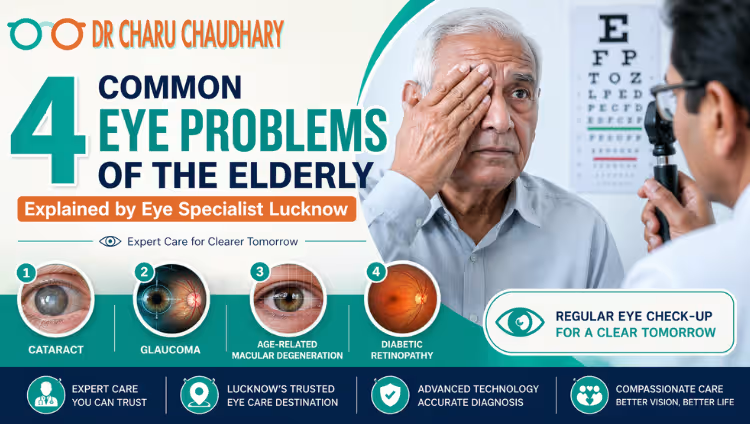
The most common eye problems in elderly people include cataracts, glaucoma, age-related macular degeneration (AMD), and diabetic retinopathy. You should see an eye doctor immediately if you experience sudden blurred vision, eye pain, “flashes” of light, or a sudden increase in floaters, as these can signal serious conditions requiring urgent care. As we grow older, our bodies undergo many changes. We might notice our hair turning grey or our joints becoming a bit stiffer. Just like the rest of our body, our eyes also age. While some changes are a normal part of getting older, others can lead to serious vision loss if not treated in time. As an experienced eye specialist in Lucknow, Dr Charu Chaudhary, I have spent years helping seniors regain their sight and maintain their independence. I believe that understanding your eyes is the first step toward protecting them. In this guide, I will explain the four most common eye problems seen in the elderly and how we can manage them together. Why Eye Problems Increase With Age Our eyes are like high-precision cameras. Over time, the “lens” can get cloudy, the “film” (the retina) can wear out, and the “cables” (the optic nerve) can get damaged. Natural Aging of the Eye Starting in our 40s and 50s, the lens inside the eye becomes less flexible. This is why most people start needing reading glasses—a condition called presbyopia. However, as we enter our 60s and 70s, the changes become more significant. The muscles that control our pupils weaken, making our eyes less responsive to light. This is why many seniors feel they need “brighter lights” to read or perform tasks. Reduced Vision Clarity You might notice that colors look a bit duller or that it is harder to tell the difference between similar colors (like dark blue and black). Night vision also tends to decline. While these can be normal, they can also be early warning signs of the conditions we are about to discuss. A Real-Life Example: I remember a patient, Mr. Kapoor, a retired teacher in Lucknow. He stopped driving at night because the “glare” from oncoming headlights was too much. He thought it was just “old age” and waited two years to see me. When he finally visited, we found he had advanced cataracts. After a simple procedure, he told me, “Doctor, I didn’t realize the world was this bright!” Delaying treatment only made his life harder than it needed to be. Common Eye Problem #1 – Cataract A cataract is perhaps the most well-known age-related eye issue. It is the leading cause of vision loss worldwide, but the good news is that it is completely treatable. What is it? Inside your eye is a clear lens that focuses light. As we age, the proteins in this lens begin to clump together. Think of it like a clear window slowly becoming “foggy” or “frosted.” Eventually, it becomes difficult for light to pass through. Symptoms Treatment Options There are no eye drops or medicines that can “clear” a cataract. The only effective treatment is a small surgery where the cloudy lens is replaced with a clear artificial lens. Modern technology has made this a very safe, 10–15 minute procedure. As a leading eye surgeon in Lucknow, Dr Charu Chaudhary, I use advanced techniques that allow patients to return home the same day and recover very quickly. Common Eye Problem #2 – Glaucoma Glaucoma is often called the “Silent Thief of Sight.” This is because it usually has no symptoms in the early stages, but if left untreated, it can cause permanent blindness. Silent Vision Loss Glaucoma happens when the fluid pressure inside the eye rises too high. This pressure damages the optic nerve, which is the “cable” that sends images from your eye to your brain. Because the damage starts with your side (peripheral) vision, you might not notice anything is wrong until most of your sight is gone. The Importance of Early Detection You cannot “feel” the pressure in your eye. The only way to find glaucoma is through a comprehensive eye exam. If we catch it early, we can usually manage it with simple daily eye drops. Who is at risk? If you haven’t had your eye pressure checked recently, you should visit the best eye specialist in Lucknow for a screening. Common Eye Problem #3 – Age-Related Macular Degeneration (AMD) While cataracts affect the “lens” of the eye, AMD affects the “film”—the retina. Specifically, it affects a tiny spot in the center of the retina called the macula. Central Vision Loss The macula is responsible for your “straight-ahead” vision. It is what allows you to read, sew, drive, and recognize faces. When someone has AMD, they might see a dark spot or a “blur” in the very center of their vision, while their side vision remains clear. Difficulty Recognizing Faces One of the most heartbreaking parts of AMD is that patients find it hard to see the faces of their grandchildren or friends. Straight lines might also look wavy or crooked. Risk Factors For advanced cases of AMD, you should consult a retina specialist in Lucknow for advanced care. There are now injections and laser treatments that can help slow down the disease and save your remaining vision. Common Eye Problem #4 – Diabetic Retinopathy India is often called the “diabetes capital of the world,” and Lucknow is no exception. If you have diabetes, your eyes are at high risk. Impact of Diabetes on Eyes High blood sugar levels damage the tiny blood vessels inside the retina. These vessels can swell and leak fluid, or they can even close off entirely. In response, the eye tries to grow new, weak blood vessels that bleed easily, causing severe vision damage. The Need for Regular Checkups In the early stages, diabetic retinopathy may cause no symptoms or only mild vision problems. However, it can lead to total blindness. If you have diabetes, you must have a “dilated eye exam” at least once a year. Early diagnosis by a retina