
In the busy rhythm of our daily lives, we often take our senses for granted—especially our sight. Our eyes are arguably our most precious sensory organs, processing over 80% of the information we receive from the world around us. However, many of us ignore the subtle “whispers” our eyes send when something is wrong. From a slight blur while reading to a nagging headache after a day at the computer, these early signs of eye problems are often dismissed as mere tiredness or aging.
Early signs of eye trouble may include blurry vision, eye pain, redness, floaters, headaches, sensitivity to light, or sudden vision changes. Timely diagnosis and regular eye checkups may help prevent serious vision complications.
The reality is that many serious eye conditions, such as glaucoma or macular degeneration, develop silently. They often don’t cause significant pain in their early stages, making it easy to overlook them until permanent damage has occurred. This is why preventive eye care is not just a medical recommendation; it is a necessity for maintaining your quality of life. By understanding the early warning signs and seeking help from an experienced professional, such as Dr. Charu Chaudhary, you can protect your vision for years to come. Recognizing these symptoms early allows for more effective treatments and better long-term outcomes.
Why Early Detection of Eye Problems Matters
The old saying “prevention is better than cure” holds profound truth in ophthalmology. Early detection is often the only way to halt the progression of diseases that could otherwise lead to irreversible vision loss. Unlike a broken bone that heals or a skin scrape that regenerates, many parts of the eye—such as the optic nerve and the retina—do not have the capacity to repair themselves once they are severely damaged.
Regular eye exams serve two primary purposes. First, they ensure that your current vision is as clear as possible, often through corrective lenses. Second, and more importantly, they allow a specialist to look inside the eye to check for signs of systemic health issues. Did you know that an eye exam can sometimes be the first way a doctor detects high blood pressure, diabetes, or even certain types of autoimmune diseases?
When you consult the Best Eye specialist in Lucknow, you aren’t just getting a prescription for glasses; you are receiving a comprehensive health screening. Timely intervention can mean the difference between a simple eye drop regimen and a complex surgical procedure later in life.
Sign #1 — Blurry Vision
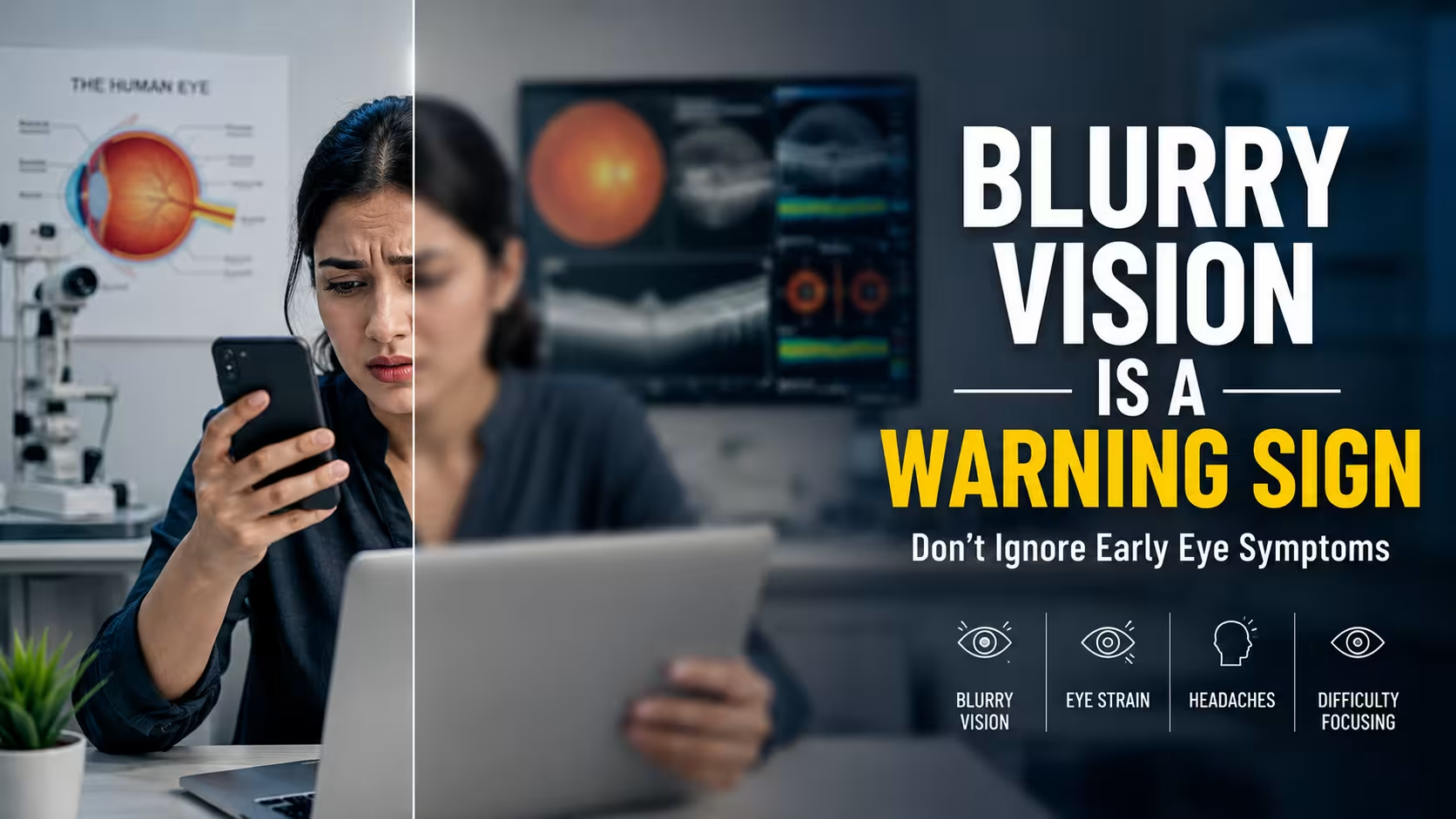
Blurry vision is perhaps the most common early sign of eye trouble, but its causes can range from the mundane to the critical. If you find yourself squinting to read street signs or holding your smartphone further away than usual, your eyes are telling you something.
Temporary vs. Persistent Blurriness
Temporary blurriness can occur due to eye fatigue, excessive screen time, or even dehydration. However, persistent blurriness—where things remain out of focus despite resting—requires professional evaluation.
Common Causes
- Refractive Errors: Conditions like myopia (nearsightedness), hyperopia (farsightedness), and astigmatism are the most frequent culprits. These are easily corrected with glasses or contact lenses.
- Cataracts: This is a gradual clouding of the eye’s natural lens. While common in older adults, it can start earlier than many realize.
- Retinal Conditions: Issues with the retina, the light-sensitive layer at the back of the eye, can cause central or peripheral blurriness.
- Diabetes: Fluctuating blood sugar levels can cause the lens of the eye to swell, leading to inconsistent blurry vision. This is a key reason why diabetic patients must seek the Best Eye specialist in Lucknow for annual screenings.
If blurriness comes on suddenly in one eye, it should be treated as a medical emergency, as it could indicate a stroke or a retinal detachment.
Sign #2 — Persistent Eye Redness
We’ve all had bloodshot eyes after a late night or an early morning flight. However, when redness persists or is accompanied by other symptoms, it’s a sign of inflammation or infection.
When Redness is a Concern
Redness occurs when the tiny blood vessels on the surface of the eye become swollen or inflamed. This can be caused by:
- Allergies: Pollen, pet dander, or dust can cause “allergic conjunctivitis.”
- Infections: Pink eye (conjunctivitis) is highly contagious and requires treatment to prevent spreading.
- Dry Eye Syndrome: A lack of quality tears can leave the eye irritated and red.
- Glaucoma Warning: In some cases, a specific type of glaucoma (acute angle-closure) can cause sudden redness along with severe pain.
If your eyes are red and you also experience discharge, crusting of the eyelids, or a “gritty” feeling as if sand is in your eye, it is time to schedule a consultation.
Sign #3 — Eye Pain or Pressure
Eye pain is never “normal.” While it can sometimes feel like a dull ache or a sharp poke, it is a significant warning sign that something is amiss.
Types of Eye Pain
- Surface Pain: Often described as itching or burning, usually related to foreign objects, infections, or irritation.
- Deep Orbital Pain: A throbbing or aching pain deep within the eye. This can be a sign of internal inflammation, glaucoma, or even sinus issues.
The Pressure Sensation
Sometimes, you don’t feel “pain” so much as a feeling of “fullness” or pressure behind the eye. This can be linked to ocular hypertension. If left unchecked, high internal eye pressure can damage the optic nerve. Many patients describe this sensation as a “heaviness” that often correlates with headaches. Persistent pain, especially when moving the eyes, should never be ignored and warrants a visit to a specialist like Dr. Charu Chaudhary.
Sign #4 — Sudden Floaters or Flashes
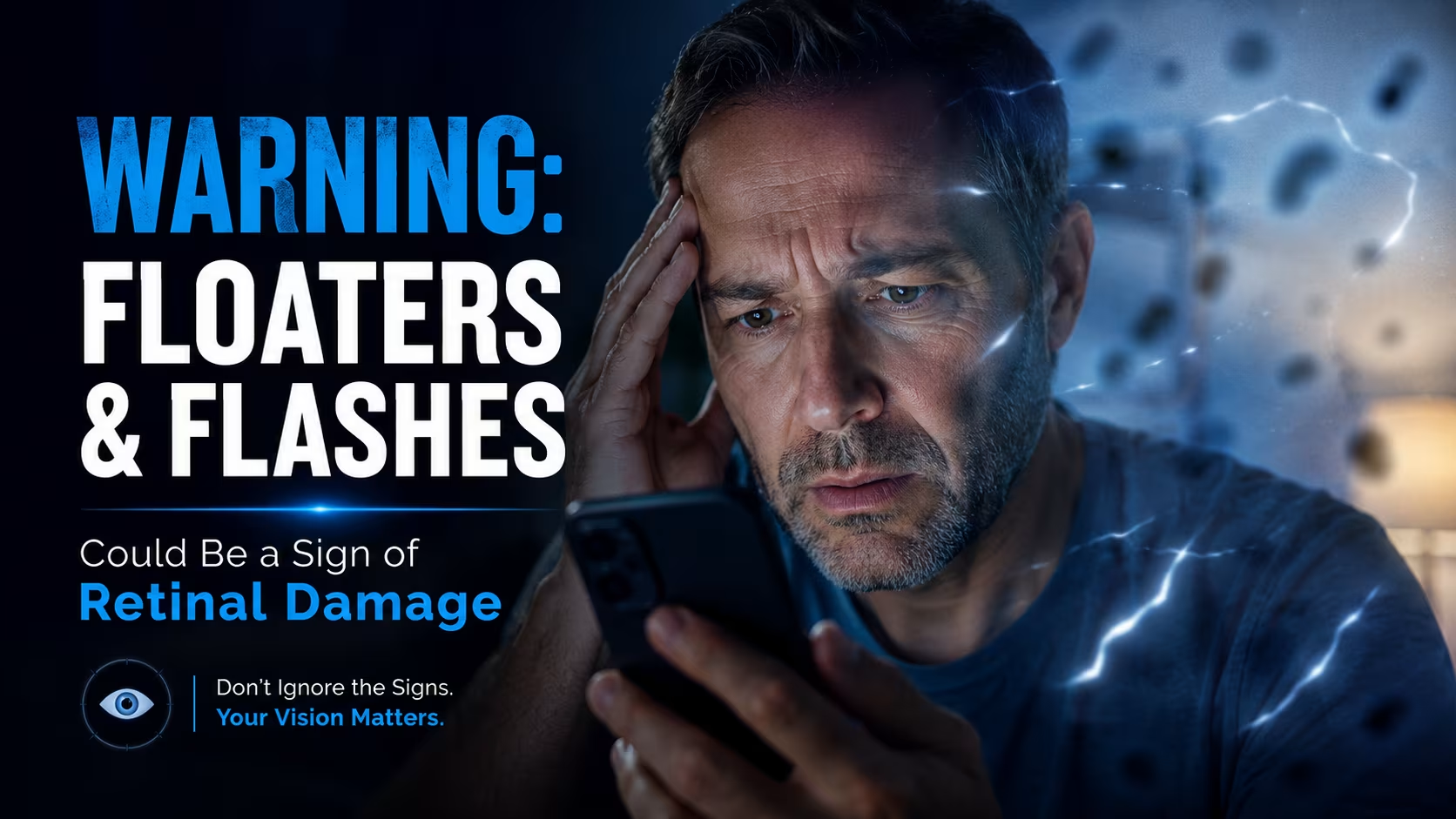
Floaters are those specks, dots, or “cobwebs” that seem to drift across your field of vision. Most people have a few, and they are usually harmless remnants of the vitreous (the gel-like substance inside the eye).
The Danger Zone
While a few floaters are normal, a sudden increase in the number of floaters is a major red flag. If these floaters are accompanied by flashes of light (like lightning streaks or camera flashes) or a “curtain” falling over your vision, you may be experiencing a retinal tear or detachment.
This is a critical situation. A detached retina is a medical emergency that can lead to permanent blindness if not treated within hours. If you experience these symptoms, seek the Best Eye specialist in Lucknow immediately. Early diagnosis through a dilated eye exam can save your sight.
Common Eye Symptoms vs. Possible Causes
To help you understand when to act, refer to the chart below summarizing common symptoms and their potential implications.
| Symptom | Possible Causes | When to Seek Help |
| Blurry Vision | Immediately if a sudden increase | If symptoms are persistent or sudden |
| Redness | Allergy, infection, dry eye | If accompanied by pain or discharge |
| Floaters/Flashes | Vitreous changes, retinal tear | Immediately if sudden increase |
| Eye Pain | Infection, glaucoma, injury | If pain is severe or recurring |
| Dry Eyes | Screen strain, aging, environment | If lifestyle changes don’t help |
| Light Sensitivity | Migraine, inflammation, infection | If it interferes with daily activities |
Note: This chart is for educational purposes. A professional diagnosis from an eye specialist is always required for accurate assessment.
Sign #5 — Difficulty Seeing at Night
Night blindness (nyctalopia) doesn’t mean you are completely blind at night; rather, it means your vision is significantly impaired in low-light conditions.
Why Night Vision Fades
- Cataracts: One of the earliest signs of a cataract is difficulty driving at night because oncoming headlights create a distracting “halo” or glare.
- Vitamin A Deficiency: While rare in developed urban areas, Vitamin A is crucial for the health of the retina’s photoreceptors.
- Retinitis Pigmentosa: A genetic disorder that affects the retina’s ability to respond to light.
If you find yourself avoiding driving at night or struggling to navigate a dimly lit room, it is worth investigating. Often, a simple update to your prescription or a specialized coating on your lenses can help, but more serious underlying issues must be ruled out first.
Sign #6 — Frequent Headaches with Eye Strain
In our digital age, “Digital Eye Strain” or “Computer Vision Syndrome” has become an epidemic. We spend hours staring at blue-light-emitting screens, often in poor lighting conditions.
The Connection Between Headaches and Eyes
When your eyes struggle to focus—due to an uncorrected refractive error or muscle imbalance—the muscles around the eyes work overtime. This constant tension leads to “ocular headaches,” typically felt behind the eyes or in the brow area.
Preventive Tips for Screen Users
- The 20-20-20 Rule: Every 20 minutes, look at something 20 feet away for 20 seconds.
- Adjust Lighting: Ensure your room is well-lit but avoid glare on the screen.
- Blink More: We blink significantly less when looking at screens, which leads to dryness.
If you find yourself taking painkillers for headaches daily, the problem might not be in your head—it might be in your eyes. Consulting the Best Eye specialist in Lucknow can help determine if you need computer glasses or vision therapy.
Sign #7 — Sensitivity to Light
Light sensitivity, or photophobia, is a condition where bright light causes discomfort or the need to squint/close your eyes. While some people are naturally more sensitive, a sudden change in light tolerance is a sign of trouble.
Possible Causes of Photophobia
- Corneal Abrasions: A small scratch on the surface of the eye.
- Uveitis: Inflammation of the middle layer of the eye (the uvea).
- Migraines: Light sensitivity is a classic symptom of migraine auras.
- Infections: Keratitis (inflammation of the cornea) can make even normal indoor lighting feel painful.
Persistent light sensitivity is not something to “tough out.” It usually points to an underlying inflammatory process that needs medical attention.
Sign #8 — Excessive Eye Dryness or Watering
It may seem contradictory, but excessively watery eyes are often a sign of Dry Eye Syndrome. When the eyes become too dry, the nervous system sends a distress signal for “emergency lubrication,” resulting in a flood of low-quality tears that don’t actually hydrate the eye properly.
Factors Contributing to Dryness
- Environment: Air conditioning, heaters, and wind.
- Age: Tear production naturally decreases as we get older.
- Medications: Certain antihistamines or blood pressure meds can dry out the eyes.
Chronic dryness can lead to corneal scarring if the surface of the eye isn’t protected. Treatments range from specialized artificial tears to minor procedures that help the eye retain its natural moisture.
Sign #9 — Double Vision
Double vision (diplopia) can be terrifying. It occurs when you see two images of a single object. This can happen in one eye (monocular) or both eyes (binocular).
Why It Happens
- Muscle Imbalance: The six muscles that move the eye must work in perfect synchronization. If one is weak, the images don’t align.
- Nerve Damage: Conditions like diabetes can affect the nerves controlling eye muscles.
- Neurological Issues: In some cases, double vision can be a sign of a more serious neurological condition.
Because double vision can be a symptom of a systemic emergency, it should be evaluated by a healthcare professional immediately.
Sign #10 — Sudden Vision Loss or Dark Spots
This is the most critical warning sign. Sudden vision loss—whether it’s a “blackout” in one eye, a sudden blurring of central vision, or the appearance of dark spots (scotomas)—requires immediate medical intervention.
Potential Emergencies
- Retinal Vein Occlusion: Essentially a “stroke in the eye.”
- Macular Degeneration: Sudden bleeding under the retina can cause a dark spot in your central vision.
- Optic Neuritis: Inflammation of the optic nerve.
When it comes to sudden vision changes, time is tissue. The faster you get to a specialist, the better the chance of saving your sight.

How to Protect Your Eyes Daily: A Step-by-Step Guide
While knowing the signs is vital, taking preventive action is even better. Here is how you can proactively care for your vision:
- Schedule Annual Eye Exams: Even if you think your vision is fine, an annual checkup is the only way to catch “silent” diseases like glaucoma.
- Wear Sunglasses: UV rays can accelerate cataract formation and damage the retina. Look for 100% UVA/UVB protection.
- Eat an Eye-Healthy Diet: Incorporate leafy greens (spinach, kale), fatty fish (omega-3s), and orange-colored vegetables (beta-carotene).
- Manage Systemic Health: Keep your blood pressure and blood sugar levels in check, as these directly impact the health of your retinal blood vessels.
- Stay Hydrated: Proper hydration supports the production of healthy tears.
- Quit Smoking: Smoking is strongly linked to an increased risk of cataracts and age-related macular degeneration.
- Practice the 20-20-20 Rule: Protect your eyes from the strain of modern digital life.
When to See an Eye Specialist
Knowing when to transition from home care to professional care is essential. You should seek an expert evaluation if you experience any persistent symptoms, sudden changes in clarity, or physical pain.
Experts like Dr. Charu Chaudhary, recognized among the best eye specialists in Lucknow, emphasize that many patients wait too long to report “minor” symptoms. A quick, painless exam can provide peace of mind and a clear path forward for your eye health. Whether you are dealing with the frustration of dry eyes or the concern of new floaters, a professional diagnosis is the first step toward recovery.
Real-Life Example: The “Minor” Blur
Consider the story of a middle-aged professional who noticed a slight blur in their peripheral vision. They assumed it was just tiredness from long work hours. After months of ignoring it, a routine checkup revealed early-stage glaucoma. Because it was caught early by a specialist, the patient started a simple daily eye drop routine that prevented any further vision loss. Had they waited until the blur was central, the damage would have been permanent.
Final Thoughts
Your eyes are your windows to the world, but they are also delicate instruments that require care and attention. Early signs of eye trouble are not meant to cause fear; they are meant to prompt action. By paying attention to symptoms like redness, headaches, or floaters, you are taking the first step in a lifelong journey of vision protection.
Remember, ignoring symptoms today can lead to complications tomorrow. Preventive eye care, combined with the expertise of the Best Eye specialist in Lucknow, ensures that you can continue to enjoy the beauty of the world with clarity and comfort.
FAQs Section
1. What are the early signs of eye trouble?
Early signs include blurry vision, persistent redness, eye pain or pressure, sudden floaters or flashes of light, and difficulty seeing at night. Frequent headaches and sensitivity to light are also common indicators that your eyes need an evaluation.
2. When should I see an eye specialist for blurry vision?
You should see a specialist if the blurriness is persistent, affects your ability to perform daily tasks, or comes on suddenly. Even if it is “mild,” a specialist like Dr. Charu Chaudhary can determine if it is a simple refractive error or a sign of an underlying condition.
3. Can excessive screen time damage eyesight?
While screen time usually causes “Digital Eye Strain” (which is temporary), chronic strain can lead to severe dry eye and discomfort. In children, excessive near-work (like looking at tablets) has been linked to an increased risk of developing myopia (nearsightedness).
4. Are floaters in the eye dangerous?
Most floaters are harmless, but a sudden “shower” of new floaters or floaters accompanied by flashes of light can signal a retinal tear or detachment. This is a medical emergency and requires an immediate exam by the Best Eye specialist in Lucknow.
5. How can I protect my eyesight naturally?
You can support eye health by eating a diet rich in antioxidants (Vitamin C, E, and Zinc), wearing UV-protective sunglasses, staying hydrated, and following the 20-20-20 rule during screen use to reduce strain.
Healthcare Awareness CTA
Vision problems often begin with small warning signs that many people ignore. Early diagnosis, regular eye checkups, and timely treatment may help prevent serious complications and protect long-term eyesight.
For a comprehensive eye evaluation and preventive vision care, experienced specialists like Dr. Charu Chaudhary, known as the best eye specialist in Lucknow, help patients identify and manage eye problems early. Don’t wait for your vision to fade—take the proactive step toward ocular health today.