
 No Comments
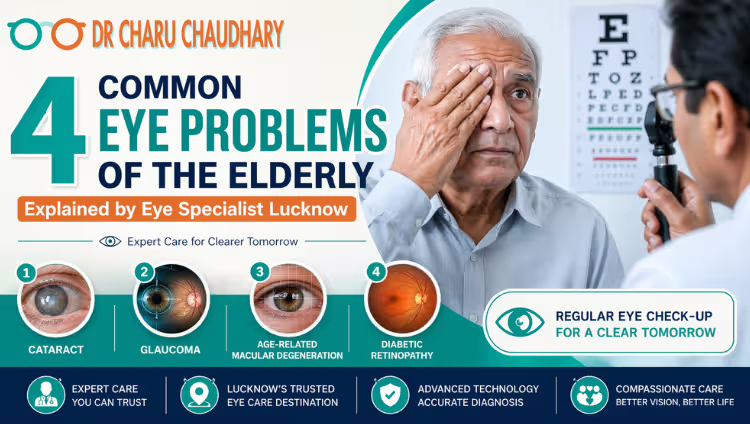
The most common eye problems in elderly people include cataracts, glaucoma, age-related macular degeneration (AMD), and diabetic retinopathy. You should see an eye doctor immediately if you experience sudden blurred vision, eye pain, “flashes” of light, or a sudden increase in floaters, as these can signal serious conditions requiring urgent care.
As we grow older, our bodies undergo many changes. We might notice our hair turning grey or our joints becoming a bit stiffer. Just like the rest of our body, our eyes also age. While some changes are a normal part of getting older, others can lead to serious vision loss if not treated in time.
As an experienced eye specialist in Lucknow, Dr Charu Chaudhary, I have spent years helping seniors regain their sight and maintain their independence. I believe that understanding your eyes is the first step toward protecting them. In this guide, I will explain the four most common eye problems seen in the elderly and how we can manage them together.
Why Eye Problems Increase With Age
Our eyes are like high-precision cameras. Over time, the “lens” can get cloudy, the “film” (the retina) can wear out, and the “cables” (the optic nerve) can get damaged.
Natural Aging of the Eye
Starting in our 40s and 50s, the lens inside the eye becomes less flexible. This is why most people start needing reading glasses—a condition called presbyopia. However, as we enter our 60s and 70s, the changes become more significant. The muscles that control our pupils weaken, making our eyes less responsive to light. This is why many seniors feel they need “brighter lights” to read or perform tasks.
Reduced Vision Clarity
You might notice that colors look a bit duller or that it is harder to tell the difference between similar colors (like dark blue and black). Night vision also tends to decline. While these can be normal, they can also be early warning signs of the conditions we are about to discuss.
A Real-Life Example:
I remember a patient, Mr. Kapoor, a retired teacher in Lucknow. He stopped driving at night because the “glare” from oncoming headlights was too much. He thought it was just “old age” and waited two years to see me. When he finally visited, we found he had advanced cataracts. After a simple procedure, he told me, “Doctor, I didn’t realize the world was this bright!” Delaying treatment only made his life harder than it needed to be.
Common Eye Problem #1 – Cataract
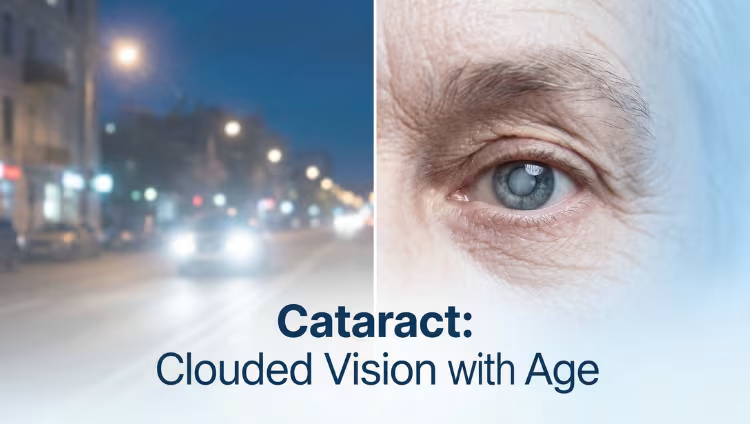
A cataract is perhaps the most well-known age-related eye issue. It is the leading cause of vision loss worldwide, but the good news is that it is completely treatable.
What is it?
Inside your eye is a clear lens that focuses light. As we age, the proteins in this lens begin to clump together. Think of it like a clear window slowly becoming “foggy” or “frosted.” Eventually, it becomes difficult for light to pass through.
Symptoms
- Blurred Vision: Like looking through a dusty windshield.
- Glare: Lights (like streetlamps or sun) seem too bright or have “halos” around them.
- Fading Colors: Everything looks a bit yellowish or brownish.
- Frequent Prescription Changes: Your glasses seem to stop working every few months.
Treatment Options
There are no eye drops or medicines that can “clear” a cataract. The only effective treatment is a small surgery where the cloudy lens is replaced with a clear artificial lens. Modern technology has made this a very safe, 10–15 minute procedure. As a leading eye surgeon in Lucknow, Dr Charu Chaudhary, I use advanced techniques that allow patients to return home the same day and recover very quickly.
Common Eye Problem #2 – Glaucoma
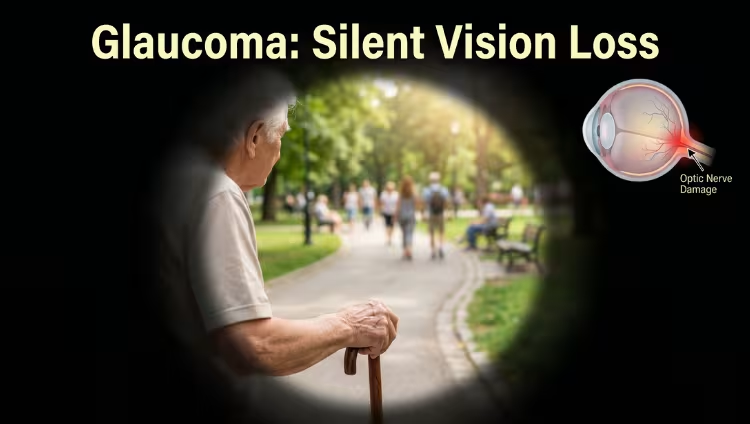
Glaucoma is often called the “Silent Thief of Sight.” This is because it usually has no symptoms in the early stages, but if left untreated, it can cause permanent blindness.
Silent Vision Loss
Glaucoma happens when the fluid pressure inside the eye rises too high. This pressure damages the optic nerve, which is the “cable” that sends images from your eye to your brain. Because the damage starts with your side (peripheral) vision, you might not notice anything is wrong until most of your sight is gone.
The Importance of Early Detection
You cannot “feel” the pressure in your eye. The only way to find glaucoma is through a comprehensive eye exam. If we catch it early, we can usually manage it with simple daily eye drops.
Who is at risk?
- People over age 60.
- Those with a family history of glaucoma.
- People with medical conditions like diabetes or high blood pressure.
If you haven’t had your eye pressure checked recently, you should visit the best eye specialist in Lucknow for a screening.
Common Eye Problem #3 – Age-Related Macular Degeneration (AMD)
While cataracts affect the “lens” of the eye, AMD affects the “film”—the retina. Specifically, it affects a tiny spot in the center of the retina called the macula.
Central Vision Loss
The macula is responsible for your “straight-ahead” vision. It is what allows you to read, sew, drive, and recognize faces. When someone has AMD, they might see a dark spot or a “blur” in the very center of their vision, while their side vision remains clear.
Difficulty Recognizing Faces
One of the most heartbreaking parts of AMD is that patients find it hard to see the faces of their grandchildren or friends. Straight lines might also look wavy or crooked.
Risk Factors
- Age: It is most common in those over 65.
- Smoking: This significantly increases your risk.
- Genetics: If your parents had it, you are more likely to get it.
For advanced cases of AMD, you should consult a retina specialist in Lucknow for advanced care. There are now injections and laser treatments that can help slow down the disease and save your remaining vision.
Common Eye Problem #4 – Diabetic Retinopathy
India is often called the “diabetes capital of the world,” and Lucknow is no exception. If you have diabetes, your eyes are at high risk.
Impact of Diabetes on Eyes
High blood sugar levels damage the tiny blood vessels inside the retina. These vessels can swell and leak fluid, or they can even close off entirely. In response, the eye tries to grow new, weak blood vessels that bleed easily, causing severe vision damage.
The Need for Regular Checkups
In the early stages, diabetic retinopathy may cause no symptoms or only mild vision problems. However, it can lead to total blindness. If you have diabetes, you must have a “dilated eye exam” at least once a year.
Early diagnosis by a retina specialist in Lucknow can prevent up to 95% of vision loss caused by diabetes. We use special cameras and scans to look at the back of your eye and catch problems before they steal your sight.
Vision Changes With Age: What is Normal vs. Concerning
It is important to know the difference between “getting older” and “getting sick.”
| Normal Aging Changes | Concerning Signs (See a Doctor) |
| Needing more light to read. | Seeing “wavy” lines instead of straight ones. |
| Slight difficulty with night driving. | Seeing a “curtain” or shadow over your vision. |
| Eyes feeling slightly dry or itchy. | Sudden, sharp pain in the eye. |
| Needing reading glasses (bifocals). | Seeing dark spots or “holes” in your central vision. |
Sudden Vision Problems in the Elderly: When to Act Fast

Some eye issues are “emergencies.” If you or a loved one experiences the following, please consult the best eye doctor in Lucknow immediately. Do not wait for the next day.
- Sudden Blurred Vision: If your vision goes blurry in one or both eyes within minutes or hours.
- Flashes or Floaters: Seeing sudden “sparks” of light or a shower of dark spots. This could mean a retinal detachment.
- Eye Pain with Redness: This could be a sign of an acute glaucoma attack.
- Sudden Double Vision: Seeing two of everything can signal neurological or eye muscle problems.
Tips to Protect Eye Health in Old Age
You are never too old to take care of your eyes! Here are some simple steps to keep your vision sharp:
- Regular Eye Checkups: Visit your eye doctor once a year, even if you think you see fine.
- Control Your Health: Keeping your blood sugar and blood pressure in a healthy range protects the blood vessels in your eyes.
- Eat for Your Eyes: Leafy greens (palak), carrots, and fish are rich in vitamins A, C, and E, which are “eye food.”
- Wear Sunglasses: Protect your eyes from the harsh Lucknow sun to prevent cataracts from getting worse.
- Quit Smoking: Smoking is a major cause of macular degeneration. It’s never too late to quit.
- Use Proper Lighting: Make sure your reading nook or kitchen is well-lit to prevent eye strain and falls.
FAQs Section
Q.What is the most common eye disease in older adults?
Cataracts are the most common eye condition in older adults. Almost everyone will develop some degree of cataract if they live long enough. Fortunately, it is also the most successfully treated eye condition.
Q.What are common elderly eye problems?
The “Big Four” are cataracts (cloudy vision), glaucoma (high eye pressure), age-related macular degeneration (loss of central vision), and diabetic retinopathy (damage from high blood sugar).
Q.How to improve or manage aging eyesight?
While you cannot “reverse” aging, you can manage it. Use brighter lights for tasks, wear the correct prescription glasses, eat an antioxidant-rich diet, and most importantly, get regular screenings to catch diseases early when they are most treatable.
Q.Impairment of vision due to old age is called what?
General age-related vision loss is often called “low vision.” The specific inability to focus on close objects due to age is called Presbyopia.
Q.Vision changes with age – what is normal?
Needing more light, experiencing mild dryness, and losing some ability to focus up close are normal. Sudden loss of sight, pain, or seeing distorted shapes are not normal.
Q.What are the effects of vision loss in the elderly?
Vision loss can lead to a higher risk of falls, depression, social isolation, and a loss of independence. This is why preserving sight is so important for the overall quality of life.
Q.What causes sudden blurred vision in the elderly?
Sudden blurring can be caused by a stroke, a sudden spike in eye pressure (glaucoma), or a retinal tear. It is always a medical emergency.
Q.What do aging eyes look like?
Externally, the eyes might look slightly sunken, the eyelids may droop (ptosis), or a white ring (arcus senilis) might appear around the edge of the cornea. Internally, the lens may look yellowish or cloudy if a cataract is present.
A Message from Dr. Charu Chaudhary
Your eyes are your window to the world—they allow you to see the faces of your family, read your favorite books, and move safely through your home. Growing older shouldn’t mean losing your sight. Most vision loss in seniors is preventable or treatable if caught early.
As a dedicated retina specialist in Lucknow, I am committed to providing the most advanced, compassionate care for our elderly community. We use the latest diagnostic tools to ensure your eyes stay healthy for years to come.
Call-To-Action
👉 If you or your loved ones notice vision changes, don’t ignore them.
Consult Dr Charu Chaudhary, a trusted eye doctor in Lucknow, for expert diagnosis and care. Whether you need a routine checkup or specialized care from a retina specialist in Lucknow, we are here to help you see clearly.
Book your appointment today and give your eyes the expert care they deserve!


Leave A Comment