
 No Comments
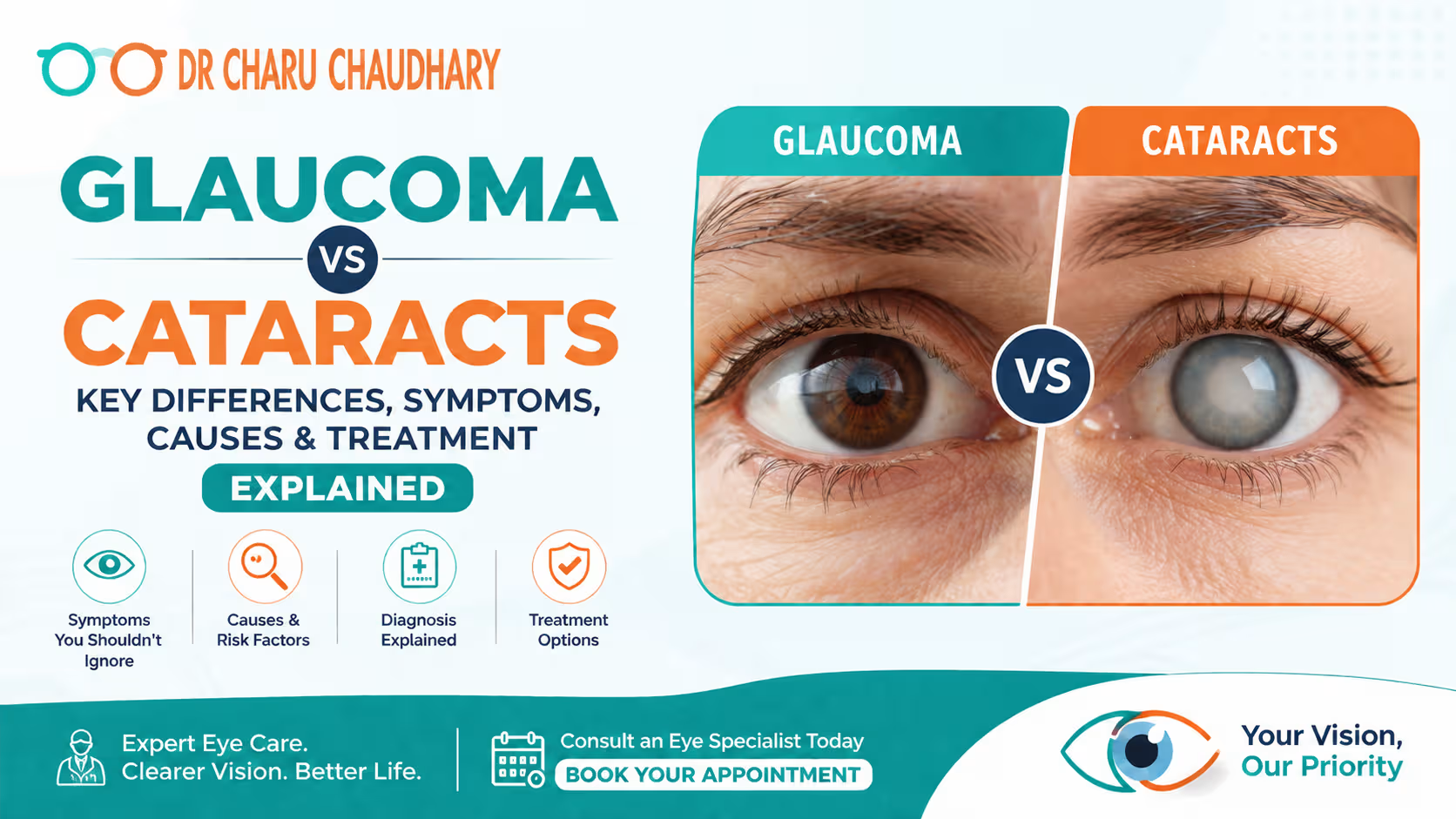
Cataracts cause cloudy vision because the eye’s natural lens becomes opaque, blocking light from reaching the retina. Conversely, glaucoma damages the optic nerve, often due to increased eye pressure. While cataract surgery usually restores vision successfully, glaucoma-related vision loss is irreversible. Therefore, early diagnosis is essential to prevent permanent blindness.
Introduction
How Can You Tell Whether It’s Glaucoma or Cataracts?
Distinguishing between different eye conditions is often difficult for the average person. You might notice your vision becoming blurry or find it hard to drive at night. However, these symptoms could point toward two very different diseases. Glaucoma and cataracts are the leading causes of vision impairment globally. While they share some similarities, their impact on your eye health varies significantly. Identifying the specific cause of your visual decline is the first step toward effective recovery.
Why Do People Often Confuse These Two Eye Conditions?
Confusion often arises because both conditions commonly affect older adults. Furthermore, both diseases can cause a gradual decline in visual clarity. Patients frequently assume that any blurring of vision is simply a sign of “getting older.” Unfortunately, this misconception can lead to delayed treatment. While one condition is often fixable, the other can lead to permanent darkness if ignored. Understanding the biological differences between them is crucial for every patient.
Why Early Eye Examination Can Protect Your Vision
Regular screenings are the only definitive way to distinguish between these two conditions. An experienced Eye doctor in Lucknow can perform a comprehensive evaluation to assess your ocular health. Early detection allows for a wider range of treatment options. Most importantly, it helps prevent the silent progression of diseases that could steal your sight. By scheduling an exam, you take a proactive step in preserving your quality of life.
What Is Glaucoma and How Does It Affect Vision?
Glaucoma is not a single disease but a group of eye conditions. These conditions primarily damage the optic nerve, which is vital for good vision. This damage is often caused by abnormally high pressure inside your eye. Over time, this pressure erodes the nerve fibers, leading to blind spots in your visual field.
What Happens to the Optic Nerve?
The optic nerve acts like a communication cable between your eye and your brain. It carries thousands of electrical impulses that the brain interprets as images. When intraocular pressure rises, it compresses these delicate nerve fibers. Consequently, the fibers begin to die, and the “cable” loses its ability to transmit information. This process usually starts with your side vision and slowly moves inward.
Why Is Glaucoma Called the “Silent Thief of Sight”?
Many forms of glaucoma have no warning signs. For example, open-angle glaucoma progresses so slowly that you may not notice a change until the late stages. The brain often compensates for small blind spots, making the disease nearly invisible to the patient. By the time vision loss becomes obvious, significant and permanent damage has already occurred. This is why medical professionals emphasize the importance of preventative screenings.
What Are Cataracts and Why Do They Develop?
A cataract is a clouding of the normally clear lens of your eye. For people who have cataracts, seeing through cloudy lenses is a bit like looking through a frosty window. This clouding makes it more difficult to read or drive a car, especially at night. Most cataracts develop slowly and don’t disturb your eyesight early on.
How Does the Eye Lens Become Cloudy?
The lens is positioned behind the colored part of your eye (the iris). It focuses light that passes into your eye, producing clear, sharp images on the retina. As you age, the proteins within the lens begin to break down and clump together. These clumps create a cloudy area that scatters light instead of focusing it clearly. As a result, the image reaching your retina becomes blurred or distorted.
Who Is Most Likely to Develop Cataracts?
Aging is the most significant risk factor for cataract development. Most people begin to develop some degree of lens clouding after the age of 40. However, other factors can accelerate this process significantly. These include prolonged exposure to ultraviolet (UV) light, smoking, and certain medications like steroids. Additionally, individuals with systemic health issues may see symptoms appear much earlier in life.
What Is the Difference Between Glaucoma and Cataracts?
While both conditions affect your ability to see, they involve different parts of the eye. Cataracts are a problem with the “lens,” which is the front window of the eye. Glaucoma is a problem with the “nerve,” which is the connection to the brain. Understanding this fundamental difference helps patients appreciate why the treatments differ so vastly.
How Do Their Causes Differ?
The causes of these two diseases are entirely unrelated. Cataracts are primarily a result of protein degradation and oxidative stress within the lens. In contrast, glaucoma usually stems from a failure in the eye’s fluid drainage system. When the aqueous humor (eye fluid) cannot drain properly, pressure builds up against the retina and optic nerve. Therefore, one is a structural change in a tissue, while the other is often a hydraulic issue.
How Do Symptoms Compare?
Cataract symptoms usually involve a change in how you perceive light and color. You might see “halos” around streetlights or find that colors look faded. Glaucoma symptoms are often non-existent in the early stages. However, advanced glaucoma leads to “tunnel vision,” where your peripheral sight disappears. While cataracts make the world look “fuzzy,” glaucoma makes the world look “smaller.”
Which Condition Progresses Faster?
Progression rates vary greatly between individuals and the specific type of the disease. Cataracts generally progress very slowly over several years. Many patients live with mild cataracts for a long time without needing surgery. Some forms of glaucoma, such as acute angle-closure glaucoma, can cause vision loss within hours. Chronic glaucoma, however, also moves slowly but leaves permanent damage in its wake.
Glaucoma vs. Cataract Comparison Table
| Feature | Glaucoma | Cataracts |
| Primary Site | Optic Nerve | Crystalline Lens |
| Main Cause | High Intraocular Pressure | Protein Clumping/Aging |
| Main Symptom | Loss of peripheral vision | Blurry or cloudy vision |
| Visual Effect | Tunnel vision | Faded colors and glares |
| Reversibility | Damage is permanent | Vision is usually restorable |
| Pain | Usually painless (except acute) | Painless |
| Primary Treatment | Medicated drops or Laser | Surgical lens replacement |
What Symptoms Should Never Be Ignored?
Knowing which symptoms to watch for can save your eyesight. While some changes are gradual, others require an immediate trip to the clinic. You should pay close attention to any sudden shifts in your visual quality.
What Are the Early Symptoms of Glaucoma?
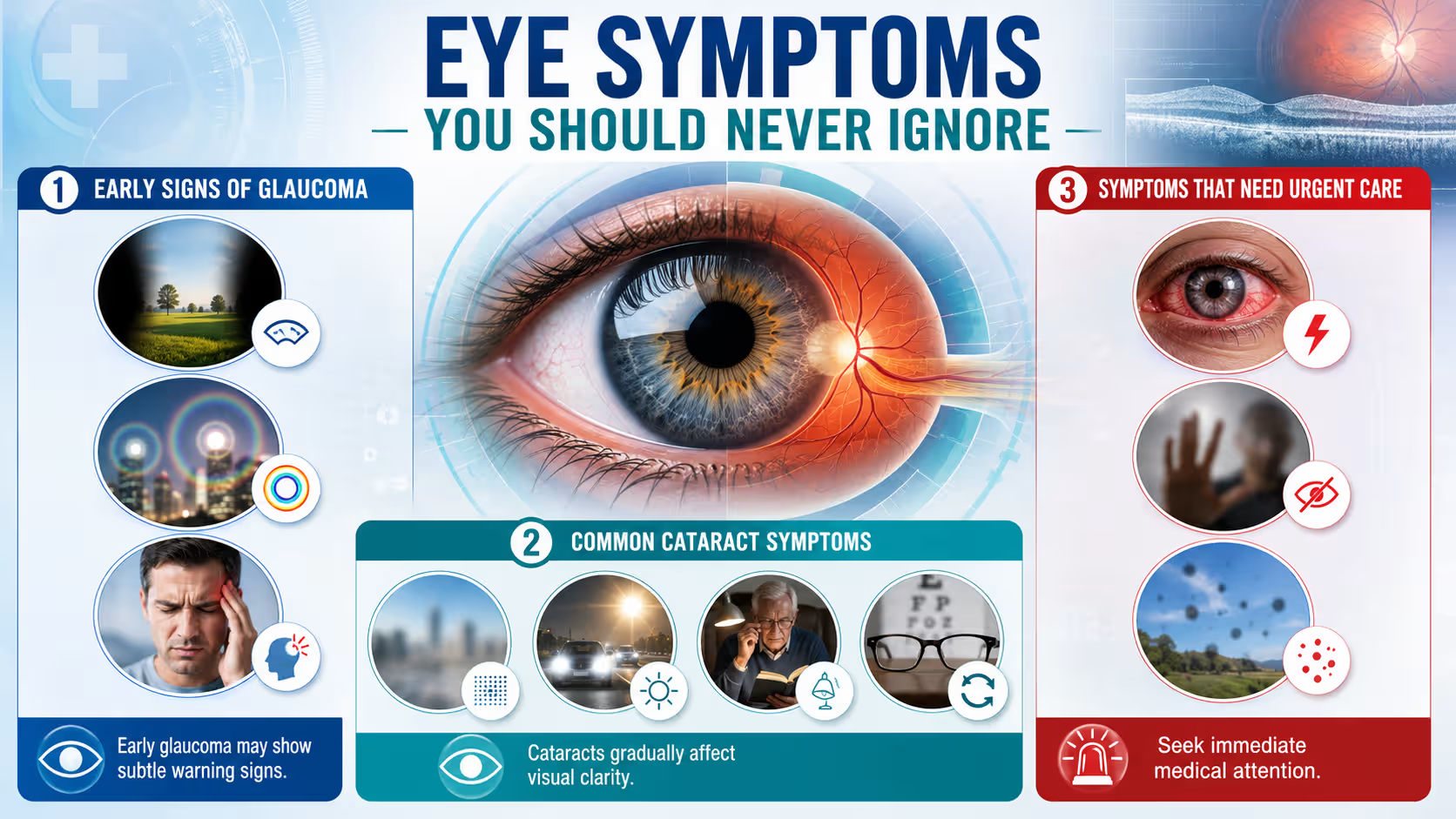
Early glaucoma rarely provides obvious clues. However, some patients may notice subtle “blind spots” in their side vision. If you have narrow-angle glaucoma, you might experience mild headaches or eye pain. Additionally, seeing rainbow-colored circles around lights can be an early warning sign. Because these signs are subtle, they are often missed during daily activities.
What Are the Common Symptoms of Cataracts?
The most common sign of a cataract is blurred or dim vision. You might find yourself needing brighter light for reading and other activities. Many patients also report increased sensitivity to glare from the sun or headlights. Another interesting symptom is “second sight,” where your near vision temporarily improves before getting much worse. Frequent changes in your eyeglass prescription can also signal developing cataracts.
Which Symptoms Require Immediate Medical Attention?
Certain symptoms constitute a medical emergency. If you experience sudden, severe eye pain accompanied by nausea, seek help immediately. This could indicate an acute glaucoma attack, which requires urgent intervention. Sudden loss of vision or the appearance of many “floaters” also necessitates an immediate exam. Furthermore, if you see halos around lights accompanied by a red eye, call your doctor right away.
Who Is at Higher Risk of Developing These Eye Diseases?
Risk factors help doctors determine how often you should be screened. While anyone can develop these conditions, certain demographics face a higher probability. Understanding your risk profile allows you to take necessary precautions.
Does Age Increase the Risk?
Age is the most common denominator for both glaucoma and cataracts. For cataracts, the risk increases significantly after age 60. Similarly, the prevalence of primary open-angle glaucoma rises with each decade of life. As the body ages, tissues become less efficient at regenerating and draining fluid. Consequently, older adults must prioritize eye health as part of their general wellness routine.
Can Diabetes Affect Eye Health?
Diabetes has a profound impact on the eyes. High blood sugar levels can damage the tiny blood vessels in the retina. Furthermore, people with diabetes are statistically more likely to develop cataracts at a younger age. They also face double the risk of developing glaucoma compared to non-diabetics. Managing your blood sugar is, therefore, a critical component of protecting your sight.
Does Family History Matter?
Genetics play a major role in your ocular destiny. If a close relative has glaucoma, your risk increases significantly. Some studies suggest that family history can increase your risk by four to nine times. While cataracts are less strictly hereditary, certain genetic syndromes can cause them to appear early. Always share your family medical history with your ophthalmologist during your consultation.
Can Lifestyle Habits Increase Risk?
Your daily choices can either protect or harm your eyes. For instance, smoking increases the production of free radicals that damage the lens. Prolonged use of corticosteroid medications can also trigger both cataracts and high eye pressure. Conversely, a diet rich in leafy greens and antioxidants may offer some protection. Protecting your eyes from physical injury and UV radiation is also vital for long-term health.
How Are Glaucoma and Cataracts Diagnosed?
A thorough eye exam is the only way to catch these diseases early. Doctors use a variety of specialized tools to look inside the eye. Most of these tests are quick, painless, and highly accurate.
Which Eye Tests Are Performed?
A standard exam begins with a visual acuity test to measure how well you see at various distances. Your doctor will also use a slit lamp to examine the front structures of your eye. This allows them to see the clarity of your lens directly. Furthermore, dilation drops are used to widen your pupil. This gives the doctor a clear view of the retina and the optic nerve at the back.
Why Is Eye Pressure Measurement Important?
Measuring intraocular pressure, or tonometry, is a cornerstone of glaucoma diagnosis. High pressure is a major risk factor, though it is not the only indicator. Some people have “normal-tension glaucoma,” where damage occurs even at low pressures. However, monitoring pressure trends over time helps doctors determine the effectiveness of treatments. It is a vital metric for tracking the health of the eye’s drainage system.
When Is OCT or Visual Field Testing Recommended?
If your doctor suspects glaucoma, they will order an Optical Coherence Tomography (OCT) scan. This advanced imaging technology creates a cross-sectional map of your optic nerve. It can detect thinning of the nerve fiber layer long before you notice vision loss. Additionally, a visual field test checks for blind spots in your peripheral vision. These tests provide a baseline for monitoring the disease’s progression.
How Does a Slit Lamp Examination Help?
The slit lamp is a high-intensity light source combined with a microscope. It allows the Eye Specialist in Lucknow to see the eye’s structures in 3D. Through this device, Dr. Charu Chaudhary can detect the specific type and density of a cataract. It also helps in examining the “angle” where the iris meets the cornea. This determines if you have open-angle or closed-angle glaucoma.
Diagnostic Comparison Table
| Test Name | Purpose | What It Detects |
| Tonometry | Measure Eye Pressure | High Intraocular Pressure |
| Slit Lamp | Microscopic Exam | Cataracts & Surface Issues |
| OCT Scan | Nerve Imaging | Optic Nerve Fiber Thinning |
| Visual Field | Peripheral Mapping | Blind Spots/Glaucoma Loss |
| Pachymetry | Cornea Thickness | Accuracy of Pressure Reading |
| Goniocopy | Angle Examination | Type of Glaucoma (Open/Closed) |
Can Glaucoma and Cataracts Occur Together?
It is very common for a patient to have both conditions simultaneously. This often happens because both diseases are associated with the natural aging process. When they coexist, the management of your eye health becomes more complex. However, modern ophthalmology offers integrated solutions to address both issues safely.
How Do Doctors Decide Which Condition to Treat First?
The treatment priority depends on which condition poses the greatest threat to your sight. Usually, doctors address glaucoma first because the damage it causes is permanent. If eye pressure is dangerously high, it must be stabilized before any surgery. However, if a cataract is so dense that it prevents the doctor from monitoring the glaucoma, the cataract may be removed first.
Can Cataract Surgery Improve Vision in Patients With Glaucoma?
Yes, cataract surgery can significantly improve the quality of life for glaucoma patients. Removing a cloudy lens allows more light to enter the eye, making the remaining vision sharper. Interestingly, cataract surgery often results in a slight reduction of intraocular pressure. This can sometimes make glaucoma management easier after the procedure. Your surgeon will carefully weigh the risks and benefits based on your specific case.
What Are the Best Treatment Options for Glaucoma?
The primary goal of glaucoma treatment is to lower eye pressure. By reducing the pressure, we can stop or slow down further nerve damage. While we cannot restore lost vision, we can preserve the vision you currently have.
Can Eye Drops Control Glaucoma?
Medicated eye drops are the most common first-line treatment for glaucoma. These drops work by either reducing the production of fluid or improving its drainage. Many patients manage their condition successfully for decades using only daily drops. However, consistency is key, as skipping doses can lead to pressure spikes. If you are looking for Glaucoma Treatment in Lucknow, you will find that many specialists begin with this conservative approach.
When Is Laser Treatment Recommended?
Laser treatments, such as Selective Laser Trabeculoplasty (SLT), are becoming increasingly popular. This procedure uses a cool laser to stimulate the eye’s natural drainage tissues. It is a quick, in-office procedure with a very high safety profile. Laser therapy can often reduce the number of eye drops a patient needs. In some cases, it can even replace drops entirely as an initial treatment.
When Is Surgery Necessary?
If medications and lasers fail to control the pressure, traditional surgery may be required. A trabeculectomy creates a new drainage path for the eye fluid to escape. Alternatively, a surgeon may implant a tiny drainage device or “shunt.” Modern “MIGS” (Micro-Invasive Glaucoma Surgery) options also offer safer, faster-recovery alternatives. These surgical interventions are highly effective at preventing further blindness.
How Are Cataracts Treated?
Unlike glaucoma, cataracts cannot be treated with medication or eye drops. Once the lens proteins have clumped, the only way to restore clarity is through physical removal. Fortunately, cataract surgery is one of the most common and successful medical procedures in the world.
When Is Cataract Surgery Recommended?
Surgery is usually recommended when vision loss interferes with your daily activities. If you can no longer drive safely or read comfortably, it is time to consider the procedure. You do not need to wait for the cataract to become “ripe” or completely opaque. Modern techniques allow for safe removal at almost any stage. The decision is largely based on your personal lifestyle needs.
Which Lens Options Are Available?
During surgery, the cloudy natural lens is replaced with an artificial Intraocular Lens (IOL). There are several types of IOLs available today. Monofocal lenses provide clear vision at one distance (usually far). Multifocal or EDOF (Extended Depth of Focus) lenses can reduce your dependence on glasses for reading. Your surgeon will help you choose the best lens based on your eye anatomy and visual goals.
What Is Recovery Like After Cataract Surgery?
Most patients are surprised by how quick and painless the recovery process is. You may notice an improvement in your vision within 24 to 48 hours. Most people can return to light activities, such as reading or watching TV, the very next day. However, you must avoid heavy lifting and swimming for a few weeks. Using prescribed antibiotic and anti-inflammatory drops is essential to ensure proper healing.
Can Vision Loss Be Prevented?
The best way to prevent vision loss is through proactive eye care. While you cannot stop the aging process, you can manage how it affects your eyes. Science has shown that early intervention significantly alters the trajectory of these diseases.
Why Are Regular Eye Check-Ups Important?
Regular exams allow your doctor to create a “baseline” of your eye health. By comparing results year after year, they can spot minute changes that you might miss. This is particularly vital for glaucoma, where damage happens invisibly. A routine check-up is a small investment of time that offers immense long-term protection. For adults over 40, a comprehensive exam every one to two years is highly recommended.
Which Lifestyle Habits Protect Eye Health?
Healthy habits support the delicate structures of your eyes. Wearing sunglasses that block 100% of UVA and UVB rays protects the lens from clouding. Eating a diet rich in Omega-3 fatty acids and zinc supports retinal health. Exercise can also help by improving blood flow and potentially lowering eye pressure. Finally, quitting smoking is one of the most impactful changes you can make for your ocular longevity.
How Can Early Detection Improve Outcomes?
Early detection translates to more conservative treatment options. For example, catching glaucoma early might mean you only ever need one type of eye drop. If caught late, you might require invasive surgery and still face permanent visual field loss. For cataracts, early detection allows you to plan your surgery before your quality of life declines. Knowledge is truly the best tool for sight preservation.
When Should You Consult an Eye Specialist?
You should not wait for symptoms to appear before seeing a doctor. However, if you notice changes, you must act quickly. Knowing who to call and when to go is vital for your peace of mind.
Which Symptoms Need Urgent Evaluation?
If you experience a sudden “curtain” falling over your vision, seek help immediately. Sudden blurriness, severe pain, or seeing “flashing lights” are also red flags. These can indicate acute pressure changes or retinal issues. Even if the symptoms go away, you should still get a professional evaluation. An Eye Specialist in Lucknow can provide the necessary diagnostics to rule out serious emergencies.
How Often Should Adults Get Eye Examinations?
The frequency of exams depends on your age and risk factors. Adults under 40 with no symptoms should get an exam every two years. Between ages 40 and 64, an annual or biennial exam is wise. Once you reach 65, an annual exam becomes essential. If you have diabetes or a family history of glaucoma, your doctor may recommend more frequent visits.
Expert Insights
Why Early Diagnosis Makes the Biggest Difference
The primary challenge with eye diseases is that the eye is an extension of the brain. Nerve tissue does not regenerate, meaning once it is gone, it cannot be replaced. However, modern technology allows us to see “inside” the disease before it manifests as vision loss. By using advanced imaging and precise measurements, we can create a safety net for your sight.
Personalized Treatment Leads to Better Visual Outcomes
No two eyes are exactly the same, even in the same patient. Dr. Charu Chaudhary, an experienced ophthalmologist, emphasizes that regular eye examinations, timely diagnosis, and individualized treatment plans help preserve vision and improve long-term eye health. Whether it is choosing the right eye drop or the perfect intraocular lens, a personalized approach ensures that the treatment fits the patient’s unique lifestyle and anatomy.
Common Myths About Glaucoma and Cataracts
Myths can be dangerous because they lead to complacency. It is important to separate clinical facts from common hearsay. Let’s address some of the most frequent misunderstandings regarding these conditions.
Myth: Glaucoma and Cataracts Are the Same Disease
This is entirely false. While they both cause vision loss, they are biologically distinct. Cataracts are a lens problem; glaucoma is a nerve problem. You can have one, both, or neither.
Myth: Vision Loss From Glaucoma Can Always Be Reversed
Unfortunately, this is not true. Current medical science cannot restore dead optic nerve fibers. Treatment only stops the disease from getting worse. This is why “early detection” is the most important phrase in glaucoma care.
Myth: Cataracts Only Affect Very Elderly People
While aging is the main cause, cataracts can affect younger people too. Traumatic injury, steroid use, and diabetes can cause cataracts in people in their 30s or 40s. Some infants are even born with congenital cataracts.
Myth: Eye Drops Can Cure Cataracts
There are no eye drops that can dissolve or cure a cataract. Some “anti-cataract” drops are marketed, but they have no proven clinical benefit in reversing lens clouding. Surgery remains the only effective treatment.
Myth vs. Fact Comparison Table
| Myth | Fact |
| Cataracts can be cured with drops. | Only surgery can remove a cataract. |
| Glaucoma always has symptoms. | Glaucoma is usually a silent disease. |
| Cataract surgery is dangerous. | It is one of the safest modern surgeries. |
| Glaucoma only affects old people. | It can affect any age, including infants. |
| Vision loss from glaucoma is reversible. | Glaucoma damage is permanent. |
Key Takeaways
- Glaucoma and Cataracts Are Different Eye Conditions: One affects the lens, while the other affects the optic nerve.
- Early Diagnosis Protects Vision: Catching glaucoma early is the only way to prevent permanent blindness.
- Regular Eye Check-Ups Are Essential: Comprehensive exams are the only way to detect silent diseases.
- Timely Treatment Improves Outcomes: Modern surgeries and medications are highly effective when used early.
Conclusion
In summary, while glaucoma and cataracts both impair vision, they require very different medical journeys. Cataracts are a common part of aging that we can usually fix with a routine, highly successful surgery. Glaucoma, however, is a more serious, lifelong condition that demands constant vigilance and early intervention to prevent permanent loss. By understanding the signs and staying consistent with your eye exams, you can protect your sight for years to come.
If you have noticed changes in your vision or are due for a screening, do not delay. Consulting an Eye Specialist in Lucknow is the best way to ensure your eyes remain healthy. Contact Dr. Charu Chaudhary today for a comprehensive evaluation and a personalized care plan tailored to your needs.
FAQs
Q1.What is the main difference between glaucoma and cataracts?
The main difference lies in which part of the eye is affected and the reversibility of vision loss. Cataracts involve a clouding of the lens, which blocks light but can be surgically replaced.
Q2.Can glaucoma and cataracts occur together?
Yes, they often occur together because both are frequently related to the aging process. It is common for older adults to develop lens clouding while also experiencing increased intraocular pressure.
Q3.Which condition causes permanent vision loss?
Glaucoma causes permanent vision loss because it damages the optic nerve fibers. Once these nerve cells die, they cannot be regenerated or repaired. In contrast, the vision loss caused by cataracts is usually temporary.
Q4.Is cataract surgery painful?
Cataract surgery is generally not painful. Before the procedure, the eye is numbed with local anesthetic drops or a small injection. Most patients report feeling only a slight sensation of pressure or water.
Q5.Can glaucoma be cured permanently?
Currently, there is no permanent cure for glaucoma. However, it can be managed very effectively with medication, laser therapy, or surgery. These treatments aim to lower eye pressure and prevent further damage to the optic nerve.
Q6.At what age should I start glaucoma screening?
Most experts recommend a baseline eye exam starting at age 40. This is when early signs of eye disease and changes in vision often begin.
Q7.How often should I get my eyes examined?
If you are over 40 and have no symptoms, every one to two years is standard. For those over 65, an annual exam is essential. However, if you have been diagnosed with an eye condition or have systemic health issues like diabetes, your doctor may recommend exams every 3 to 6 months to monitor your ocular health.
Q8.What are the earliest warning signs of glaucoma?
Most glaucoma cases have no early warning signs, which is why it is called the “silent thief.” However, in some cases, patients might notice a loss of peripheral (side) vision or see subtle rainbow-colored halos around lights.
Q9.Can cataracts come back after surgery?
A cataract cannot return because the natural lens has been removed. However, some patients develop a “secondary cataract” (posterior capsule opacification). This happens when the membrane holding the new lens becomes cloudy.
Q10.When should I consult an eye specialist?
You should consult an eye specialist immediately if you experience sudden vision changes, severe eye pain, or see frequent flashes of light. Even if you have no symptoms, you should schedule a routine exam if you are over 40.


Leave A Comment