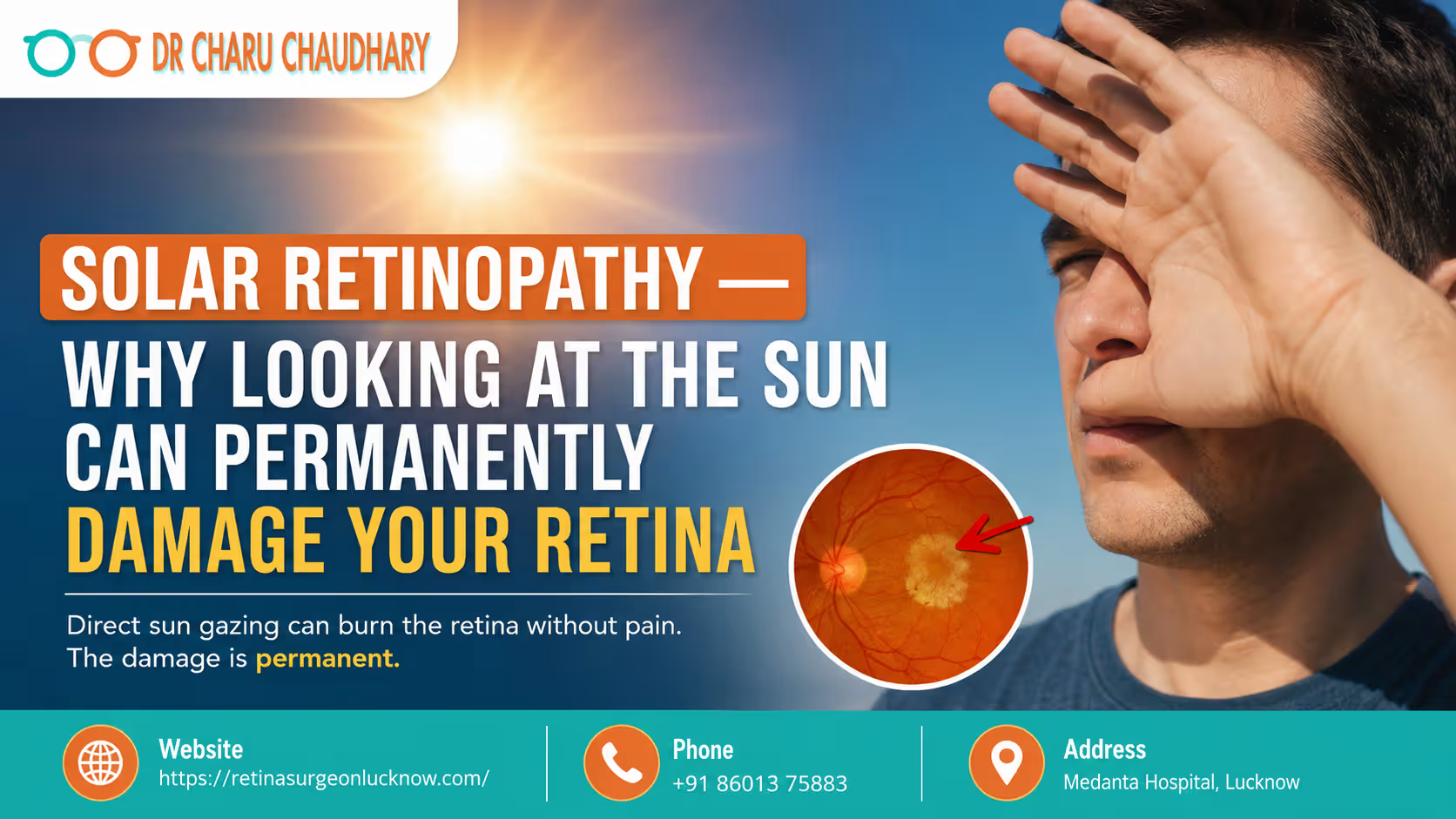
The human eye is a marvel of biological engineering, capable of processing millions of pieces of information every second. However, despite its complexity, it is incredibly fragile. One of the most significant yet preventable threats to our vision comes from an object we see every day: the sun. While sunlight is essential for life, directing your gaze toward it – even for a short period—can lead to a serious condition known as Solar Retinopathy. Solar Retinopathy occurs when intense sunlight damages the retina, particularly the macula. Even a few seconds of direct looking at the sun can cause blurred vision, blind spots, distorted vision, and sometimes permanent retinal damage. In this comprehensive guide, we will explore the mechanisms of solar eye damage, why the macula is so vulnerable, and what steps you should take if you suspect your vision has been compromised. According to Dr Charu Chaudhary, a leading Retina Surgeon in Lucknow, awareness is the first line of defense against this potentially sight-threatening condition. What Is Solar Retinopathy? Solar retinopathy is a clinical condition characterized by damage to the retinal tissues, specifically the fovea, resulting from exposure to solar radiation. It is most commonly associated with watching a solar eclipse without proper eye protection, but it can also occur from “sun gazing” during religious rituals, meditation, or accidental direct exposure. Why Looking at the Sun Is More Dangerous Than Most People Realize Many people assume that the eye’s natural “blink reflex” or the discomfort caused by bright light is enough to protect them. However, the sun’s rays are powerful enough to bypass these defenses. When you stare at the sun, your eye acts like a magnifying glass, focusing the intense light onto a tiny spot on your retina. This concentration of energy can literally “cook” the delicate light-sensing cells. Can Just a Few Seconds of Sun Gazing Cause Permanent Damage? The short answer is yes. The intensity of solar radiation is such that photochemical damage can begin in as little as a few seconds. Because the retina lacks pain receptors, you will not feel the damage occurring. You might only realize the extent of the injury hours later when your vision begins to blur, or a dark spot appears in your central field of view. Why Awareness Is Important Education is critical because solar retinopathy is entirely preventable. Dr Charu Chaudhary emphasizes that many patients who visit a Retina Specialist in Lucknow after a solar eclipse or sun-gazing activity were unaware of the risks. Understanding how the eye processes light and where the damage occurs is essential for lifelong eye health. Understanding the Retina and How Vision Works To understand solar retinopathy, one must first understand the anatomy of the eye. What Is the Retina? The retina is the thin layer of light-sensitive tissue lining the back of the eye. Think of it as the “film” in a traditional camera or the digital sensor in a smartphone. Its job is to receive light that the lens has focused, convert that light into neural signals, and send these signals to the brain for visual recognition. What Is the Macula? At the very center of the retina lies the macula. This small area is responsible for our central, high-resolution vision. It allows us to read, drive, recognize faces, and see fine details. Within the macula is the fovea, the point of sharpest vision. This is the area most frequently damaged in solar retinopathy. Why the Retina Is Extremely Sensitive to Light The retina contains millions of specialized cells called photoreceptors (rods and cones). These cells are packed with light-sensitive pigments. While they are designed to detect light, they are also highly susceptible to “oxidative stress” when overwhelmed by high-intensity radiation. How the Retina Converts Light Into Vision When light hits the photoreceptors, it triggers a chemical reaction that generates an electrical impulse. These impulses travel through the optic nerve to the visual cortex of the brain. When intense solar energy hits these cells, the chemical reaction becomes hyper-activated, leading to the production of toxic free radicals that destroy the cell structure. How Sunlight Damages Your Retina Solar retinopathy isn’t just a simple “burn.” It involves complex biological processes. Thermal Injury vs. Photochemical Injury What Happens Inside the Eye During Sun Exposure When you look at the sun, the lens of your eye focuses the sun’s rays into a tiny point on the fovea. The energy density at this point is thousands of times higher than the ambient light. This causes an immediate disruption of the outer segments of the photoreceptors. Why UV and Visible Light Can Harm Retinal Cells While the cornea and lens filter out most UV-B and UV-C rays, UV-A and high-energy visible (HEV) blue light reach the retina. These wavelengths carry enough energy to break molecular bonds within the retinal cells. Can Damage Occur Without Pain? This is the most dangerous aspect of solar retinopathy. The retina has no nerves that transmit pain. Therefore, a person can stare at the sun long enough to cause permanent blindness without feeling any physical discomfort until the visual symptoms manifest later. The Mechanism of Solar Retinal Damage (Step-by-Step) Step Process Action in the Eye 1 Direct Exposure Intense solar radiation enters the pupil. 2 Focusing The cornea and lens concentrate the light onto the macula/fovea. 3 Absorption Retinal pigments (melanin and lipofuscin) absorb the energy. 4 Chemical Stress Formation of free radicals and reactive oxygen species. 5 Cellular Damage Destruction of the photoreceptor outer segments and RPE. 6 Inflammation The body’s immune response causes localized swelling and fluid. Common Causes of Solar Retinopathy While the sun is the source, the context of exposure varies. Symptoms of Solar Retinopathy Symptoms usually do not appear immediately. They typically manifest 4 to 12 hours after exposure. Symptom Severity Chart Severity Level Visual Impact Potential Outcome Mild Slight blurring, mild light sensitivity. High chance of full recovery in 1–3 months. Moderate Noticeable central gray spot, distorted lines. Partial recovery likely; some permanent blurring. Severe Dense black spot in central vision, significant vision
In recent years, the prevalence of retinal diseases has seen a significant surge across India, with Lucknow being no exception. As a major healthcare hub in Uttar Pradesh, Lucknow witnesses thousands of patients daily seeking specialized care for vision-threatening conditions. The retina, a thin layer of light-sensitive tissue at the back of the eye, acts much like the film in a traditional camera. When it becomes damaged due to age, diabetes, or trauma, the consequences can be devastating, often leading to irreversible vision loss if left untreated. One of the primary concerns for patients and their families when facing a retinal diagnosis is the financial aspect. “How much will the treatment cost?” is usually the first question asked after a diagnosis is confirmed. Understanding the Retina Treatment Cost is essential for making informed decisions, planning finances, and ensuring that quality care is not delayed. Early intervention is not just a clinical necessity; it is a financial strategy. Detecting a retinal tear early might cost a few thousand rupees for a laser procedure, whereas ignoring it could lead to a retinal detachment requiring surgery costing tens of thousands. Retina Treatment Cost in Lucknow varies depending on the retinal condition, diagnostic tests, treatment method, and whether surgery is required. Early diagnosis often reduces complications, treatment complexity, and overall healthcare expenses, ensuring better visual outcomes at a lower cost. Quick Facts: Retina Treatment at a Glance Service/Treatment Approximate Cost Range (INR) Recovery Timeline Consultation (Retina Specialist) ₹500 – ₹1,500 Immediate OCT Scan (Optical Coherence Tomography) ₹1,500 – ₹3,500 Immediate Fundus Photography/Angiography ₹2,000 – ₹5,000 1 – 2 Hours Retina Laser Treatment (per session) ₹5,000 – ₹15,000 1 – 2 Days Anti-VEGF Injection (per dose) ₹7,000 – ₹60,000 1 – 3 Days Retinal Detachment Surgery ₹40,000 – ₹1,20,000 2 – 6 Weeks Vitrectomy Surgery ₹50,000 – ₹1,50,000 3 – 8 Weeks What Is the Retina and Why Is It Important? Understanding the Role of the Retina The retina is arguably the most vital part of the eye’s anatomy. It is a complex, multi-layered structure that captures light entering the eye and converts it into electrical signals. These signals are then transmitted via the optic nerve to the brain, which interprets them as images. Without a functioning retina, the eye may be structurally intact, but the “vision” process cannot occur. How the Retina Helps You See Think of the retina as the “sensor” of your eye. The central part of the retina, known as the macula, is responsible for sharp, detailed, central vision. This allows you to read, drive, and recognize faces. The peripheral retina provides you with side vision, helping you navigate your surroundings. What Happens When the Retina Is Damaged? Unlike some other tissues in the body, the retina has a very limited capacity to regenerate. Damage caused by high blood sugar (diabetes), high blood pressure, or physical trauma can lead to scarring, bleeding, or detachment. When the retina is damaged, images become blurred, distorted, or vanish entirely. Because the retina is directly connected to the brain’s visual cortex, any delay in treatment can lead to permanent atrophy of the nerve fibers. Common Retina Conditions That Require Treatment Understanding the specific condition you have is the first step in estimating the retinal disease treatment cost. Different pathologies require vastly different approaches. 1. Diabetic Retinopathy This is the leading cause of blindness among working-age adults. Chronic high blood sugar damages the tiny blood vessels inside the retina. 2. Retinal Detachment A medical emergency where the retina pulls away from its underlying layer of support tissue. 3. Age-Related Macular Degeneration (AMD) Common in individuals over 50, AMD affects the macula. 4. Retinal Vein Occlusion (RVO) A blockage of the small veins that carry blood away from the retina. This often causes sudden, painless vision loss in one eye and requires injections or laser treatment to manage swelling (edema). 5. Macular Edema This refers to the swelling of the macula, often a complication of diabetes or RVO. The eye retina treatment for this usually involves a series of injections. 6. Retinal Tears and Holes Small breaks in the retina can lead to detachment. These are often treated quickly with “green laser” therapy to seal the edges of the tear. Retina Treatment Cost in Lucknow: Overview Lucknow offers a wide spectrum of eye care, ranging from government-run charitable hospitals to ultra-modern private eye centers. The Retina treatment price in Lucknow is generally more affordable than in Delhi or Mumbai, but the quality of technology and surgical expertise remains world-class. Average Cost Range A patient can expect to spend anywhere from ₹5,000 for a minor laser procedure to ₹1,50,000 for a complex vitreoretinal surgery involving imported silicon oil or gases. Why Treatment Costs Vary It is difficult to provide a single “price tag” for retina care because no two eyes are the same. A Retina specialist in Lucknow will determine the price based on: Diagnostic Investigation Costs Accurate diagnosis is the foundation of successful treatment. Before any procedure, a Retina Specialist in Lucknow will perform several tests to map the extent of the damage. Diagnostic Test Purpose Estimated Cost (INR) Consultation Fee Expert evaluation of the eye ₹500 – ₹1,500 OCT Scan Cross-sectional imaging of the retina ₹1,500 – ₹3,500 Fundus Fluorescein Angiography (FFA) Mapping blood flow with dye ₹2,500 – ₹4,500 B-Scan Ultrasound Seeing the retina when cataracts are present ₹800 – ₹1,500 Indocyanine Green Angiography (ICG) Visualizing deeper choroidal vessels ₹5,000 – ₹8,000 Optical Coherence Tomography Angiography (OCTA) Non-invasive blood flow mapping ₹3,000 – ₹6,000 The retina checkup cost usually includes a dilated eye exam and at least one imaging test, like an OCT. Factors That Affect Retina Treatment Cost When budgeting for your care, consider these influencing factors: Anti-VEGF Injection Cost in Lucknow Anti-VEGF (Vascular Endothelial Growth Factor) injections have revolutionized retina care. They “dry up” leaking vessels and are the gold standard for Wet AMD and Diabetic Macular Edema. What Are Anti-VEGF Injections? These are medications injected directly into the vitreous (the gel-like substance in the eye). The procedure is done under local anesthesia and takes less than
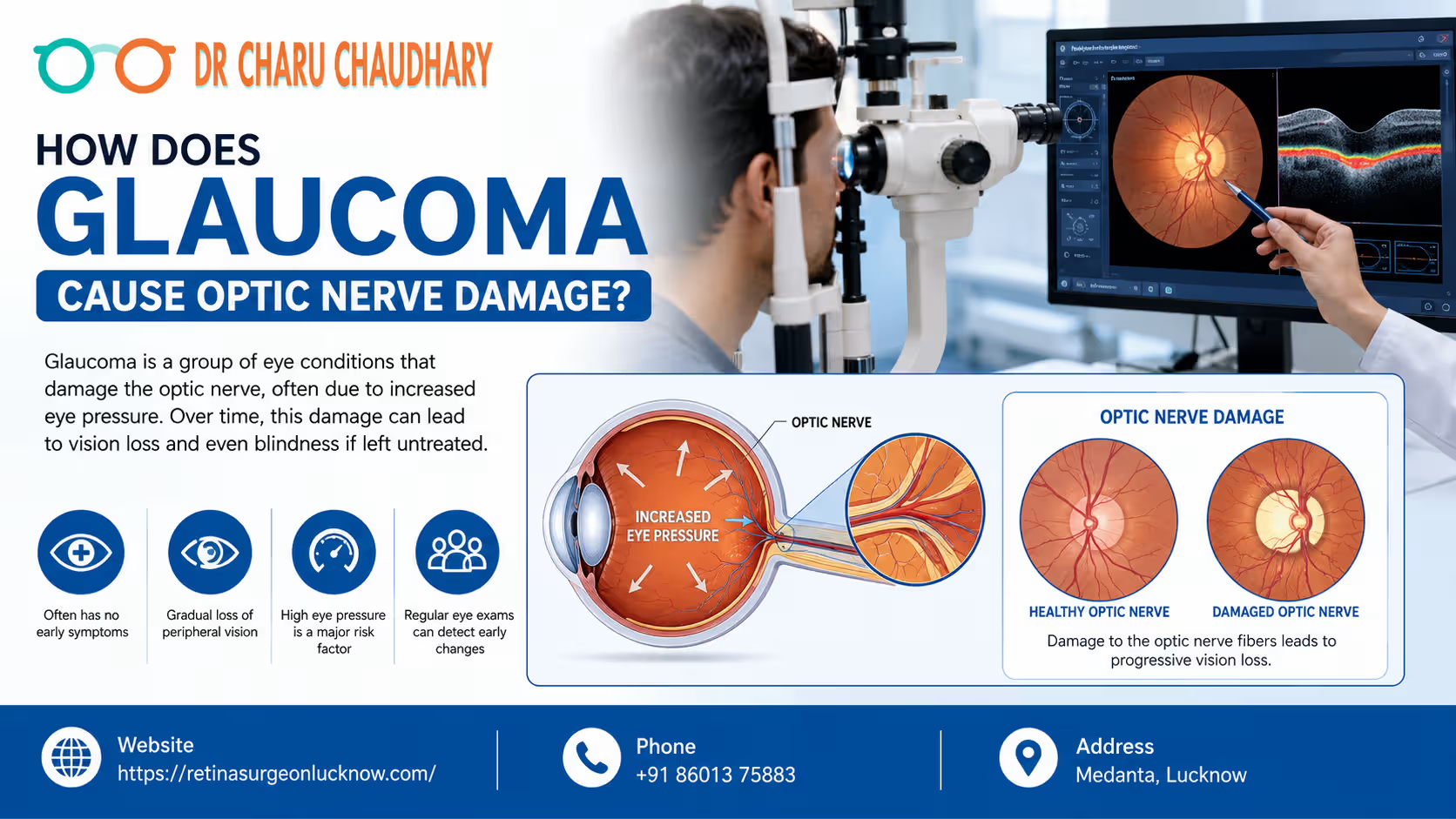
Vision is often considered our most precious sense, yet many of us take it for granted until it begins to fade. Among the various conditions that can threaten our sight, glaucoma stands out as one of the most mysterious and dangerous. Often called the “silent thief of sight,” glaucoma is a group of eye conditions that damage the optic nerve—the vital link between your eye and your brain. Because this damage often happens slowly and without pain, millions of people worldwide are unaware they even have the condition until significant vision loss has occurred. Understanding the relationship between glaucoma and optic nerve health is the first step toward prevention. In this comprehensive guide, we will explore the mechanics of glaucoma optic nerve damage, why early detection is life-changing, and how experts like Dr. Charu Chaudhary are helping patients preserve their vision. How Glaucoma Damages the Optic Nerve Glaucoma causes optic nerve damage by increasing pressure inside the eye or reducing blood supply to the nerve fibers. Over time, this pressure crushes sensitive nerve cells, leading to permanent vision loss if the condition is not detected and treated early. What Is Glaucoma? Understanding the Basics At its core, glaucoma is not just a single disease but a category of ocular disorders characterized by progressive damage to the optic nerve. Understanding Glaucoma in Simple Terms Think of your eye like a sink with a faucet and a drain. The “faucet” produces a clear fluid called aqueous humor to nourish the eye. The “drain” (located at the angle where the iris and cornea meet) allows this fluid to leave. In a healthy eye, the production and drainage are balanced. In glaucoma, the drain gets clogged or works inefficiently, causing fluid to build up. This buildup increases pressure, which eventually pushes against the optic nerve. How Common Is Glaucoma? Glaucoma is a leading cause of irreversible blindness globally. According to the World Health Organization (WHO), it is the second leading cause of blindness after cataracts. However, unlike cataracts, which can be surgically “cured” to restore sight, the vision loss caused by glaucoma is permanent. Why Glaucoma Is a Serious Eye Disease The danger of glaucoma lies in its stealthy nature. In the most common form (open-angle glaucoma), there are no symptoms in the early stages. No pain, no redness, and no sudden blurring. By the time a patient notices a “tunnel vision” effect, up to 40% of the optic nerve fibers may already be destroyed. This is why Dr. Charu Chaudhary emphasizes that regular screenings are the only way to catch the thief before it steals your sight. Can Glaucoma Cause Permanent Blindness? Yes. If left untreated, glaucoma eventually destroys the entire optic nerve, resulting in total blindness. However, with modern medical interventions and early diagnosis by the Best Eye Specialist in Lucknow, the vast majority of patients can maintain functional vision for the rest of their lives. What Is the Optic Nerve and Why Is It Important? To understand glaucoma optic nerve damage, we must first understand what the optic nerve does. How the Optic Nerve Connects the Eye to the Brain The optic nerve is often described as the “electric cable” of the eye. It is composed of more than a million tiny nerve fibers (retinal ganglion cells). These fibers collect visual information from the retina (the light-sensitive tissue at the back of the eye) and transmit it to the brain. How Visual Signals Travel Why Healthy Optic Nerves Are Essential for Vision Without a functional optic nerve, the eye and the brain cannot communicate. Even if your eye is perfectly healthy in every other way—clear lens, healthy retina, perfect cornea—you will be blind if the optic nerve is severed or destroyed. It is the “bridge” of sight. What Happens When the Optic Nerve Gets Damaged? When the fibers within the optic nerve begin to die, the “cable” loses its ability to transmit full images. Initially, the brain compensates for small gaps in the visual field. However, as more fibers die, the gaps become larger, leading to permanent blind spots. How Does Glaucoma Cause Optic Nerve Damage? The process of damage is complex and can involve several biological mechanisms. 1. Increased Eye Pressure (Intraocular Pressure – IOP) High intraocular pressure is the most significant risk factor for glaucoma. When fluid (aqueous humor) cannot drain properly, the pressure inside the eye rises. This pressure exerts physical force on the optic nerve head (the point where the nerve leaves the eye). Over time, this mechanical stress compresses the nerve fibers and the tiny blood vessels that nourish them. 2. Reduced Blood Supply to the Optic Nerve Some patients develop glaucoma even with “normal” eye pressure. This suggests that poor blood flow (ischemia) to the optic nerve also plays a role. If the blood vessels supplying the nerve are narrow or if blood pressure is too low, the nerve cells don’t get enough oxygen and nutrients, leading to cell death. 3. Damage to Retinal Nerve Fibers The optic nerve is made of the axons of retinal ganglion cells. Glaucoma specifically targets these cells. The high pressure or low blood flow triggers a process called “apoptosis” or programmed cell death. Once these cells die, they do not regenerate. 4. Progressive Loss of Nerve Cells The damage usually starts at the outer edges of the optic nerve, which corresponds to our peripheral (side) vision. As the disease progresses, the damage moves inward toward the center, eventually affecting central vision and leading to total blindness. Why the Damage Is Usually Permanent Unlike skin or bone, the nerve cells in the human central nervous system (which includes the optic nerve) do not have the capacity to regrow once they are dead. This is why glaucoma treatment focuses on “saving what’s left” rather than “restoring what’s lost.” The Step-by-Step Process of Glaucoma Damage Glaucoma is a journey of progression. Understanding these stages can help patients realize where they stand. Stage What is Happening? Impact on Vision Stage 1: Increased Pressure Fluid drainage slows down; IOP begins to rise. No noticeable
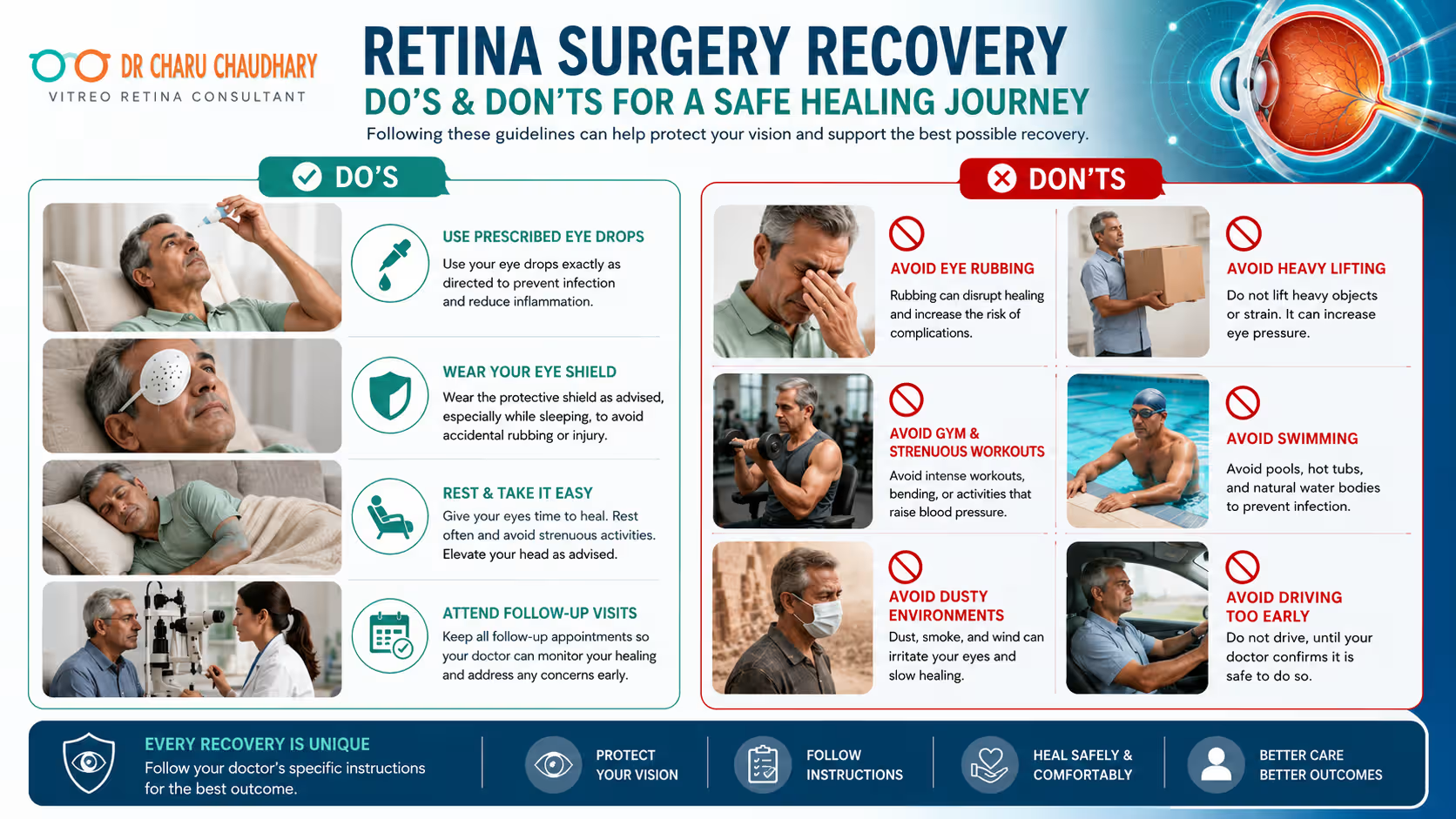
The success of a retinal procedure does not end when the surgeon steps out of the operating room. In fact, for many patients, the most critical phase begins the moment they head home. The retina is a delicate, light-sensitive tissue at the back of the eye, responsible for translating light into the images we see. Because it is so fragile, surgery involving the retina—whether to repair a detachment, clear a hemorrhage, or fix a macular hole—requires a meticulous and disciplined recovery process. Understanding the do’s and don’ts after retina surgery is essential for protecting your vision and ensuring the surgical site heals correctly. Many patients feel anxious about what they can and cannot do. This guide is designed to provide comprehensive, expert-backed information to help you navigate your recovery journey with confidence. Recovery after retina surgery requires careful eye protection, proper medication use, follow-up appointments, and activity restrictions. Following your surgeon’s instructions can reduce complications, support healing, and improve long-term visual outcomes. Understanding Retina Surgery What Is the Retina? The retina is a thin layer of neural tissue lining the inner back surface of the eye. Think of it as the “film” in a traditional camera. It captures light rays that enter the eye and converts them into electrical impulses that the brain interprets as images. If the retina is damaged, scarred, or detached, the “film” becomes distorted or blank, leading to significant vision loss or even permanent blindness. Common Conditions Requiring Retina Surgery Retinal surgery is usually recommended when conservative treatments are insufficient. Common conditions include: Types of Retina Surgery Modern ophthalmology utilizes advanced techniques to repair these issues. According to Dr Charu Chaudhary, a renowned expert and the Best Retina Specialist in Lucknow, understanding your specific procedure helps in adhering to recovery protocols. Vitrectomy This is the most common retina surgery. The surgeon removes the vitreous gel (the clear fluid filling the eye) to better access the retina. The vitreous is then replaced with a saline solution, a gas bubble, or silicone oil. Retinal Detachment Surgery Techniques include Scleral Buckling (placing a flexible band around the eye to push the wall against the retina) or Pneumatic Retinopexy (injecting a gas bubble into the eye to push the retina back into place). Macular Hole Surgery Usually involves a vitrectomy followed by “peeling” a very thin membrane from the surface of the retina to encourage the hole to close. A gas bubble is almost always used here. Epiretinal Membrane Surgery Similar to macular hole surgery, the surgeon removes the vitreous and then delicately peels the scar tissue (membrane) off the retina to reduce distortion. What to Expect Immediately After Retina Surgery The first few hours and days following surgery are often the most uncomfortable, but they are also the most vital for long-term success. First 24 Hours Immediately after surgery, you will likely wear an eye patch and a protective plastic shield. You may feel groggy from sedation. It is normal to feel a “scratchy” sensation, as if there is sand in your eye. This is often due to the tiny incisions or sutures used during the procedure. Vision Changes After Surgery Do not be alarmed if your vision is extremely blurry or if you can only see light and shadows immediately after surgery. If a gas bubble was used, your vision will be blocked by the bubble, making it feel like you are looking through water or a dark curve. As the bubble dissipates, your vision will gradually clear from the top down. Eye Discomfort and Redness The white part of your eye (the sclera) may appear very red or even bloodshot. This is a common side effect of the surgical manipulation and will resolve over 2–3 weeks. Mild aching is normal and can usually be managed with over-the-counter pain relief recommended by your specialist. Protective Eye Shield You will be instructed to wear a protective shield, especially while sleeping, for at least the first week. This prevents accidental rubbing or pressure on the eye during the night. Recovery Timeline After Retina Surgery Recovery is a marathon, not a sprint. Below is a general timeline for recovery after retina surgery. Recovery Period What Patients Can Expect First 24 Hours Patching of the eye, significant blurring, mild pain, and the need for total rest. First Week Frequent use of antibiotic/steroid eye drops; strict head positioning (if a bubble was used); restricted activity. 2–4 Weeks Redness fades; vision begins to stabilize; gas bubble (if used) starts to shrink; can often return to light office work. 1–3 Months Most activity restrictions are lifted; vision continues to improve; final eye glass prescription may be updated. 3–6 Months Full healing achieved; the “new normal” for vision is established; long-term monitoring continues. Note: Every patient heals differently. Always follow the specific timeline provided by Dr Charu Chaudhary or your attending retina specialist. Important Do’s After Retina Surgery Use Eye Drops Exactly as Prescribed Your surgeon will prescribe a combination of antibiotic drops (to prevent infection) and steroid drops (to reduce inflammation). Attend All Follow-Up Visits Post-operative appointments are non-negotiable. Your surgeon needs to monitor the intraocular pressure (IOP) and ensure the retina is staying in place. Missing an appointment could mean missing early signs of a complication. Maintain Proper Head Positioning If a gas or oil bubble was placed in your eye, you may be required to maintain a specific head position (face-down or side-lying) for 23 hours a day for 1–2 weeks. This ensures the bubble floats to the correct spot to “plug” the retinal tear or hole. Protect Your Eye From Injury Wear your eye shield as instructed. Even during the day, wearing your regular glasses can provide a physical barrier against accidental pokes or dust. Get Adequate Rest Your body heals faster when it is well-rested. Avoid the temptation to “be productive” during the first week. Focus on sleeping and staying relaxed. Keep Blood Sugar and BP Under Control High blood sugar or blood pressure can interfere with the healing of delicate retinal blood vessels. This is especially
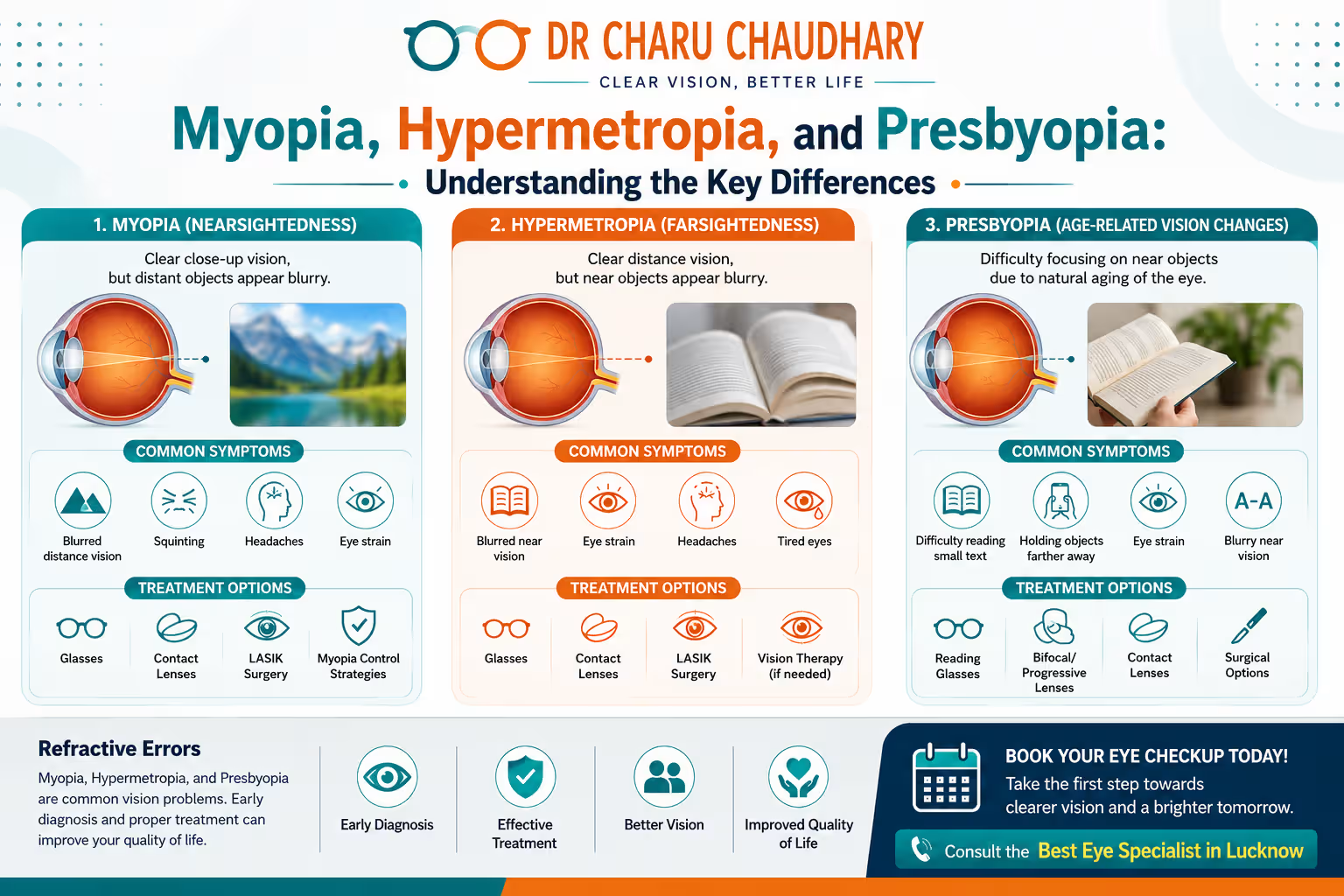
Clear vision is something many of us take for granted until things start to look a little blurry. Whether you are struggling to read the fine print on a menu, finding it hard to see road signs while driving, or noticing that your child is squinting at the television, vision changes can be unsettling. The most common reasons for blurred vision are refractive errors. While the terms Myopia, Hypermetropia, and Presbyopia might sound like complex medical jargon, they represent the three most frequent ways our eyes struggle to focus light. Understanding these conditions is the first step toward reclaiming clear sight and maintaining long-term eye health. Myopia, Hypermetropia, and Presbyopia are common refractive errors affecting how the eye focuses light. Myopia (nearsightedness) causes difficulty seeing distant objects. Hypermetropia (farsightedness) affects near vision clarity. Presbyopia is an age-related condition where the eye’s lens loses flexibility, making it difficult to focus on close-up tasks like reading. Introduction Vision is perhaps our most dominant sense, guiding how we interact with the world, learn, and work. However, according to the World Health Organization, refractive errors are the leading cause of vision impairment globally. Despite their prevalence, many people confuse these conditions, leading to delayed treatment or incorrect assumptions about their eye health. The modern lifestyle—characterized by increased screen time and less outdoor activity—has led to a surge in cases of Myopia, especially among children. On the other hand, as the global population ages, Presbyopia has become a universal experience for those over 40. Meanwhile, Hypermetropia often goes undiagnosed in children because the eye’s internal muscles work overtime to compensate, often leading to hidden eye strain. Early diagnosis is vital. Uncorrected refractive errors don’t just cause blurriness; they can lead to chronic headaches, reduced productivity, and, in children, developmental delays or “lazy eye” (amblyopia). This guide will break down the mechanics of the eye, explain the differences between these three conditions, and help you understand the path to perfect vision. How Normal Vision Works To understand what goes wrong in refractive errors, we must first understand how a “normal” eye (emmetropia) functions. Anatomy of the Eye Think of your eye as a high-tech camera. It has a protective outer layer, a lens for focusing, and a “film” or sensor at the back that captures the image. The main components involved in vision are the cornea, the lens, and the retina. Role of the Cornea and Lens Light enters the eye through the cornea, the clear, dome-shaped front surface. The cornea provides most of the eye’s optical power by bending (refracting) incoming light. Behind the cornea sits the crystalline lens, which is flexible. This flexibility allows the lens to change shape to fine-tune your focus, a process called accommodation. How Light Focuses on the Retina In a perfectly shaped eye, the cornea and lens work in harmony to bend light rays so they land precisely on a single focal point on the retina. The retina is a light-sensitive layer of tissue at the back of the eye. It converts light into neural signals and sends them via the optic nerve to the brain, which interprets them as images. What Happens When Vision Becomes Blurry Vision becomes blurry when the light does not land exactly on the retina. If the eye is too long, too short, or the cornea is too curved, the light focus lands in front of or behind the retina. This mismatch is what we call a refractive error. What Are Refractive Errors? Definition of Refractive Errors A refractive error is a type of vision problem that makes it hard to see clearly. It happens when the shape of your eye keeps light from focusing correctly on your retina. It is not a “disease” in the traditional sense, but rather an anatomical mismatch in the eye’s optical system. Why Refractive Errors Occur Refractive errors typically occur due to one of three factors: Common Types of Refractive Errors The four main types are: Impact on Daily Life Uncorrected refractive errors can make it difficult to perform everyday tasks. For a student, it means not being able to see the whiteboard. For a professional, it means digital eye strain and blurred text. For an older adult, it can mean a loss of independence when reading labels or using a phone. What Is Myopia (Nearsightedness)? Understanding Myopia Myopia, commonly known as nearsightedness, is a condition where close-up objects appear clear, but distant objects—like street signs or a movie screen—look blurry. It is the most common refractive error worldwide and is reaching epidemic levels in urban populations. Causes of Myopia Myopia occurs when the eyeball is too long relative to the focusing power of the cornea and lens. This causes light rays to focus at a point in front of the retina instead of directly on its surface. It can also be caused by a cornea that is too steeply curved. Symptoms of Myopia Risk Factors How Myopia Progresses Myopia usually starts in childhood and can progress until the early 20s as the eyeball continues to grow. High myopia (severe nearsightedness) increases the risk of serious eye conditions later in life, such as retinal detachment, cataracts, and glaucoma. Treatment Options What Is Hypermetropia (Farsightedness)? Understanding Hypermetropia Hypermetropia, or farsightedness, is a condition where distant objects are usually seen clearly, but close-up objects appear significantly blurred. However, the experience of hypermetropia varies by age; young people with mild hypermetropia may see clearly at all distances because their eyes can compensate, while older individuals may struggle with both near and far vision. Causes of Hypermetropia This occurs when the eyeball is too short or the cornea has too little curvature. As a result, light focuses at a point behind the retina. Symptoms of Hypermetropia Risk Factors Hypermetropia is often present at birth, but children frequently “outgrow” it as the eyeball lengthens during normal growth. It is highly hereditary. Complications if Left Untreated In children, significant uncorrected hypermetropia can lead to strabismus (crossed eyes) or amblyopia (lazy eye) because the brain begins to ignore the signals from the eye that is more out of focus. Treatment Options What Is
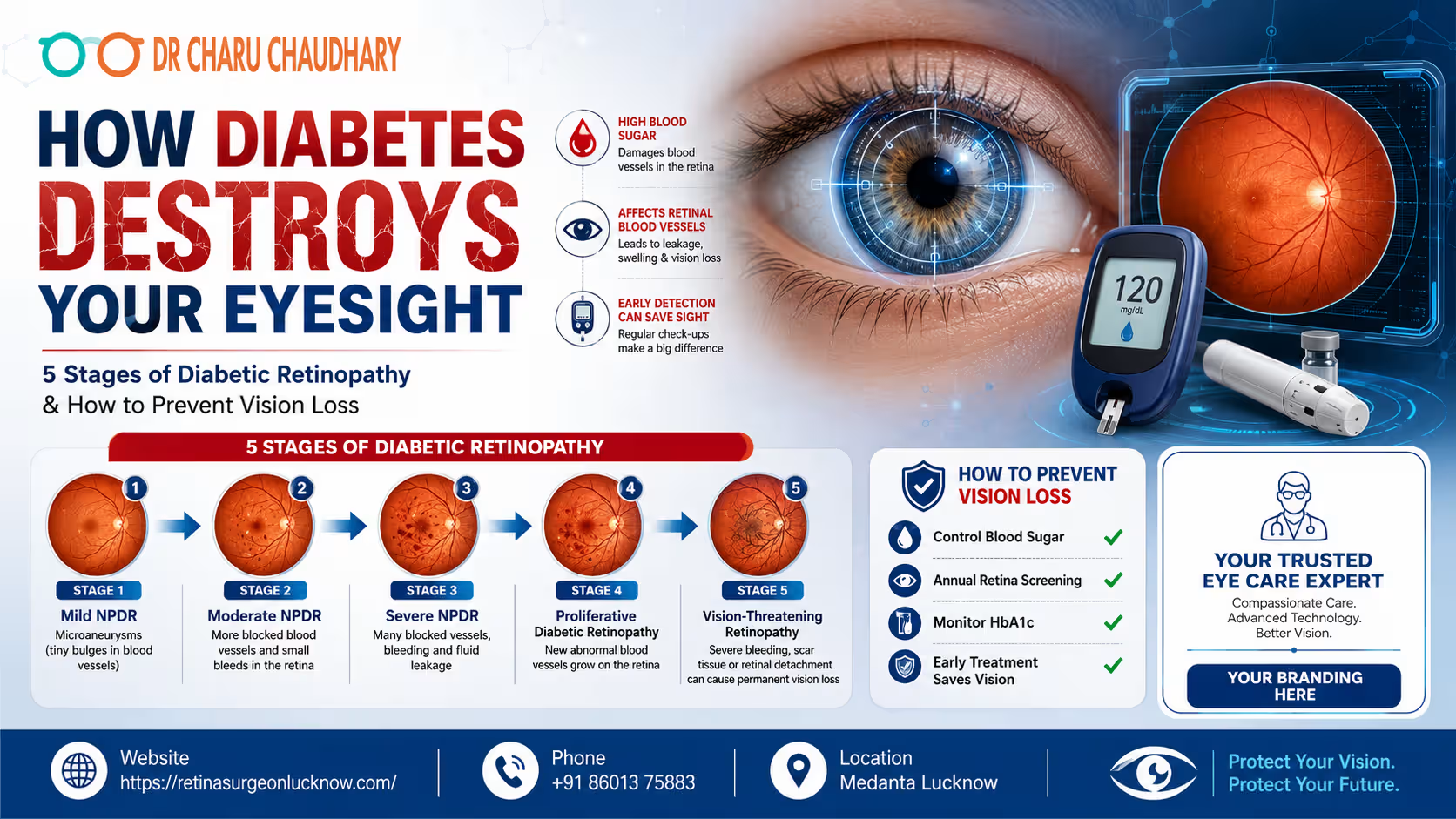
India is currently facing a dual epidemic: the explosion of diabetes and the subsequent rise in vision impairment. As the “Diabetes Capital of the World,” the burden of managing complications like diabetic retinopathy has never been more critical. This condition, often referred to as the “silent thief of sight,” remains the leading cause of preventable blindness in adults worldwide. Diabetic Retinopathy is a diabetes-related eye disease caused by damage to retinal blood vessels. Early diagnosis, good blood sugar control, and regular retina screening can help prevent severe vision loss and blindness. The Hidden Link Between Blood Sugar and Blindness The numbers are startling. According to recent health surveys, nearly one in every three people with diabetes will develop some form of eye damage. In the bustling landscape of Uttar Pradesh, particularly in cities like Lucknow, the prevalence of Type 2 diabetes is shifting toward younger age groups. This shift means people are living with high blood sugar for longer periods, significantly increasing the window for “Diabetic Vision Loss” to occur. Most patients believe that if they can see clearly, their eyes are healthy. This is a dangerous misconception. Diabetic retinopathy often begins without a single symptom. By the time vision becomes blurred or “floaters” appear, the disease has likely progressed to a stage where advanced medical intervention is required. This guide aims to bridge the gap between awareness and action, helping you understand how diabetes affects your eyes and what you can do to stop it. Key Facts About Diabetic Retinopathy To understand the gravity of this condition, let’s look at the data provided by global health leaders like the WHO, International Diabetes Federation (IDF), and the American Academy of Ophthalmology (AAO): What Is Diabetic Retinopathy? At its core, Diabetic Retinopathy is a microvascular complication. The retina is the thin layer of light-sensitive tissue at the back of your eye. It functions like the sensor in a digital camera, capturing light and converting it into electrical signals that the brain interprets as images. For the retina to function, it requires a constant and healthy supply of oxygen and nutrients through a network of tiny, delicate blood vessels. When blood sugar levels remain high for extended periods, it damages the structural integrity of these vessels. They become weak, leak fluid, or close off entirely. This process is the foundation of “Diabetic Eye Disease.” How Diabetes Affects Your Eyesight The destruction of eyesight via diabetes is a progressive, biological cascade: Why Diabetic Eye Damage Often Goes Unnoticed The human brain is remarkably good at compensating for small gaps in vision. In the early stages of retinopathy, the damage usually occurs in the peripheral (side) retina. Because your central vision remains sharp, you may not notice anything is wrong. Furthermore, diabetic eye damage does not cause pain. Unlike a “red eye” or an infection, there is no physical discomfort to alert the patient. This “silent progression” is why annual diabetic eye screening is non-negotiable for every diabetic patient, regardless of their current visual clarity. The 5 Stages of Diabetic Retinopathy Medical professionals categorize the progression of this disease to determine the appropriate treatment path. Stage 1 – Mild Non-Proliferative Diabetic Retinopathy (NPDR) This is the “alert” stage. At this point, tiny, balloon-like swellings called microaneurysms appear in the retinal blood vessels. Stage 2 – Moderate Non-Proliferative Diabetic Retinopathy As the disease advances, more blood vessels swell and lose their ability to transport blood. They may begin to leak blood and fluid, causing the retina to look “spotted” during an exam. Stage 3 – Severe Non-Proliferative Diabetic Retinopathy In this critical stage, a large number of blood vessels are blocked, depriving several areas of the retina of blood flow. These areas secrete growth factors that signal the eye to start growing new vessels. Stage 4 – Proliferative Diabetic Retinopathy (PDR) This is the advanced, vision-threatening stage. The “proliferative” part refers to the rapid growth of new, fragile blood vessels (neovascularization) along the inside surface of the retina and into the vitreous gel. Stage 5 – Advanced Vision-Threatening Diabetic Retinopathy If PDR is left untreated, it leads to severe complications. The abnormal vessels can cause scar tissue to form, which can pull the retina away from the back of the eye (Tractional Retinal Detachment). It can also cause a form of high eye pressure called Neovascular Glaucoma. Stage-by-Stage Risk Chart Stage Pathological Features Vision Risk Recommended Action Stage 1: Mild Microaneurysms Very Low Annual Screening Stage 2: Moderate Vessel leakage & swelling Low 6-Month Monitoring Stage 3: Severe Multiple blocked vessels High 3-Month Monitoring/Laser Stage 4: Proliferative New fragile vessel growth Very High Injections / Laser Stage 5: Advanced Scarring & Detachment Extreme Vitrectomy Surgery Note: While these stages are sequential, a complication called Diabetic Macular Edema (DME) can happen at any of these stages, causing immediate central vision blurriness. Early Symptoms of Diabetic Retinopathy You Should Never Ignore While we emphasize that early stages are silent, you must be on the lookout for these “red flags”: Who Is Most at Risk of Diabetic Vision Loss? Certain factors act as “accelerants” for eye damage: Can Diabetic Retinopathy Cause Permanent Blindness? The short answer is yes, but it is not an inevitability. Blindness occurs when the disease reaches Stage 5, where the retina detaches or the optic nerve is damaged. However, with modern advancements, even patients with advanced stages can often have their vision stabilized. The key distinction is between “preventing” and “restoring.” It is much easier to prevent vision loss than it is to restore it once the retina has been scarred. This highlights the importance of a regular retina checkup. How Doctors Diagnose Diabetic Retinopathy Diagnosing this condition requires more than a simple eye chart test. A retina specialist in Lucknow will use a combination of: Dilated Eye Examination Using drops to enlarge the pupil, the doctor can see the entire retina clearly using a specialized microscope called a slit lamp. Optical Coherence Tomography (OCT Scan) This is a gold-standard diagnostic tool. It’s essentially an “ultrasound with light” that provides high-definition, cross-sectional images of the retina. It can
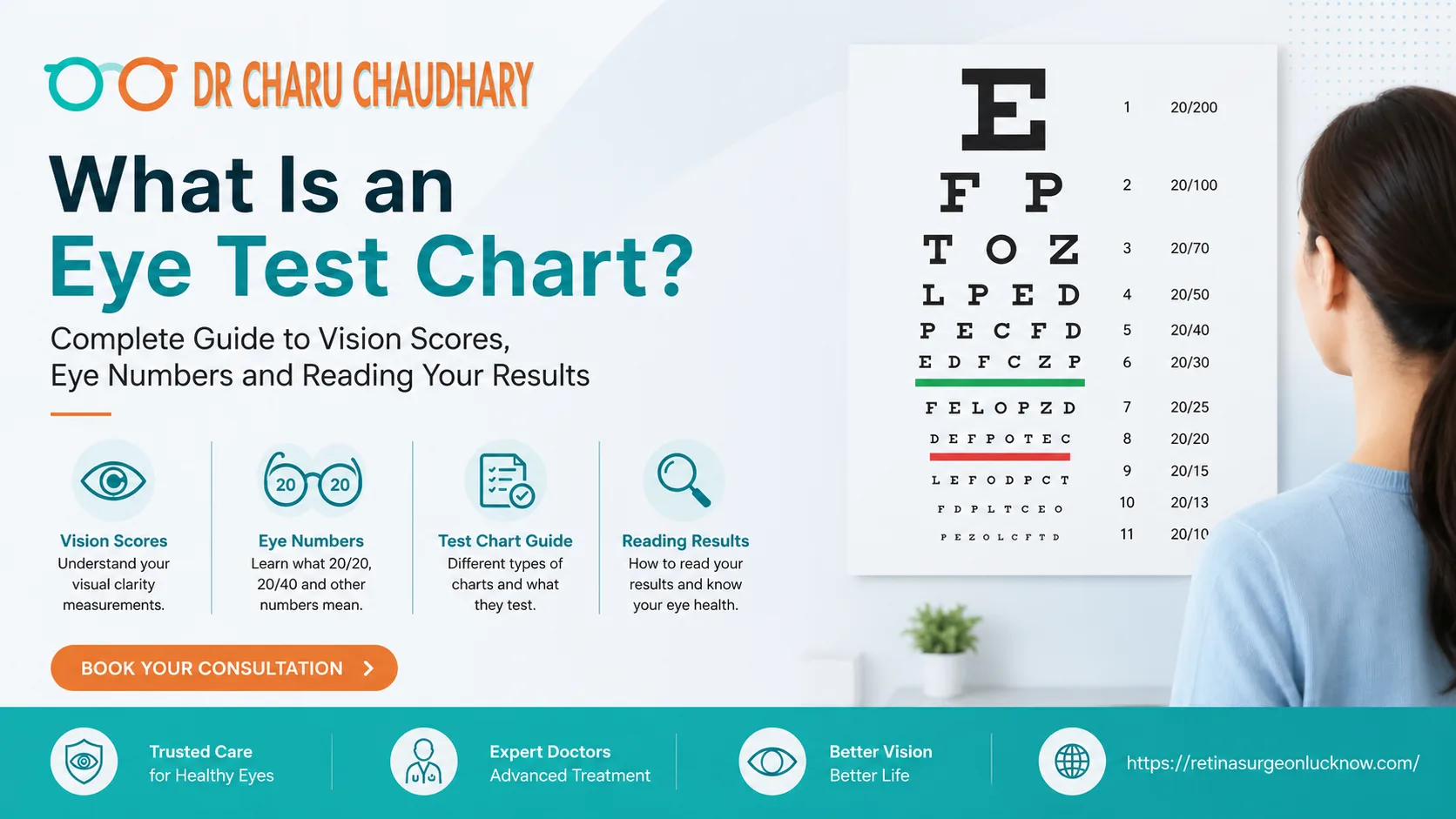
An eye test chart, most commonly the Snellen chart, is a clinical tool used by eye specialists to measure visual acuity and sharpness. During an eye exam, patients read rows of letters or symbols from a specific distance to determine their vision score, such as 20/20 or 6/6. These charts help doctors identify vision errors and determine if glasses or further medical treatments are necessary. Have you ever sat in a dim exam room, covering one eye, and trying to read a line of letters that seem to shrink as they go down? Most of us have encountered the classic “E” chart at some point. As an eye specialist, I, Dr. Charu Chaudhary, find that while many people have taken this test, very few actually understand what the results mean. “Does a minus number mean I’m going blind?” or “Is 20/20 vision perfect health?” are questions I hear daily. Understanding your vision shouldn’t be a mystery. This guide is designed to simplify the Snellen chart, decode those confusing eye numbers, and help you interpret your eye reports with confidence. Quick Summary If you are looking for a fast overview of vision scores, here are the essentials: What Is an Eye Test Chart? At its core, an eye test chart is a standardized way to measure “visual acuity.” Visual acuity refers to the sharpness or clarity of your vision at a specific distance. When you visit a clinic, we use these charts to determine if your eyesight meets the “normal” standard or if you have a refractive error that requires correction. The chart consists of various rows of “optotypes”—specially designed letters or symbols. While the chart looks simple, it is a scientifically calibrated tool. Each row represents a different level of visual ability. If you can read the small lines at the bottom, your brain and eyes are working together efficiently to process fine detail. The Snellen Chart — The Gold Standard of Vision Testing The most recognizable eye test chart in the world is the Snellen Chart. Developed in 1862 by Dutch ophthalmologist Herman Snellen, it remains the primary tool used by eye specialists like myself. How the Snellen Chart Works The chart typically features a large letter “E” at the top, followed by rows of letters that get progressively smaller. In my practice, I use the Snellen chart not just to prescribe glasses, but as a “vital sign” for the eye. A sudden drop in your ability to read the Snellen lines can alert us to underlying issues like cataracts or retinal changes. 6 Types of Eye Test Charts — Which One Is Right for You? While the Snellen chart is the most famous, eye specialists use various charts depending on the patient’s age and specific needs. 1. The Classic Snellen Chart Used for adults and children who know the alphabet. It uses a specific set of 10 letters (C, D, E, F, L, N, O, P, T, Z) known as Snellen optotypes. 2. The Tumbling E Chart This is used for people who cannot read the alphabet or for young children. The patient simply indicates which direction the “fingers” of the letter E are pointing (up, down, left, or right). 3. Landolt C Chart Similar to the Tumbling E, this chart uses a circle with a gap (like the letter C). The patient identifies where the gap is located. It is often used in international research for its high level of accuracy. 4. Pediatric Charts (LEA Symbols) For very young children, we use symbols like houses, apples, and hearts. This allows us to test a child’s vision before they even learn their ABCs. 5. Near Vision Charts (Jaeger Chart) This is a small, hand-held card used to test how well you see up close. It is essential for diagnosing “Presbyopia,” the age-related loss of near-focusing ability that usually begins after age 40. 6. Pelli-Robson Contrast Sensitivity Chart This chart doesn’t just measure size; it measures how well you can see objects against a background. This is crucial for patients with glaucoma or those who struggle with night driving. 📊Vision Score Chart — What Is a Normal Eye Test Reading? What does your score actually say about your eyesight? Here is a simple breakdown of common Snellen chart readings. Vision Score (Feet) Vision Score (Metric) Meaning 20/20 6/6 Normal Vision: You see at 20ft what a normal person sees at 20ft. 20/15 6/4.5 Excellent Vision: You see better than the average person. 20/40 6/12 Mild Blur: Most states require at least this for a driver’s license. 20/70 6/21 Moderate Impairment: You may struggle to read standard print without help. 20/200 6/60 Severe Impairment: This is the threshold for legal blindness in many regions. What is a “good” eye test score? A score of 20/20 is the clinical standard for “good” vision. However, having 20/20 vision does not necessarily mean your eyes are perfectly healthy—it just means they are seeing clearly at a distance. What is a “bad” eyesight score? If your score is 20/50 or higher (the second number is larger), your vision is significantly limited. At this stage, everyday tasks like recognizing faces across a street or reading street signs become difficult. 📊How to Read Your Eye Test Results — Prescription Decoder After you finish reading the Snellen chart, your specialist will give you a prescription. These numbers can be confusing. Let’s decode them into patient-friendly language. Term What it Means Simple Explanation OD Oculus Dexter Your Right Eye. OS Oculus Sinister Your Left Eye. SPH (Sphere) The main power Minus (-) means Nearsighted; Plus (+) means Farsighted. CYL (Cylinder) Astigmatism This corrects the “football shape” of your cornea. Axis The Angle The direction (0–180°) the astigmatism correction is placed. ADD Reading Power The “extra” boost needed for reading (bifocals/progressives). How do I read my eye test results? If your report says OD: -2.00 SPH, it means your right eye is nearsighted and needs two diopters of correction to see the 20/20 line on the Snellen chart. If it says +1.50 SPH, you are farsighted, and your
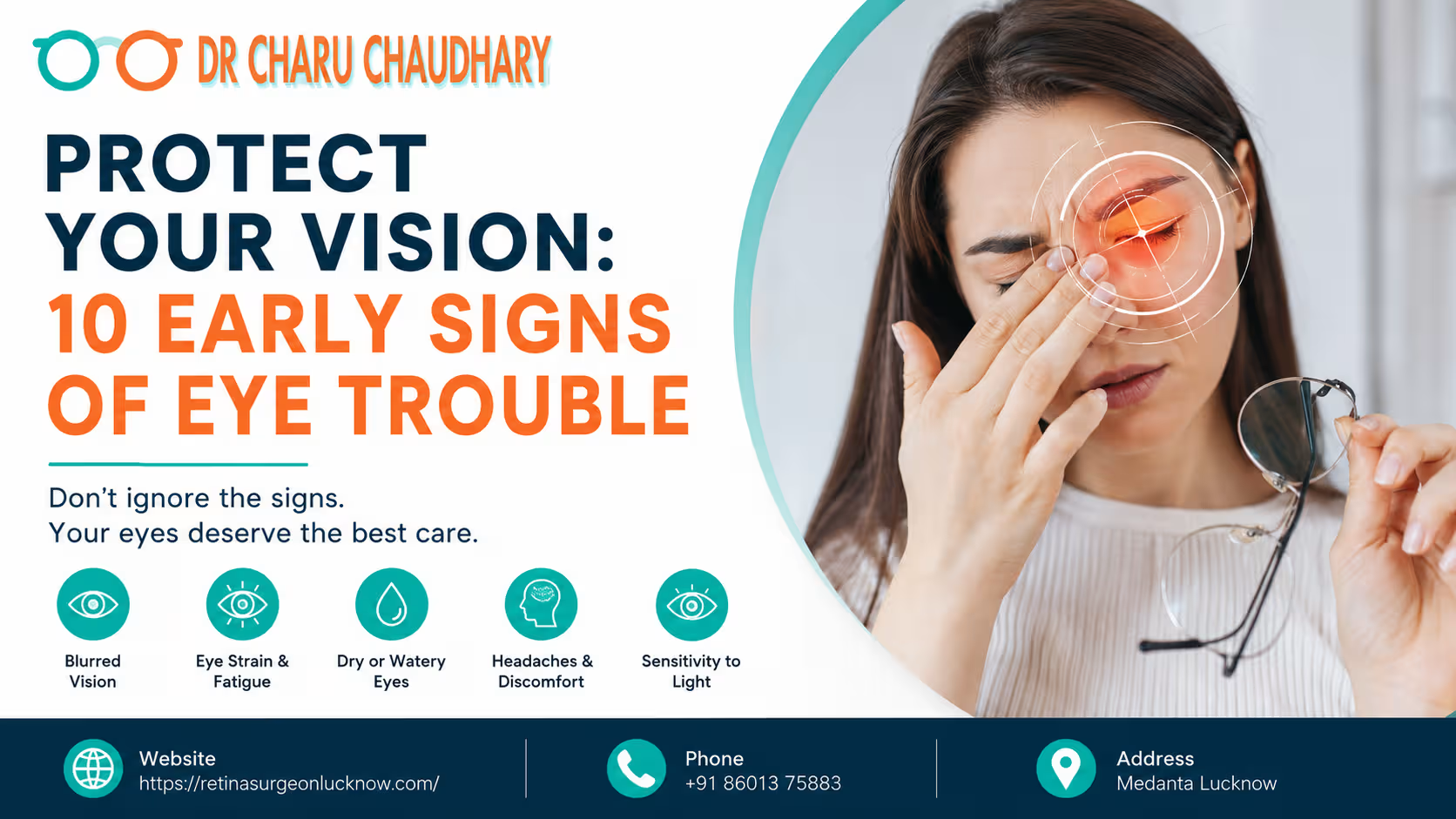
In the busy rhythm of our daily lives, we often take our senses for granted—especially our sight. Our eyes are arguably our most precious sensory organs, processing over 80% of the information we receive from the world around us. However, many of us ignore the subtle “whispers” our eyes send when something is wrong. From a slight blur while reading to a nagging headache after a day at the computer, these early signs of eye problems are often dismissed as mere tiredness or aging. Early signs of eye trouble may include blurry vision, eye pain, redness, floaters, headaches, sensitivity to light, or sudden vision changes. Timely diagnosis and regular eye checkups may help prevent serious vision complications. The reality is that many serious eye conditions, such as glaucoma or macular degeneration, develop silently. They often don’t cause significant pain in their early stages, making it easy to overlook them until permanent damage has occurred. This is why preventive eye care is not just a medical recommendation; it is a necessity for maintaining your quality of life. By understanding the early warning signs and seeking help from an experienced professional, such as Dr. Charu Chaudhary, you can protect your vision for years to come. Recognizing these symptoms early allows for more effective treatments and better long-term outcomes. Why Early Detection of Eye Problems Matters The old saying “prevention is better than cure” holds profound truth in ophthalmology. Early detection is often the only way to halt the progression of diseases that could otherwise lead to irreversible vision loss. Unlike a broken bone that heals or a skin scrape that regenerates, many parts of the eye—such as the optic nerve and the retina—do not have the capacity to repair themselves once they are severely damaged. Regular eye exams serve two primary purposes. First, they ensure that your current vision is as clear as possible, often through corrective lenses. Second, and more importantly, they allow a specialist to look inside the eye to check for signs of systemic health issues. Did you know that an eye exam can sometimes be the first way a doctor detects high blood pressure, diabetes, or even certain types of autoimmune diseases? When you consult the Best Eye specialist in Lucknow, you aren’t just getting a prescription for glasses; you are receiving a comprehensive health screening. Timely intervention can mean the difference between a simple eye drop regimen and a complex surgical procedure later in life. Sign #1 — Blurry Vision Blurry vision is perhaps the most common early sign of eye trouble, but its causes can range from the mundane to the critical. If you find yourself squinting to read street signs or holding your smartphone further away than usual, your eyes are telling you something. Temporary vs. Persistent Blurriness Temporary blurriness can occur due to eye fatigue, excessive screen time, or even dehydration. However, persistent blurriness—where things remain out of focus despite resting—requires professional evaluation. Common Causes If blurriness comes on suddenly in one eye, it should be treated as a medical emergency, as it could indicate a stroke or a retinal detachment. Sign #2 — Persistent Eye Redness We’ve all had bloodshot eyes after a late night or an early morning flight. However, when redness persists or is accompanied by other symptoms, it’s a sign of inflammation or infection. When Redness is a Concern Redness occurs when the tiny blood vessels on the surface of the eye become swollen or inflamed. This can be caused by: If your eyes are red and you also experience discharge, crusting of the eyelids, or a “gritty” feeling as if sand is in your eye, it is time to schedule a consultation. Sign #3 — Eye Pain or Pressure Eye pain is never “normal.” While it can sometimes feel like a dull ache or a sharp poke, it is a significant warning sign that something is amiss. Types of Eye Pain The Pressure Sensation Sometimes, you don’t feel “pain” so much as a feeling of “fullness” or pressure behind the eye. This can be linked to ocular hypertension. If left unchecked, high internal eye pressure can damage the optic nerve. Many patients describe this sensation as a “heaviness” that often correlates with headaches. Persistent pain, especially when moving the eyes, should never be ignored and warrants a visit to a specialist like Dr. Charu Chaudhary. Sign #4 — Sudden Floaters or Flashes Floaters are those specks, dots, or “cobwebs” that seem to drift across your field of vision. Most people have a few, and they are usually harmless remnants of the vitreous (the gel-like substance inside the eye). The Danger Zone While a few floaters are normal, a sudden increase in the number of floaters is a major red flag. If these floaters are accompanied by flashes of light (like lightning streaks or camera flashes) or a “curtain” falling over your vision, you may be experiencing a retinal tear or detachment. This is a critical situation. A detached retina is a medical emergency that can lead to permanent blindness if not treated within hours. If you experience these symptoms, seek the Best Eye specialist in Lucknow immediately. Early diagnosis through a dilated eye exam can save your sight. Common Eye Symptoms vs. Possible Causes To help you understand when to act, refer to the chart below summarizing common symptoms and their potential implications. Symptom Possible Causes When to Seek Help Blurry Vision Immediately if a sudden increase If symptoms are persistent or sudden Redness Allergy, infection, dry eye If accompanied by pain or discharge Floaters/Flashes Vitreous changes, retinal tear Immediately if sudden increase Eye Pain Infection, glaucoma, injury If pain is severe or recurring Dry Eyes Screen strain, aging, environment If lifestyle changes don’t help Light Sensitivity Migraine, inflammation, infection If it interferes with daily activities Note: This chart is for educational purposes. A professional diagnosis from an eye specialist is always required for accurate assessment. Sign #5 — Difficulty Seeing at Night Night blindness (nyctalopia) doesn’t mean you are completely blind at night; rather, it means your vision

The human eye is often described as a camera, and the retina is the delicate film at the back that captures every image we see. When the retina is healthy, vision is sharp and vibrant. However, various retinal diseases can cause fluid to leak or abnormal blood vessels to grow, threatening the clarity of our sight. For many years, these conditions led to permanent vision loss, but the advent of Anti-VEGF injections for retina care has revolutionized ophthalmology. While the idea of an “eye injection” can understandably cause anxiety, this procedure is a quick, safe, and highly effective way to preserve and sometimes even improve vision. Anti-VEGF injections for retina diseases help reduce abnormal blood vessel growth and retinal swelling, commonly used in diabetic retinopathy, macular degeneration, and retinal vein occlusion to help protect vision and slow further damage. In this comprehensive guide, we will draw upon the expertise and patient-first philosophy of Dr. Charu Chaudhary, recognized as a trusted Best Retina specialist in Lucknow, to help you understand why these injections are recommended, what the procedure involves, and how they play a vital role in long-term eye health. What Are Anti-VEGF Injections? To understand Anti-VEGF therapy, we first need to understand what VEGF is. VEGF stands for Vascular Endothelial Growth Factor. In a healthy body, this protein is beneficial; it helps form new blood vessels during healing and development. However, in certain retinal diseases, the eye produces too much VEGF. This “over-signaling” causes the growth of weak, abnormal blood vessels that are prone to leaking fluid and blood into the retina. This leakage causes retinal swelling (edema), which distorts vision and can eventually lead to scarring and permanent blindness. Anti-VEGF injections are medications designed to block (or “anti”) this protein. By neutralizing the excess VEGF, the medicine helps: Think of Anti-VEGF as a “leak sealant” for the tiny pipes in your eye. It dries up the excess fluid, allowing the retina to function more normally. Which Retina Diseases May Require Anti-VEGF Injections? Not every eye condition requires injections, but for specific “wet” or “exudative” diseases, they are the gold standard of care. 1. Age-Related Macular Degeneration (Wet AMD) Macular degeneration is a leading cause of vision loss in people over 50. While the “dry” form is more common, the “wet” form is more aggressive. In Wet AMD, abnormal vessels grow under the macula. Without Anti-VEGF injections, these vessels can cause rapid central vision loss, making it difficult to recognize faces or drive. 2. Diabetic Retinopathy and Diabetic Macular Edema (DME) For patients with diabetes, high blood sugar levels can damage the tiny blood vessels in the retina. This leads to diabetic retinopathy. When these damaged vessels leak fluid into the center of the retina, it causes diabetic macular edema. Anti-VEGF injections are incredibly effective at reducing this swelling and preventing the progression of the disease. 3. Retinal Vein Occlusion (RVO) A retinal vein occlusion is essentially a “stroke” in the eye. A blockage in a vein prevents blood from draining out of the retina, causing pressure to build and fluid to leak. This often results in sudden, painless blurring. Anti-VEGF injections help clear the fluid and manage the complications of the blockage. 4. Myopic Choroidal Neovascularization In cases of extreme nearsightedness (high myopia), the retina can become so stretched that it develops cracks, allowing abnormal blood vessels to grow. Anti-VEGF therapy is used here to prevent scarring in the central vision. Common Symptoms That May Indicate Retina Problems Retinal diseases often start quietly. You might not feel any pain, which is why regular eye exams are crucial. However, if you experience any of the following, you should consult a retina specialist immediately: If you notice these signs, Dr. Charu Chaudhary emphasizes that early diagnosis is the key to successful treatment. Waiting too long can allow permanent scarring to occur. How Are Anti-VEGF Injections Given? One of the biggest hurdles for patients is the “fear factor.” It is perfectly natural to feel nervous about a needle near the eye. However, the procedure is far less daunting than most people imagine. A Calm and Controlled Environment Retina injections are performed as an outpatient procedure in a specialized treatment room. The process is designed for maximum safety and minimum discomfort. The entire process, from entering the room to leaving, usually takes about 10 to 15 minutes. Step-by-Step: What Patients Should Expect Before and After Retina Injections Understanding the journey can significantly reduce anxiety. Here is what a typical treatment cycle looks like: Step 1: Retina Examination & Scans Before any injection, you will undergo a comprehensive exam. This usually includes Optical Coherence Tomography (OCT)—a non-invasive scan that provides a cross-sectional view of your retina, showing exactly where the fluid is. Step 2: Eye Preparation On the day of the procedure, your eye will be dilated. The sterile cleaning and numbing process described above will follow. Step 3: The Procedure You will be asked to look in a specific direction while the doctor stabilizes the eye. You won’t see the needle coming toward you, which helps reduce the “flinch” response. Step 4: Short Observation Period You might stay in the clinic for a few minutes. Your doctor may check your eye one last time to ensure there are no immediate issues. Step 5: Temporary Mild Discomfort For the first 24 hours, your eye might feel “gritty” or like there is a piece of sand in it. This is usually due to the antiseptic cleaning solution, not the injection itself. Artificial tears can help. Step 6: Follow-Up Retina Monitoring Anti-VEGF is rarely a “one-and-done” treatment. You will have a follow-up appointment (usually in 4–6 weeks) to see how the retina is responding to the medicine. Step 7: Repeat Injections if Needed Retinal diseases are often chronic. To keep the “pipes from leaking” again, many patients require a series of injections—either monthly or on a “treat-and-extend” schedule where the time between injections is gradually increased. Retina Diseases Commonly Treated with Anti-VEGF (Comparison Chart) Retina Condition Common Symptoms How Anti-VEGF Helps Diabetic Retinopathy Blurry vision, floaters Reduces swelling and prevents vessel growth Wet Macular
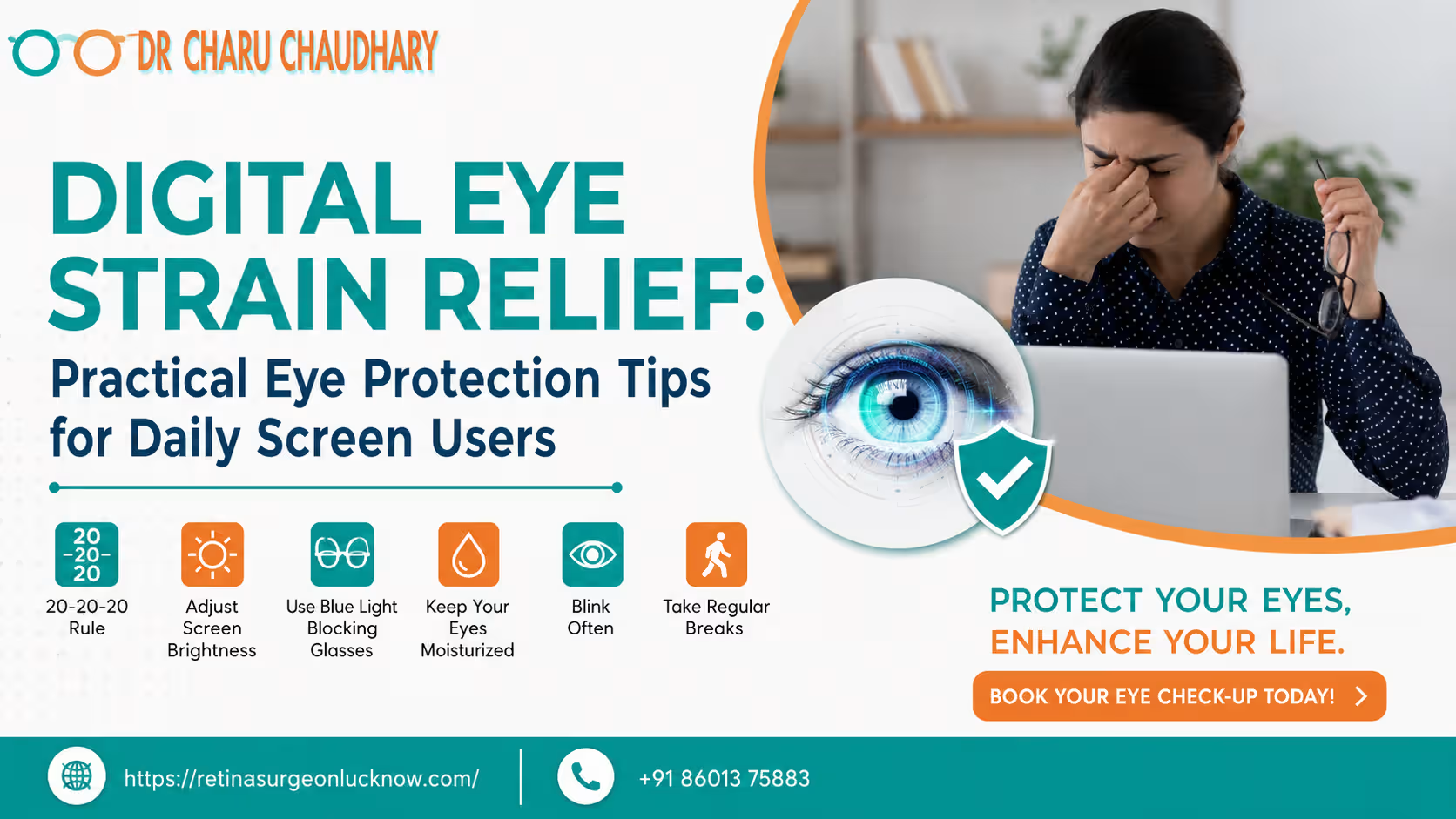
In the modern era, our lives are intrinsically linked to digital displays. From the moment we wake up to the minute we go to bed, we move from smartphones to laptop screens, tablets, and televisions. While this digital revolution has brought immense convenience and connectivity, it has also introduced a significant challenge for our ocular health: eye strain from screens. Whether you are a software professional in Lucknow, a student attending online classes, or someone who enjoys late-night scrolling, your eyes are likely working harder than they ever have before. At the clinic of Dr. Charu Chaudhary, a trusted eye specialist in Lucknow, we have seen a dramatic rise in patients complaining of “tired eyes,” persistent headaches, and dry sensations. These aren’t just minor inconveniences; they are signs that your visual system is being pushed beyond its natural limits. Understanding how to manage this digital fatigue is essential for maintaining long-term vision health and daily productivity. Eye strain from screens can cause dry eyes, headaches, blurry vision, and fatigue due to prolonged digital exposure. Healthy screen habits, regular breaks, proper lighting, and eye care practices may help reduce digital eye strain symptoms. What Is Digital Eye Strain? Digital Eye Strain (DES), often referred to medically as Computer Vision Syndrome (CVS), is a group of eye and vision-related problems that result from prolonged computer, tablet, e-reader, and smartphone use. Unlike reading a printed page, digital screens emit light, flicker slightly, and often have glare. This requires our eye muscles to constantly adjust and refocus, leading to exhaustion. When you look at a screen, your eyes must maintain a specific level of tension to keep the image sharp. This is much like holding a heavy weight at arm’s length; eventually, the muscle begins to ache. Because digital characters are made of pixels rather than solid ink, they have less contrast and “softer” edges, making it even harder for the brain to process the image, further increasing the demand on the visual system. Common Symptoms of Eye Strain from Screens Many people experience symptoms of digital eye strain without realizing the root cause. If you spend more than two hours a day on a device, you may notice: Why Screens Affect Eye Health To protect your vision, it is vital to understand the “why” behind the strain. Several factors contribute to the discomfort we feel after hours of digital usage. 1. The Blinking Problem Under normal circumstances, humans blink about 15–20 times per minute. Blinking spreads a fresh layer of tears across the cornea, keeping it moist and clear. However, when we concentrate on a digital screen, our blink rate drops significantly. This leads to “tear film instability,” where the moisture on the eye evaporates faster than it can be replaced. 2. Blue Light Exposure Digital devices emit High-Energy Visible (HEV) light, commonly known as blue light. While the sun is the largest source of blue light, the proximity of our screens and the duration of exposure are what concern eye specialists. Blue light can scatter more easily, reducing contrast and forcing the eyes to strain to see clearly. Furthermore, exposure to blue light in the evening suppresses melatonin, the hormone responsible for sleep. 3. Glare and Reflections Light reflecting off your screen from overhead lamps or windows creates glare. This forces your eyes to work harder to distinguish the text from the background reflections. 4. Poor Ergonomics The distance and angle at which we hold our devices matter. Laptops are often placed too low, and smartphones are held too close, forcing the eyes into an unnatural inward-turning position (convergence) for long periods. 📊 Digital Eye Strain Symptoms vs. Healthy Eye Habits Understanding the relationship between your habits and your symptoms is the first step toward relief. Use the following chart to identify changes you can make today. Common Problem Possible Cause Healthy Habit Dry Eyes Reduced blinking during screen use Blink consciously and use artificial tears Headache Screen glare and high brightness Adjust brightness and use anti-glare filters Blurry Vision Long focus time at a fixed distance Follow the 20-20-20 rule Eye Fatigue Excessive screen time without rest Take regular 5–10 minute breaks Neck Pain Poor posture (slouching) Use ergonomic seating and monitor stands Note: While these habits significantly reduce discomfort, persistent issues should always be evaluated by a professional like Dr. Charu Chaudhary to rule out underlying refractive errors. Step-by-Step: How to Reduce Eye Strain from Screens Protecting your eyes doesn’t require expensive equipment; it requires consistency. Here is a practical guide to creating a vision-friendly digital environment. Step 1: Follow the 20-20-20 Rule This is the “gold standard” of digital eye care. Every 20 minutes, look at something 20 feet away for at least 20 seconds. This allows the ciliary muscles inside your eye—which are responsible for focusing—to relax. Looking into the distance is like stretching your legs after a long flight; it releases the built-up tension. Step 2: Adjust Screen Brightness and Contrast Your screen should not be a light source that competes with the room. If your screen looks like a glowing light bulb in a dark room, it’s too bright. If it looks dull or grey, it’s too dark. Aim to match the screen’s brightness to the surrounding ambient light. Also, ensure the contrast is high (black text on a white/off-white background is usually best for the eyes). Step 3: Increase Blinking Frequency Post a “Blink!” sticky note on your monitor. Whenever you see it, take three slow, full blinks. This simple act re-lubricates the eye and prevents the burning sensation associated with eye strain from screens. Step 4: Maintain Proper Viewing Distance For desktop and laptop users, the screen should be about an arm’s length (20–28 inches) away from your face. The center of the screen should be about 10–15 degrees below eye level. This positioning reduces the amount of the eyeball exposed to the air, which helps minimize evaporation of the tear film. Step 5: Use Artificial Tears if Recommended If you live in a dry climate (like parts of Uttar Pradesh during summer)